
Anti-Snap Cylinders: Are Your Locks at Risk?
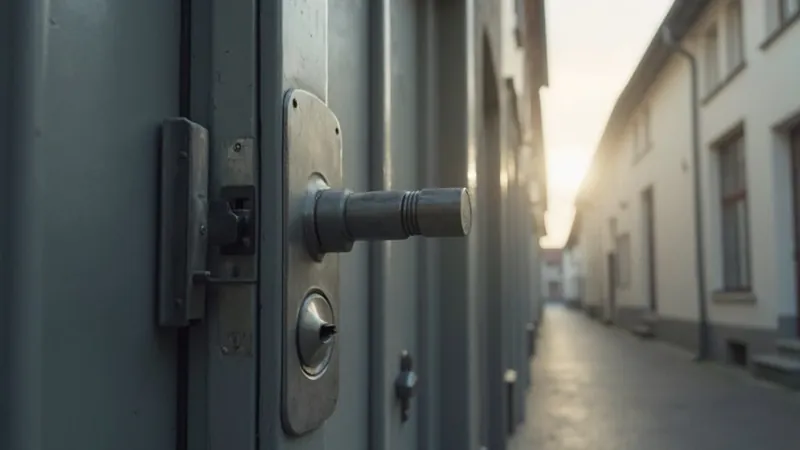
Snap attacks are a real threat to flat doors across Germany. A burglar inserts a tool into your cylinder lock, applies pressure, and breaks the lock at its weakest point—often without making much noise. If your lock is an older model or a cheap replacement, you're at risk. This guide explains how snap attacks work, which locks are vulnerable, and what you can do to protect yourself.
Whether you're renting (and need your Vermieter's permission) or own your home, understanding cylinder security is essential. We'll walk you through the signs of vulnerability and how a certified local locksmith can help you upgrade to snap-resistant protection.
How Snap Attacks Work and Why Older Locks Fail
A snap attack exploits a mechanical weakness in the cylinder itself. The burglar uses a specially designed tool or even a screwdriver to apply leverage and shearing force to the lock barrel. If the cylinder isn't reinforced, it fractures at the narrowest point—often where the plug meets the bible (the housing). Once broken, the lock is open in seconds, and there's no obvious damage from the outside.
German homes, especially older flats in cities like Berlin, Munich, and Hamburg, often have locks installed decades ago. These locks typically have no anti-snap technology. Even modern budget locks installed during renovations may lack proper protection. The problem is especially common if your flat has a simple pin-tumbler cylinder without any anti-snap collar or hardened steel insert.
- Pin-tumbler cylinders with no reinforcement – the most vulnerable design
- Locks installed before 2010 – rarely had snap-resistant certification
- Cheap replacement locks – often installed by previous tenants or landlords to save money
- Cylinders without a hardened steel anti-snap collar – easy to shear apart
Recognising If Your Lock Is at Risk
You don't need to be a locksmith to spot a vulnerable lock. There are several visible clues. Look at your front door cylinder—the part that sticks out slightly from the door. If it's smooth, small, and unmarked with any security symbols or certification, it's likely unprotected. Try searching for the brand and model online; if you find no mention of 'anti-snap', 'TS007', or similar certification, you're probably dealing with a weak lock.
In Germany, certified anti-snap locks often carry marks like the TS007 three-star rating, or are certified to DIN standards for enhanced security. If your cylinder is flush with the door or protrudes only minimally, that's actually a sign of a more modern design—but not always a guarantee of snap resistance. The best way to be sure is to ask a certified local locksmith to inspect your door. During a security audit, they'll tell you honestly whether your lock meets current standards.
Another risk factor: if your flat is on the ground floor, easily accessible from a street or courtyard, your door is a more attractive target. Burglars know that flats in older buildings with original locks are quick work.
- Look for certification marks (TS007, DIN 18252) on the cylinder itself
- Check the manufacturer and model number online for security ratings
- Ask yourself: was this lock installed more than 10–15 years ago?
- Note whether your door is easily visible or accessible from outside
Upgrading to Snap-Resistant Cylinders
If your lock is vulnerable, upgrading is straightforward. A certified local locksmith can replace your cylinder with an anti-snap model in under an hour. The good news: you don't usually need to replace the entire door lock mechanism, just the cylinder itself. This is much cheaper and faster than a full door renovation.
Anti-snap cylinders use several technologies to defeat shear attacks. Many have a hardened steel ball or insert that prevents the lock from fracturing at the weak point. Others use a specially shaped plug that disperses force differently. The best models combine snap resistance with other features: bump-resistant pins, picking resistance, and security bars that reinforce the lock body.
In Germany, if you're renting, you'll need to check your Mietvertrag (tenancy agreement) and ask your Vermieter's permission before upgrading locks. Most landlords are reasonable about this—improved security benefits everyone—and you can usually keep the original lock to reinstall when you move out. If you own your flat, you can upgrade whenever you choose.
Your home insurance (Hausratversicherung) may also have requirements. Some policies offer better premiums or won't cover burglary losses if your lock doesn't meet a minimum standard. It's worth checking your policy terms; if it mentions DIN standards or specific security ratings, your insurer is telling you what level of protection they expect. A certified locksmith can advise which upgrades satisfy both security and insurance needs.
- Snap-resistant cylinders with hardened steel inserts or ball bearings
- TS007 three-star rated locks – the current gold standard in the UK and increasingly used in Germany
- DIN 18252 certified models – meet German safety standards
- Bump and pick-resistant designs – extra protection against other attack methods
- Quick installation – often just the cylinder swap, not the whole lock
Additional Security Measures Beyond the Cylinder
Upgrading your cylinder is the foundation, but a complete security strategy includes other layers. A certified locksmith can advise on door reinforcement, security hinges, and deadbolts that work together with your new cylinder. In many German flats, the door frame itself is weak; a smart burglar can push through the frame without even attacking the lock. Reinforcement plates and striker plate upgrades distribute force across a wider area and make brute-force entry much harder.
Consider also the small details: a door viewer (Türspion) with a wide angle, so you can see who's outside. A chain or bar lock (Türkette or Türriegel) that lets you open the door slightly for conversation without full access. Motion-activated lighting outside your door (if you have a balcony or entrance) deters loopers. And if you have a gas heating system (Gas-Therme), make sure that and your water shut-off valve are easily accessible in an emergency, but not advertised to strangers.
Smart locks and keyless entry are tempting, but they don't replace a good mechanical cylinder. If the power fails or someone attacks the electronics, you need a solid traditional lock to fall back on. Use smart locks as an addition, not a substitute.
- Door reinforcement plates to strengthen the frame against forcing
- Security hinges on the side the hinge opens toward the outside
- A quality deadbolt that complements your anti-snap cylinder
- Good exterior lighting and a clear door viewer
- Keep a spare key with a trusted friend, not hidden outside
Getting Professional Help and Next Steps
If you've read this guide and are now worried about your lock, that's normal—and it's exactly why professional locksmiths exist. A certified local locksmith in your city can visit your flat, inspect your current lock, test it for snap resistance, and recommend the right upgrade for your door, your tenancy situation, and your budget. They'll explain the options clearly, show you the new lock before installation, and provide a written order form on site that details the work and cost transparently.
Our English-speaking hotline connects you with trusted, certified locksmiths across Germany who understand the needs of expats, students, and international residents. They speak English, know the local rental laws (including how to handle your Vermieter), and can often visit the same day for urgent repairs or security assessments. Whether you need a same-day snap-resistant cylinder upgrade, advice on your rental agreement, or a full door security audit, the hotline is your quickest path to peace of mind.
Don't wait for a break-in to test your lock. Contact us today for a professional assessment and get your doors protected with the latest anti-snap technology.
Frequently asked
What is a snap attack and how fast can it happen?
A snap attack uses leverage and shearing force applied to your cylinder lock to break it at its weakest point. On an unprotected lock, the entire attack can take 10–30 seconds, with minimal noise or visible damage.
If I'm renting, can I upgrade my lock without my Vermieter's permission?
In most cases, no. Your Mietvertrag (tenancy agreement) requires you to ask your landlord's permission before making changes to locks. Most landlords agree to anti-snap upgrades because they improve security for the building; you can usually keep the original lock and reinstall it when you move out.
What does TS007 certification mean, and is it available in Germany?
TS007 is a British standard for snap-resistant locks, rated in three levels (one to three stars). Germany uses DIN 18252 as the main standard, which includes anti-snap requirements. Both standards offer equivalent protection; your locksmith can advise which is best for your door.
Will my home insurance cover a burglary if my lock isn't anti-snap?
Many Hausratversicherung (household contents insurance) policies in Germany have minimum security requirements. Check your policy documents; if they mention DIN standards or specific lock ratings and your current lock doesn't meet them, you might not be fully covered. A locksmith can help you understand what your insurer expects.
How much does it cost to upgrade a cylinder to anti-snap?
We don't quote prices online, but a certified locksmith will provide a written cost estimate on site, showing the cylinder cost and labour separately. The lock itself is usually modest; most of the expense is the technician's time and expertise. Call our English-speaking hotline for a same-day quote in your city.
Can I install an anti-snap cylinder myself, or do I need a locksmith?
You can replace a cylinder yourself if you're confident with tools, but a certified locksmith ensures it's installed correctly, tested for security, and properly aligned with your door frame. They'll also advise on any additional reinforcement your door needs.