
The Door Slammed Shut Behind You (Schnappschloss): What Now?
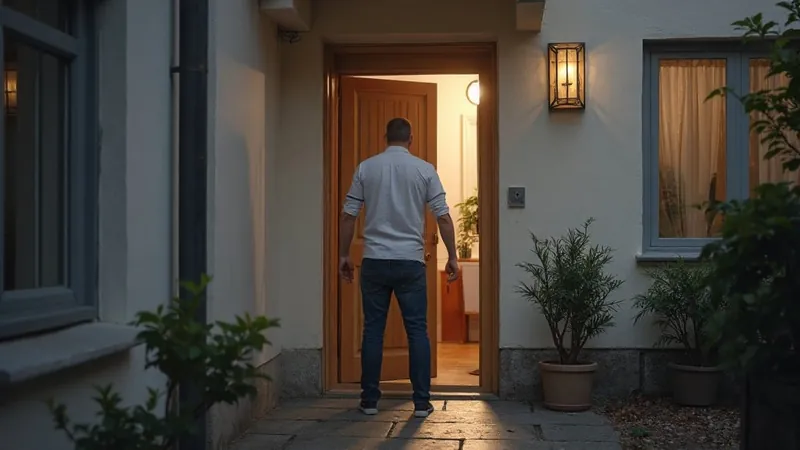
You've stepped outside to grab the post, and the door swings shut behind you—only to hear that unmistakable click. Your key is still inside. Your phone is inside. You're locked out, and it's raining. This is a Schnappschloss (spring latch) lockout, one of the most common emergencies expats face in Germany, and the good news is that it's solvable within the hour.
A spring latch is the basic lock fitted to most rental apartments and some house doors in Germany. It locks automatically when the door closes, but it has a critical weakness: unlike a deadbolt, it can sometimes be opened without a key if you act quickly and know what to do. If you can't open it yourself, a certified local locksmith can help you back in without damaging the door.
Can You Open It Yourself?
Before you call anyone, you have a small window of opportunity. A Schnappschloss can sometimes be opened from outside if the latch hasn't fully engaged or if there's enough space to manipulate it. Here's what to try:
- Check if the door is really locked. Push gently; sometimes it's just pulled closed, not latched.
- Look for a gap between the door and frame. If there's visible space, you might be able to slip a thin, flexible card (old ID card, library card, not your current ID) between the frame and latch to push it back.
- Work slowly and gently. Forcing it can damage the frame or lock, and your landlord (Vermieter) or building manager (Hausmeister) will expect you to pay for repairs.
- Have you been inside long enough? If you've lived there only a few days, the Hausmeister or Vermieter might have a spare key and be your fastest option.
- Don't use sharp objects. Screwdrivers and knives can splinter the frame and will almost certainly cost you a deposit contribution.
If none of this works after a few calm minutes, stop and call for professional help. Forced attempts risk damage and won't save you money in the long run.
When to Call a Locksmith
If self-help hasn't worked, or if you're unsure and prefer not to risk damaging the door, it's time to call. A certified locksmith can open a Schnappschloss quickly and professionally, usually without damage to the lock or frame.
- Time of day matters. Lockouts during normal business hours (roughly 08:00–17:00) are faster and usually less costly than evening or weekend callouts. If it's 3 a.m., yes, you'll pay a surcharge, but the service is available.
- Have your address and building access details ready. Tell the locksmith whether the door has a buzzer, if you're on the ground floor, and whether the building entrance is locked (most are). This helps them arrive prepared.
- Ask for an English-speaking technician if that makes you more comfortable. Many certified locksmiths in German cities speak English, especially those used to working with expats.
- The locksmith will explain the cost on a written order form on site, after assessing the lock and difficulty. Prices vary by region and time of day; never agree to work without seeing this form first.
- Ask for a receipt. Keep it for your records and for insurance purposes (see below).
A certified locksmith (a Schlüsseldienst with proper credentials) can open a standard Schnappschloss in 10–30 minutes, depending on the lock design and building access.
What About Your Insurance and Landlord?
In many cases, lockout costs are covered by your household insurance (Hausratversicherung), especially if the lockout was not your fault—for example, if the lock malfunctioned or a guest locked you out. Check your policy documents or contact your insurer.
- Notify your landlord promptly, particularly if the lock has a fault or if the Hausmeister should have had a spare key available. Document when you called and what you did.
- Send the receipt to your insurer within the timeframe they specify. Some require notification within 48 hours; others are more flexible. Check your policy.
- If this is the second lockout in months, the lock itself may be faulty. Ask your Vermieter to have the Hausmeister inspect it. In most cases, the landlord is responsible for lock repairs or replacements.
- Keep a spare key with a trusted friend or colleague nearby if possible. This is a cheap form of insurance and can save you an emergency call next time.
- Some tenancy contracts specify who pays for lockout callouts. Review your Mietvertrag (tenancy agreement); in many cases, accidental lockouts are the tenant's responsibility, but damage caused by careless locksmith work is the locksmith's liability.
The key point: a legitimate locksmith service and a receipt will protect you if a dispute arises later.
Preventing Future Lockouts
A Schnappschloss lockout is stressful, but it's preventable. Here are practical steps that work in the German rental context:
- Always test the door before you close it fully. A quick pull from outside shows whether the latch has engaged. Make it a habit.
- Ask your Hausmeister for a spare key in a secure lockbox or leave one with a neighbour you trust. This is standard practice and costs nothing.
- Use a door wedge or stopper if you're going out briefly (collecting post, moving your car for a few minutes). This is especially useful in bad weather when you're in a hurry.
- Install a keypad or smart lock if your lease allows it. Some expats in Germany fit a secondary keypad lock above or beside the main lock. Always ask permission from your Vermieter first, and plan to remove it when you move out.
- Carry a key copy in your bag, jacket, or car, separate from your main keyring. If your main key is ever lost or stolen, the copy ensures you're not locked out while waiting for a replacement.
- If you're renting a furnished flat, check whether the landlord has already documented spare keys. Some do; some expect you to arrange your own.
Most German rental lockouts happen because of distraction or habit—rushing out and forgetting to check the latch. Slowing down for three seconds can save you hours of frustration and expense.
You're Locked Out Right Now: What to Do Next
If you're locked outside your apartment in Germany and need help urgently, don't waste more time trying DIY solutions. A certified local locksmith can have you back inside faster than you think, and our English-speaking hotline can connect you to a trusted professional in your area within minutes.
Call the hotline, give them your address and a brief description of what happened, and they'll dispatch a locksmith who can handle a Schnappschloss lockout professionally. They'll explain the cost upfront on a written order form before they start work, and you'll have a receipt for your insurance or records. Most callouts take less than an hour from your first call.
Stay calm, stay safe, and get back inside your home as quickly as possible. That's what the service is here for.
Frequently asked
Is it cheaper to call the Hausmeister than a locksmith?
Often yes, if your Hausmeister has a spare key and is available. Ask them first; if they can't help or charge a fee, then call a locksmith. Some building managers include spare key holds in their duties; others do not.
Can a locksmith open a Schnappschloss without damaging it?
Yes. A certified locksmith has tools and techniques specifically for opening spring latches without damage. This is one of the quickest and safest lockout services to perform, so minimal risk to your door or frame.
What if I'm locked out at midnight on a Sunday?
Locksmiths work 24/7 in Germany, including nights, weekends, and public holidays. You'll pay a higher callout fee outside standard hours, but the service is available. The exact surcharge depends on the locksmith and region.
My landlord says I'm liable for the lockout cost. Is that right?
It depends on your Mietvertrag and the reason for the lockout. Self-inflicted lockouts are often the tenant's cost; lock faults or malfunctions are usually the landlord's. Check your lease and, if unsure, ask your insurer.
Can I claim the locksmith fee on my Hausratversicherung?
In many cases, yes, especially if the lockout wasn't entirely your fault. Contact your insurer with your receipt and explain the situation; they'll confirm coverage. Some policies cover accidental lockouts; others do not.
What should I ask the locksmith to avoid overpaying?
Ask them to provide a written cost estimate before they start work, request a receipt when done, and confirm they're a certified locksmith (Handwerkskammer-registered). Never agree to hourly rates or open-ended costs; the final price should be clear on the order form.