
Lost All Your Keys in Germany: Your Options
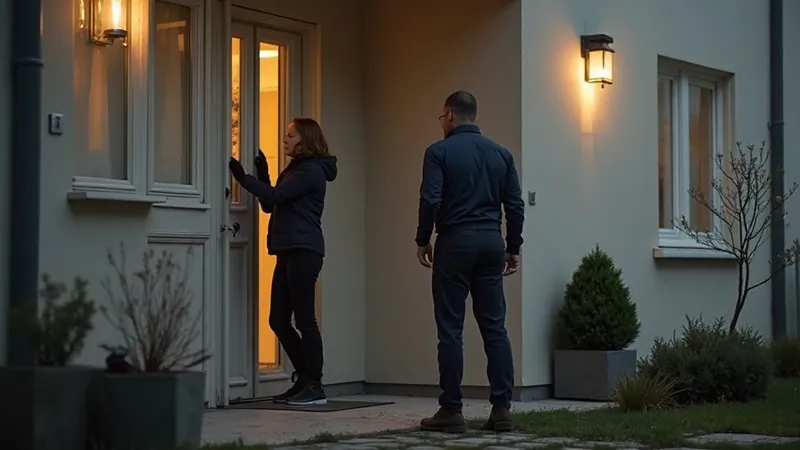
Losing every set of your keys is stressful anywhere, but when you're an expat or international student in Germany, it can feel overwhelming. You may not know whether to contact your landlord, a locksmith, or your insurance company—or what German law actually requires. The good news: you have clear options, and help is available in English.
This guide walks you through what to do immediately, who to contact, and how to prevent it happening again. Whether you're locked out of your flat, your office, or both, a certified local locksmith can usually get you back inside within hours.
Immediate steps: the first hour
Stay calm and take a moment to think clearly. Before you panic-call anyone, check whether you've genuinely lost all keys or whether one might be at a friend's place, at work, or with a colleague who has a spare.
- Check everywhere: your bag pockets, your flat's hallway, your workplace, your car if you have one, anywhere you've been in the last 24 hours.
- Ask people who have spares: a friend, partner, or family member back home. Even if they can't get to you today, they might mail a key.
- Contact your landlord (Vermieter): many rental contracts give the landlord a master key. They may let you in, though German law doesn't strictly oblige them to do so for lost keys. Call immediately—don't wait.
- Call your building manager (Hausmeister): if your building has one, they often hold spare keys and can access your flat same-day.
If none of those work, you need a locksmith. Call our English-speaking hotline and explain the situation. A certified locksmith can open your door without damaging the lock in most cases.
What a locksmith will do and what it costs
When you call, a certified local locksmith will ask questions about your lock type and access difficulty. They'll usually arrive within 1–2 hours in urban areas. You don't pay until they've finished and written up an order form (Auftragsformular) on site, which shows exactly what they did and the cost breakdown.
- Standard entry: Most European cylinder locks and simple catches can be opened non-destructively. The locksmith uses specialist tools and know-how.
- What you'll see on the invoice: call-out fee, time spent, lock mechanism type, any replacement parts if the lock was damaged. The locksmith explains everything before they charge you.
- Payment methods: most locksmiths accept cash and bank transfer (Überweisung). Ask when you call.
- Why you need the written form: if your landlord or insurance company asks, you have proof of the legitimate expense and what was done.
Our referral service connects you with locksmiths who speak or work with English-speaking customers—no language barrier.
Your landlord and your tenancy rights
In Germany, your rental contract (Mietvertrag) is sacred. Most contracts require you to look after the keys and locks as part of normal maintenance. Losing all your keys is your responsibility, not your landlord's—but it's still worth asking them first, because they may have spares or allow you to enter while you arrange the locksmith.
- Tell your landlord immediately: a brief call or WhatsApp message. Many landlords prefer to know than to discover you've called a locksmith without telling them.
- Who pays for the locksmith? You do, almost always. This is wear and tear or loss caused by you, not a building defect. However, if the loss was due to a break-in or theft, keep your police report (Anzeige)—your insurance may cover it.
- Key replacement cost: if the locksmith has to change the lock because it's damaged, your landlord will expect you to pay for the new cylinder and any master-key updates needed for the building system.
- Document everything: keep the locksmith's invoice and any messages with your landlord. This protects both of you.
Checking your insurance coverage
Your household insurance (Hausratversicherung) or liability insurance (Haftpflicht) might cover locksmith costs in certain situations—but only under specific conditions. Read your policy or call your insurance company the same day.
- When insurance may help: if you lost the keys due to theft or a break-in, or in a few cases if there was accidental damage. Many policies explicitly exclude "lost keys" as a standard exclusion.
- What you need to claim: a police report if there was theft, and the locksmith's invoice showing the work done.
- What to avoid: don't exaggerate the circumstances. Insurance fraud is taken seriously in Germany.
- Ask your agent: phone your insurance company and describe exactly what happened. They'll tell you in minutes whether you're covered.
Even if your insurance won't pay, paying the locksmith out of pocket is usually far cheaper than the alternatives—like damaging your own door trying to force entry, or losing a day's work.
Preventing this from happening again
Once you're back inside, take steps to make sure you don't go through this again. A few simple habits save enormous stress.
- Keep spares in safe places: give a set to a trusted friend or family member, keep one in a secure place at work, or use a certified keysafe box (though most landlords won't let you drill one into their wall without permission—ask first).
- Digital track of your keys: take photos of your keys from different angles and store them securely. This helps a locksmith if you need to prove you own the flat.
- Inform your landlord of spares: some landlords insist on knowing where spare keys are held, especially for security. A quick message to your Vermieter avoids disputes later.
- Make copies at a good hardware shop (Baumarkt or Schlüsseldienst): don't delay—do it within a week. Cheap copies sometimes jam; go to a professional.
- Key-finding apps and trackers: consider a Bluetooth key finder (like AirTag or Tile). They won't help if you've already lost them, but they'll help you find them if you misplace them in future.
If you're in an urgent situation right now, our English-speaking hotline is here to connect you with a certified local locksmith who can get you back into your flat today. Call now and describe what's happened—the sooner you call, the sooner you'll be back inside.
Frequently asked
Can I claim on my insurance if I've lost all my keys?
It depends on your specific policy. Most household (Hausrat) and liability (Haftpflicht) insurance exclude lost keys as standard. However, if the keys were stolen as part of a break-in or theft, you may be covered if you have a police report. Contact your insurer the same day with the exact circumstances.
Is my landlord legally required to let me in if I've lost my keys?
No, German law does not require your landlord to provide access if you've lost your keys. However, many landlords will help as a goodwill gesture. Always ask your Vermieter first before calling a locksmith. If they can't help, a certified locksmith can open the door in most cases without damaging it.
How quickly can a locksmith arrive?
In most German cities, a certified locksmith will arrive within 1–2 hours of your call during business hours. In emergencies or remote areas, it may take longer. When you call, mention your location and how urgent it is—the hotline will connect you with the nearest available professional.
Will the locksmith damage my door or lock?
Certified locksmiths are trained to open locks non-destructively using specialist tools. In most cases, your door and lock remain undamaged. Only if the lock is very old, broken, or security-reinforced might they need to replace the cylinder, which your landlord would usually require you to pay for.
Who pays for the locksmith when you've lost your keys?
You do. Lost keys are your responsibility under the terms of your rental contract (Mietvertrag). The locksmith's cost is your expense, though you can try to claim it on insurance if the keys were stolen or lost in a break-in. Keep the invoice for your records.
What should I do with the locksmith's invoice?
Keep it for your records and provide a copy to your landlord if they ask. The invoice proves you used a legitimate, certified locksmith and what was actually done. If you claim on insurance, you'll need this invoice as proof of the expense.