
Locked Out of Your Apartment in Germany: First Steps
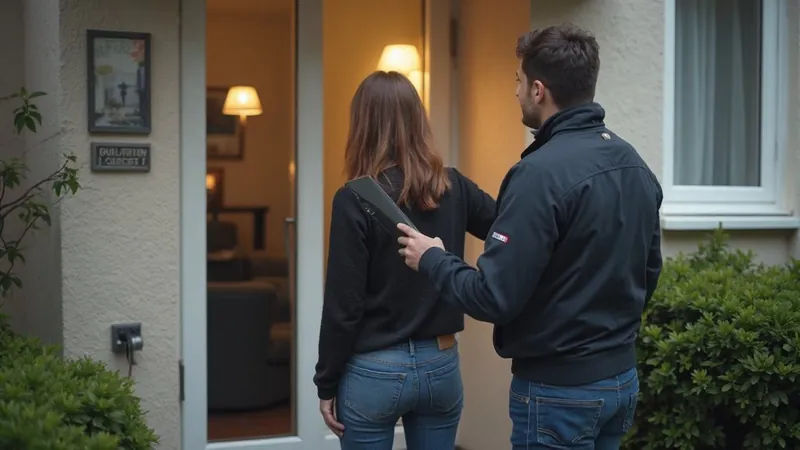
Being locked out of your apartment in Germany is stressful, but you're not alone—it happens to thousands of residents every year, and there are clear, practical steps to take right now. Whether you've lost your keys, the lock has jammed, or you're simply locked in by mistake, knowing who to call and what to expect will get you back inside safely and without unnecessary expense.
This guide walks you through the immediate actions to take, who you should contact first, and how to work with a certified locksmith in Germany—all explained in straightforward English for international residents who may not speak German or know the local system.
Stay calm and assess your situation
Your first instinct might be panic, but take a moment to think clearly. Ask yourself: do you have a spare key with a trusted friend, family member, or colleague nearby? Can you reach your landlord (Vermieter) or building manager (Hausmeister) quickly? In many German apartment blocks, the Hausmeister holds a master key and may be able to let you in within minutes—especially if it's during daytime hours on a weekday.
If you live in a flat within a larger building, check whether the main entrance is unlocked. You may be able to buzz a neighbour or wait for someone to let you in. This costs nothing and is always worth trying first.
- Check for a spare key you may have left elsewhere
- Call your landlord or building manager—they often have legal access
- Wait for a neighbour to enter if the building is secure but your flat is locked
- Only then consider calling a locksmith
Contact your landlord or Hausmeister
In Germany, your landlord or the building's Hausmeister is often your first and fastest option. They are legally permitted to access the building and your apartment in emergencies, and many keep keys on site. If you have their number, call immediately and explain you're locked out. Many will respond within 30 minutes to an hour during business hours.
Keep in mind that if you rent your flat (rather than own it), your Mietvertrag (rental agreement) usually allows the landlord emergency access for safety reasons. Make sure you have their contact details saved in your phone before you ever need them—this is one of the most practical steps an expat can take when moving into German accommodation.
If it's evening, weekend, or a public holiday (Feiertag), the Hausmeister may not be available, but try anyway. Many leave contact details on the building's notice board or in the entrance hall.
Document the situation and check your insurance
Before you call a locksmith, take a photo of yourself at your locked door and note the time and date. This creates a record of the emergency, which can be useful if you need to claim the cost back through your renter's or homeowner's insurance (Hausratversicherung or Haftpflicht). In many cases, a lockout caused by lost keys is covered, but you'll need to check your policy or contact your insurer to be sure.
German insurance companies often require a written report from the locksmith (a formal Einsatzbericht or invoice) to process a claim. The locksmith will provide this on site, so ask for it and keep it safe. Don't assume you'll pay out of pocket—it's often worth the phone call to your insurer first.
- Take a photo with timestamp for insurance purposes
- Check your Hausratversicherung or Haftpflicht policy
- Ask the locksmith for a detailed written invoice and incident report
- Keep all documentation for your insurance claim
How to find and work with a certified locksmith
If your landlord, Hausmeister, and neighbours can't help, it's time to call a certified locksmith (Schlüsseldienst). In Germany, this is a regulated trade, and you want someone who is properly qualified and insured. When you call, always explain that you're locked out of your own apartment—locksmiths handle this professionally and will ask for proof of residency (your ID and a contract or utility bill with your name and address).
A certified locksmith will arrive with the right tools and training to open your door without damaging the lock, if possible. They may try non-destructive methods first (picking or bumping), which is faster and cheaper for you. If the lock is broken or cannot be opened safely, they will advise you on the best solution and explain costs clearly on a written order form before they proceed.
Be aware that emergency lockout calls, especially outside business hours (evenings, weekends, or holidays), come with a higher charge for the callout itself. This is standard across Germany. The locksmith will explain the total cost before starting work, and you'll receive an itemized invoice.
- Always ask for proof of certification and ID
- Have your residency document (ID + rental agreement or utility bill) ready
- Request a written cost estimate before work begins
- Ask about non-destructive methods first
- Keep your invoice for insurance or future reference
Prevent future lockouts and get help now
Once you're back inside, take steps to avoid this situation again. Consider giving a spare key to a trusted friend or family member, or ask your landlord if they can keep a copy in a secure location. Some expats invest in a small safe with a numerical code for their spare key, or use a coded keybox on the door frame—ask your landlord's permission first, as this may affect your rental agreement.
If you're locked out right now and your landlord isn't available, our English-speaking hotline can connect you with a certified local locksmith in your area immediately. They understand the urgency, speak English, and can have you back inside without the stress of language barriers or uncertainty about pricing. Call now for fast, reliable help.
Frequently asked
Who pays for the locksmith if I'm locked out?
In most cases, you pay the locksmith directly on the day. However, many renter's or homeowner's insurance policies cover lockout costs. Check your Hausratversicherung or Haftpflicht terms, and keep the locksmith's invoice to claim it back. If your landlord or Hausmeister let you in at no cost, there's nothing to claim.
Can my landlord refuse to let me in if I'm locked out?
No. In Germany, landlords have a legal duty to provide access to your apartment in genuine emergencies. However, you should show ID and proof of residency, and the landlord or Hausmeister may request a small fee if you call them outside normal hours. During business hours, access is usually free.
How long does it take a locksmith to arrive?
Response times vary by location and time of day. In urban areas like Berlin or Munich, a locksmith may arrive within 15–30 minutes during daytime. After 6 p.m. or on weekends, expect 30–60 minutes. Always ask for an estimated arrival time when you call.
Will the locksmith damage my door or lock?
A certified locksmith will try non-destructive methods first (like picking or bumping the lock). If the lock is broken, they'll advise you on repair or replacement and explain the cost. Damage is usually minimal and covered by insurance if documented properly.
What documents should I have ready for the locksmith?
Have your ID (passport or residence permit), your rental agreement or a recent utility bill with your name and address, and if possible, the building address and your flat number. These prove you live there and prevent unnecessary delays.
Are there cheaper alternatives to calling a locksmith?
Yes—always try your landlord, Hausmeister, or a trusted neighbour first; they often have keys and can help for free. If you're insured and the cost will be claimed back, the price matters less. Always get a written estimate before the locksmith starts work.