
How to Avoid Locksmith Scams in Germany
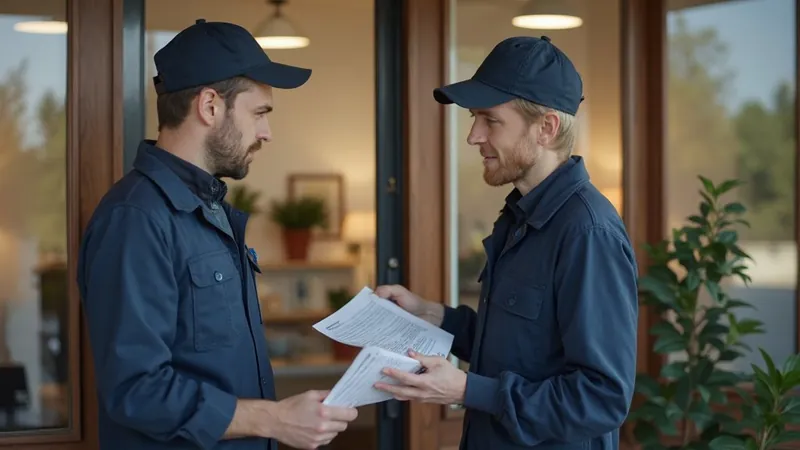
Locksmith scams in Germany are real, and they're particularly risky for expats and international residents unfamiliar with local business practices and the German language. Scammers may pose as legitimate locksmiths, charge inflated emergency fees, use aggressive sales tactics, or turn up with unnecessary tools and inflated invoices. Knowing how to spot red flags and check credentials before you're locked out will save you money, stress, and time.
This guide walks you through practical steps to verify a locksmith's legitimacy, what to watch for during a job, and how to protect yourself if something feels wrong. The goal is simple: connect you with trustworthy, certified professionals, not drain your wallet.
Verify Credentials Before You Call
The safest way to avoid a scam is to research before you're in a panic. Ask your landlord (Vermieter), neighbors, or colleagues for recommendations of locksmiths they've used. Check online reviews on German platforms like Google Maps, Yelp, and trusted local forums for expats.
When you've found a prospect, ask to see proof of certification. In Germany, legitimate locksmiths often hold credentials from recognized associations such as the Bundesverband Schlosser Sicherheit (locksmith association) or similar regional bodies. A certified locksmith should be happy to provide membership details or point you to their registration. If they refuse or become evasive, move on.
- Check if the business has a registered address and phone number that you can independently verify.
- Look for a website with contact details, business hours, and a clear service area.
- Ask if they carry liability insurance—this is standard for professional locksmiths in Germany.
- Verify they operate as a registered business (Gewerbebetrieb) with a tax ID (Steuernummer), not a casual cash-only operator.
Spot Red Flags During a Call or Visit
Scammers often rely on urgency and panic. When you call a locksmith in an emergency, stay calm and listen carefully for warning signs that suggest the person on the other end is not trustworthy.
- Vague or inflated pricing: A legitimate locksmith will ask specific questions about your lock, location, and situation, then give you a rough estimate or confirm they'll provide a written quote on site. If someone quotes a very high figure over the phone without details, or promises "unbeatable prices," be skeptical.
- Unwillingness to provide a name or business ID: Every technician should introduce themselves, provide a company name, and have identification when they arrive.
- Pressure to pay in cash upfront before work begins. Professional locksmiths usually collect payment after the job, sometimes with a signed invoice that itemizes the work.
- Arriving in an unmarked van or with no uniform/ID badge: Certified locksmiths typically use vehicles with clear branding and arrive in proper work attire.
- Suggesting unnecessary replacements or repairs. If you're locked out, the job should be to open the door or lock—not to replace the entire mechanism.
If any of these applies, thank the person, end the call, and phone another locksmith. Trust your instinct.
Understand the Invoice and What You're Paying For
Before any work starts, a legitimate locksmith will explain what they're going to do and why. This is especially important if they recommend additional work—such as replacing a lock or rekeying—after they've examined the damage.
A proper invoice in Germany should include a clear breakdown: labor time, parts, call-out or travel fees, and any hourly rates or flat fees for specific tasks. The total should match what was discussed before work began. Many locksmiths in Germany are required by law to issue a written quote (Kostenvoranschlag) for jobs, so don't accept vague handwritten notes or "estimates" that change once the job is done.
- Ask the locksmith to itemize the invoice before you sign it. If you don't understand something, ask.
- Check that the company name and address on the invoice match what you were given when you booked.
- Keep the invoice for your records and for potential insurance claims (relevant if you have household insurance, Hausratversicherung, that covers lock damage).
- If the final bill is significantly higher than the verbal estimate, ask why and request a detailed explanation.
Never sign a blank invoice or one with obvious errors. If something seems wrong, you have the right to refuse to sign and ask for a corrected version.
What to Do If You Suspect a Scam
If a locksmith has overcharged you, performed unnecessary work, or behaved unprofessionally, you have options. Document everything: keep the invoice, take photos of the lock before and after work, note the date, time, and company name, and write down exactly what happened.
- Contact the company directly: Call the business number and calmly explain your concern. Many legitimate locksmiths will correct a genuine mistake or misunderstanding.
- Report to local authorities: If you believe you've been scammed, file a complaint with the local police (Polizei) and the consumer protection agency in your state (Verbraucherschutz). In Berlin, for example, this is the Senatsverwaltung für Verbraucherschutz.
- Dispute with your bank: If you paid by card or bank transfer, contact your bank to dispute the charge.
- Check your insurance: Some household insurance policies in Germany cover locksmith costs for emergencies. Review your Hausratversicherung or Haftpflichtversicherung to see if you can claim the cost back.
Prevention is always easier than remedy, so choosing a certified, recommended locksmith from the start is your best defense.
Get Help Safely: Use a Trusted Referral Service
The easiest way to avoid scams entirely is to use a locksmith referral service that vets its partners for you. At Locksmith 24, our English-speaking hotline connects you directly with certified local locksmiths who operate transparently and follow German professional standards. We handle the verification so you don't have to worry in the moment.
When you contact us, you'll speak to someone who understands your situation as an expat or international resident and can explain what to expect. We refer only to locksmiths with proven credentials and professional standing. If you're locked out, need a lock replaced, or have a security concern, we'll match you with a reliable technician who will explain the job, show ID, and provide a clear invoice.
If you're facing a lockout or need urgent locksmith help in Germany, don't guess and risk a scam. Call our hotline for a safe, straightforward referral to a certified locksmith near you.
Frequently asked
How much should a locksmith call-out cost in Germany?
There is no fixed price—costs vary by region, time of day, lock type, and work complexity. A legitimate locksmith will discuss the likely cost range before attending and provide a written quote on site. Never trust a locksmith who quotes a suspiciously low or sky-high price over the phone without details.
Can I claim locksmith costs back on my insurance in Germany?
In many cases, yes, but it depends on your household insurance (Hausratversicherung) or liability insurance (Haftpflichtversicherung). Check your policy documents or call your insurance provider. Keep your locksmith invoice to submit with any claim.
What should I do if a locksmith wants to replace my entire lock when I just need it opened?
Ask why replacement is necessary. If the lock is simply jammed or you're locked out but the mechanism is undamaged, opening the door or lock should be the only work needed. Get a second opinion from another locksmith if you're unsure.
Is it safe to pay a locksmith in cash?
Legitimate locksmiths will accept cash, but they should still provide a detailed written invoice. Always ask for a receipt and itemized invoice before paying, whether in cash or by card. This protects you if there's a dispute later.
What if a locksmith arrives and I don't recognize the company name from my booking?
Stop and call the company you originally contacted to verify. It's possible there was a miscommunication, but it's also a common scam tactic. Ask for ID and confirmation of the booking before letting them work on your door.
How can I verify a locksmith's credentials in Germany?
Ask to see proof of membership in a recognized locksmith association, liability insurance, and a registered business ID. You can also call your local chamber of commerce (Handwerkskammer) to check if the business is registered as a legitimate trade.