
Burglary, Insurance and the Locks You Need
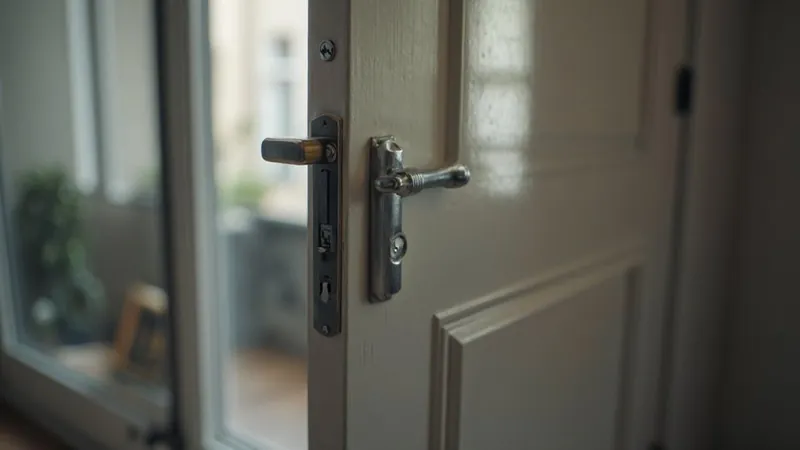
A break-in is a frightening experience, and the consequences go beyond the immediate loss. If you're renting or own a flat in Germany, your insurance claim may depend on whether your locks met the required security standard at the time of the burglary. Understanding what locks you need, how they protect your insurance cover, and what to do if the worst happens is essential peace of mind.
This guide explains the German insurance expectations, the lock types that count, and how to strengthen your property without waiting for disaster.
How German Insurance Views Burglary and Lock Security
In Germany, your household insurance (Hausratversicherung) will only cover burglary losses if you can show you took reasonable precautions. Insurance companies often define 'reasonable' by reference to DIN standards and the condition of your locks at the time of entry.
If a thief forced a lock that was broken, rusted, or did not meet the minimum DIN 18251 standard (for window and door locks), the insurer may refuse to pay out or reduce the amount. This is particularly strict for flats with an external door (Außentür) or ground-floor windows. If you rent, your Mietvertrag (tenancy agreement) will often require you to maintain locks in good condition, and your Vermieter (landlord) may pursue you for damages if a break-in happened because you neglected a faulty lock.
- Main risk: Insurers check lock certification and condition during the claims process.
- Rental responsibility: Many tenancy contracts make you liable for maintaining locks to DIN standard.
- Ground floor and accessible windows: Insurance expects higher security measures in vulnerable locations.
What Lock Standards Matter in Germany
German insurers and police recommend locks certified to DIN 18251 (for windows and exterior doors) or DIN 18252 (for internal doors). These standards test resistance to force, drilling, and picking. A certified lock is stamped or labelled with the DIN number and often a security level (1–6, with 6 being the highest).
For most residential properties, DIN 18251 certification at security level 3 or above is what insurers expect on main entry doors. Window locks should also meet DIN 18251. Older locks, vintage brass locks, or locks without a visible DIN stamp are unlikely to satisfy an insurer if tested after a break-in.
- DIN 18251: The standard for exterior doors and accessible windows.
- Security Level 3+: Minimum expected by most German insurance companies.
- Certification proof: The locksmith should provide a certificate or installation record when replacing a lock.
- Regular inspection: Have a certified locksmith check your locks every 2–3 years if you live in an area with higher break-in risk.
Practical Steps to Secure Your Flat and Protect Your Insurance
Start by asking your Vermieter or Hausmeister (building manager) whether your current locks are certified and to what standard. Request a written confirmation. If they refuse or cannot provide proof, have a certified local locksmith inspect them for free or at a minimal cost. Do not assume old locks are adequate, even if they 'look sturdy'.
If you find that your locks do not meet DIN 18251, ask your landlord in writing (per Mietvertrag, this is often their responsibility) to replace them. Keep a copy of your request. If the landlord delays, you can escalate to your local Mieterverein (tenants' association), which is common practice in Germany and protects both you and your insurance position.
For windows accessible from a balcony, street, or fire escape, install DIN-certified window locks. Ground-floor flats should have reinforced locks on all external access points. Consider additional measures like a sicherheitsschloss (security lock) with an anti-drill plate or a mortice lock with hardened steel inserts.
- Request written confirmation from your landlord of the current lock standard.
- Have a certified locksmith inspect and document your locks in writing.
- Obtain written proof of any lock replacement or upgrade for your insurance file.
- If ground floor or easily accessed, upgrade to security level 4 or 5 locks.
- Do not attempt to force locks to open them yourself; call a professional to avoid damage and maintain certification records.
What to Do If You've Had a Break-In
First, secure your safety and the property. Do not disturb the scene. Call the police (110) and report the break-in; you will receive a police report number (Anzeigenummer), which your insurance will require. Take photos of forced locks, damaged frames, and any entry points before touching anything.
Contact your household insurance (Hausratversicherung) immediately and provide the police report number. Be honest about the condition of your locks before the break-in. If you have maintenance records or a recent locksmith inspection, provide those too. The insurance company will likely send a loss adjuster (Sachverständiger) to assess the lock and determine whether it met the DIN standard.
If your claim is rejected or reduced because of lock condition, you can ask for a written explanation and dispute it with the help of a lawyer or your tenants' association. Keep all documentation: receipts for any lock upgrades, certificates from locksmiths, emails with your landlord, and records of any maintenance requests you made.
In the urgent aftermath of a break-in, you will need to re-secure your property fast. Our English-speaking hotline connects you with a certified local locksmith who can assess damage, replace or repair locks the same day, and provide a written report that your insurance will accept. Do not delay—the sooner your locks are replaced and documented, the stronger your insurance position.
Prevention: Simple Habits and Professional Help
Beyond locks, the insurers and German police encourage good habits: always lock your door and windows, even if you leave the flat for a few minutes. Do not leave keys visible from outside. In winter, keep curtains closed at night if you are away. These behaviours, combined with certified locks, significantly reduce your break-in risk and strengthen your insurance claim if the worst happens.
If you live in a multi-unit building, check that the main entrance door (Hauseingang) and any shared spaces (Keller, Speicher, Hausflur) have adequate locks and are well-lit. Speak to your Hausmeister or Vermieter about upgrading communal security. Many insurers offer small discounts for buildings with certified door locks on the main entrance and well-maintained lighting.
Have your locks professionally inspected at least once every 2–3 years, or immediately if you notice rust, stiffness, or any sign of tampering. A certified locksmith can test the lock's resistance, check the door frame for weakness, and advise on upgrades without any pressure to buy. If you ever lose a key or suspect someone has access to your locks, replace them straight away and notify your landlord and insurer in writing.
Frequently asked
Will my insurance cover a break-in if my locks are old but the door wasn't forced?
Not necessarily. Even if the thief picked or bypassed your old lock without force, many insurers will deny the claim if the lock did not meet DIN 18251 standard. They see an outdated lock as evidence you did not take reasonable precautions. Always check your Hausratversicherung policy and ask the insurer directly about their lock requirements.
Who is responsible for replacing locks in a rental flat in Germany?
In most cases, the Vermieter (landlord) is responsible for maintaining locks to a legal standard, and this is usually stated in the Mietvertrag. However, if you damage a lock through misuse, you may be liable. If your landlord refuses to replace an old lock, request it in writing (per Mail) and contact your local Mieterverein for advice; this is a recognised tenant right in Germany.
What security level lock do I need for a ground-floor flat?
Insurers typically expect DIN 18251 security level 3 at minimum for main doors, but ground-floor properties often need level 4 or 5 because they are more vulnerable. Check your insurance policy and ask a certified locksmith to recommend the best upgrade for your specific risk.
Can I install a new lock myself to save money?
You can, but the insurance may not recognise it unless you use a certified lock and obtain a written certificate from a professional locksmith or installer. A DIY installation could cost you a claim later. It is safer and cheaper in the long run to hire a certified professional.
What should I do if my key is lost or stolen?
Replace all affected locks immediately and notify your landlord and insurance in writing. Do not wait. A lost key is a serious security breach, and insurers will expect you to have acted fast; a delay could indicate negligence and weaken a future claim.
How do I get proof that my locks meet the DIN standard?
Ask your Vermieter for written confirmation, or hire a certified local locksmith to inspect and certify your locks in writing. A professional inspection report is the best document for your insurance file and protects you if a claim is ever needed.