
Can Your Landlord Keep a Key to Your Flat?
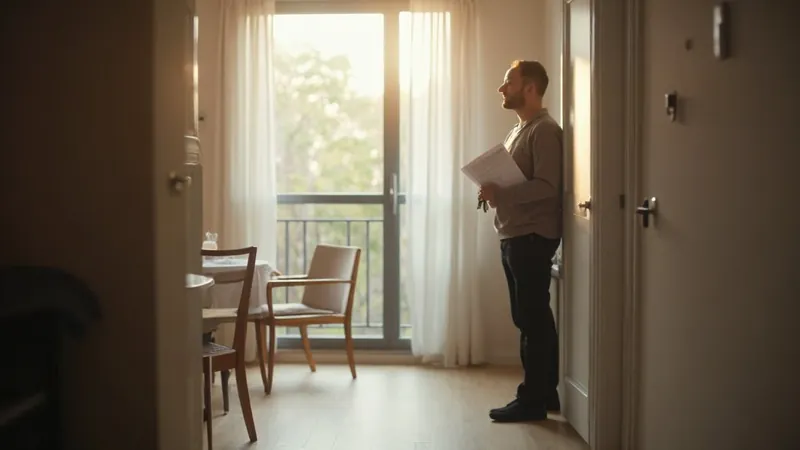
If you're renting a flat in Germany, you may have wondered whether your landlord (Vermieter) has the right to hold a spare key to your home. The answer isn't straightforward, and it depends on your lease agreement (Mietvertrag), German rental law, and what constitutes a legitimate reason for access. Understanding these boundaries protects both your privacy and your relationship with your landlord.
German tenancy law gives you strong rights to undisturbed enjoyment of your rental home. However, landlords do have limited legal reasons to enter your flat—and the question of whether they keep a key is central to how quickly and smoothly that access happens.
What German Law Says About Landlord Keys
Under German rental law (BGB – Bürgerliches Gesetzbuch), your landlord does not automatically have the right to keep a key to your flat. In fact, many rental agreements explicitly state that you—the tenant—hold the only key, and any spare must be returned to you or kept by a neutral third party (such as the building manager, or Hausmeister).
The law allows your landlord to enter only for legitimate reasons: repairs and maintenance, inspections (with proper notice), emergency situations, or to show the flat to prospective tenants near the end of your tenancy. However, they must give you advance notice—usually 24 to 48 hours—except in genuine emergencies like fire, flood, or gas leaks.
- Your landlord cannot enter without a valid reason or adequate notice
- Keeping a key without your explicit permission may violate your right to quiet enjoyment (Störungsfreiheit)
- Some leases allow the Hausmeister to hold a spare key for emergencies only
- You have the right to change the lock, provided you inform your landlord and restore the original upon moving out
What Your Mietvertrag Should Say
Your lease agreement is the starting point. Some German rental contracts clearly state who holds spare keys, while others are vague. If your contract says nothing, the presumption is that you hold all keys—your landlord should not have one without your consent.
If your lease does give your landlord key-holding rights, check whether it specifies conditions: for example, a key held only by the Hausmeister for emergencies, or a key held by the landlord but used only with notice. If you're uncomfortable with the terms, you can try to negotiate when you move in, or clarify the arrangement in writing.
- Read your Mietvertrag carefully for clauses about key access and maintenance entry
- If unclear, ask your landlord in writing (Email) to confirm who holds keys and under what circumstances they may be used
- Document any agreement about keys in writing to avoid disputes later
- Remember: any key-holding arrangement must respect your right to privacy and undisturbed use
Legitimate Reasons for Landlord Access
German law recognises that landlords need access for genuine purposes. These include repairs ordered by the landlord, routine inspections of the building's condition, viewing the flat for prospective tenants (if you're leaving), and emergencies. In all non-emergency cases, your landlord must notify you in advance—typically at least 24 hours, though some regions or contracts require 48 hours.
An emergency—such as a burst pipe, active gas leak, or fire—is the only exception when your landlord may enter without notice. In these situations, they may use their key or call an emergency locksmith. This is why some leases allow the Hausmeister to hold a spare key: it enables swift action in a genuine crisis without breaking your lock.
- Routine maintenance, inspections, and viewings require advance written notice
- Emergencies (water damage, gas smell, fire) may justify entry without notice
- Your landlord cannot use key access for frivolous visits or to check up on you
- If your landlord enters without proper notice or reason, this may breach your tenancy rights
What to Do If You're Uncomfortable
If your landlord holds a key and you feel this violates your privacy, you have options. First, review your lease to confirm whether key-holding was explicitly permitted. If the contract is silent, you can request—preferably in writing—that your landlord return any spare key or confirm that it will be held only by the Hausmeister for emergencies.
You also have the right to change the locks, provided you restore the original lock when you move out and inform your landlord of the change. Some tenants do this to feel more secure, especially if they've had unexpected visits. Document everything in writing, and keep copies of all correspondence.
- Request a written agreement clarifying key-holding and access conditions
- If your landlord has entered without notice or proper reason, send a formal letter (Mahnung) stating your concerns
- You may change the lock if you inform your landlord and restore the original before moving out
- Consider whether your landlord's behaviour suggests a pattern of unreasonable access—if so, seek advice from a tenant union (Mietverein) or legal expert
When You Need Help: Emergency Lock Issues
Sometimes the question of keys becomes urgent. You might lose your key, your landlord enters without notice and changes the lock, or you need to regain access quickly in an emergency. In these situations, a certified local locksmith can help you understand your options, regain entry safely, and restore your peace of mind.
If you're locked out, facing an unexpected landlord visit, or need to change a lock (with landlord approval), our English-speaking hotline connects you with a qualified locksmith who understands German rental law and can advise you on your rights. They'll explain the situation clearly, provide a written quote, and complete the work professionally. Don't hesitate to call when you need practical, fast assistance—we're here to help expats and international residents navigate these situations in English.
Frequently asked
Can my landlord enter my flat whenever they want if they have a key?
No. Even if your landlord holds a key, German law requires them to give advance notice (usually 24–48 hours) for routine access, and they may only enter for legitimate reasons such as repairs, inspections, or viewings. Emergencies are the only exception. Unreasonable or unannounced entry may violate your tenancy rights.
What should I do if my landlord has a key and I want it back?
Request in writing (Email) that your landlord return the key or confirm it is held only by the Hausmeister. Review your Mietvertrag to see what it says. If key-holding was not explicitly permitted, you have a stronger position. Document all correspondence and keep copies.
Am I allowed to change the lock if my landlord has a key?
Yes, you may change the lock provided you inform your landlord of the change and restore the original lock before you move out. This is your right to secure your home, but you must follow proper notification procedures to avoid breaching your lease.
What counts as an emergency when my landlord can enter without notice?
Genuine emergencies include active gas leaks, burst pipes, water damage, fire, or other dangers to the building or residents. A repair that can wait until the next day is not an emergency and requires advance notice.
Can the Hausmeister keep a key instead of my landlord?
Yes, and this is common in Germany. Many leases allow the Hausmeister to hold a spare key for emergencies only, which is often a good compromise—it ensures swift action in a crisis without giving your landlord unrestricted access.
What should I do if I'm locked out and my landlord won't help?
Call our English-speaking hotline and we'll connect you with a certified local locksmith who can regain your access quickly and advise you on your next steps. They'll explain costs clearly and work within German rental law.