
Should You Change the Locks in a New Flat?
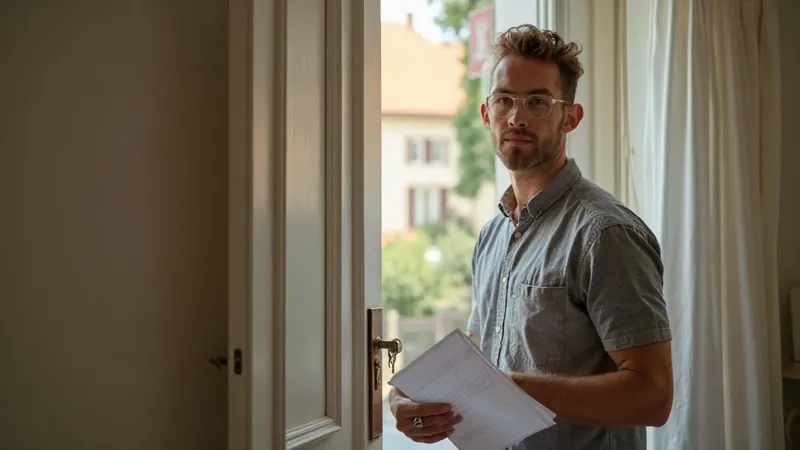
Moving into a new flat in Germany raises a practical question: should you change the locks? As an international resident, you may not be familiar with German tenancy law or what's actually your responsibility. The short answer is that in most cases, you cannot change the locks without your landlord's permission—and doing so could cost you your deposit or damage your rental relationship. But there are legitimate situations where a lock change makes sense, and we'll walk you through them.
Understanding your rights and obligations as a tenant in Germany (your Mietvertrag, or rental contract) is crucial. This guide covers when lock changes are acceptable, how to approach your landlord, what to do if you've lost keys, and when to call in a certified locksmith.
Why You Can't Simply Change the Locks
Under German rental law, your landlord (Vermieter) retains ownership of the flat and its fixtures—including the locks. Changing locks without permission is considered unauthorized alteration of the property and can breach your Mietvertrag. Your landlord has a legal right to access the property in emergencies (fire, water damage, gas leak) and for maintenance. If they cannot enter, you risk losing your deposit or facing legal action for breach of contract.
Even if the previous tenant left the locks unchanged or you suspect copies of keys exist, unilaterally installing new locks is not the answer. Instead, work with your landlord through proper channels.
When You Can Request a Lock Change
There are legitimate reasons to ask your landlord for a lock change, and most reasonable landlords will accommodate you:
- You've lost or damaged the only set of keys: You can request the landlord arrange a replacement or reimburse a locksmith call. Document everything in writing (email).
- You suspect unauthorized copies exist: If a previous tenant, cleaner, or contractor may have kept keys, ask the landlord to change the lock or provide new keys before you move in. This is often done as a matter of course.
- You have security concerns: If you feel unsafe or have reason to believe someone has access to your flat, explain this to your landlord. A change may be agreed to, though the landlord may ask you to cover the cost.
- The lock is broken or malfunctioning: A faulty lock is a maintenance issue, and your landlord must arrange a repair or change at their expense.
Always request in writing (email) and explain your reason clearly. Keep copies of all correspondence for your records.
If Your Landlord Refuses or Doesn't Respond
If your landlord refuses a reasonable request or ignores you, you have options. Many rental disputes in Germany are resolved through tenant associations (Mieterverein) or mediation before involving a court. In some cases, a persistent security concern may justify a locksmith call, but only after documented attempts to contact your landlord.
If you do proceed without permission, you must:
- Document the reason in writing (email to landlord, sent before the locksmith arrives).
- Provide the landlord with new keys and the bill receipt immediately after.
- Ensure the locksmith creates a written order form (Auftragsformular) detailing the work and cost—this protects you both.
- Understand that your landlord may still dispute the cost or refuse reimbursement, requiring small-claims court (Amtsgericht).
This is a last resort and should only follow genuine failed attempts to resolve the issue with your landlord.
What to Do If You've Lost Keys
Lost keys are one of the most common reasons tenants want locks changed. Here's the practical route:
- Contact your landlord immediately: Send an email explaining what happened and ask whether they have a spare key or will cover a locksmith call to rekey the lock.
- Check your insurance: Some household insurance policies (Hausratversicherung) cover lockout costs, particularly if you can show the loss was beyond your control (stolen, lost in transit). Review your policy first.
- Get a locksmith estimate: A certified local locksmith can assess whether rekeying (changing the internal pins—less disruptive) or full lock replacement is needed. The locksmith will explain costs on a written order form on site.
- Document the cost: Keep the receipt and invoice; you may recover it from your landlord or claim it against your deposit if they refuse to reimburse.
In most cases, a simple rekey is much less expensive and intrusive than replacing the entire lock.
How to Approach Your Landlord: A Practical Guide
Communication is key. Here's how to request a lock change professionally and increase your chances of approval:
- Email, not in person: Create a written record. Use a professional but friendly tone and reference your Mietvertrag clause number if relevant (often in the conditions).
- Be specific: "I would like to request a lock change because [lost keys / security concern / existing lock is broken]. I am happy to coordinate with a locksmith at a time convenient to you, or cover the cost if you prefer."
- Give reasonable notice: Don't demand it urgently unless there's a genuine emergency (lockout, break-in attempt). This shows you're reasonable.
- Offer solutions: "I can arrange a certified locksmith and provide you with new keys immediately after. Would you prefer to hire the locksmith yourself, or shall I do so and send you the invoice?"
- Follow up: If there's no response within one week, send a polite reminder or contact the property management company if applicable.
Most landlords appreciate tenants who respect the process and communicate clearly.
When You Need a Locksmith—Call Our English-Speaking Hotline
Whether you're locked out, have lost keys, or your landlord has approved a lock change, a certified local locksmith can help quickly and professionally. If you're an expat or international resident in Germany and feel uncertain about the process, don't navigate it alone—our English-speaking hotline connects you with a certified local locksmith who understands the German rental system and can advise you on the right approach.
A good locksmith will explain the work in English, provide a written order form detailing the cost before starting, and ensure you have all the keys and documentation you need. Whether it's a rekey, emergency lockout, or full lock replacement, reaching out for professional help is often faster and less stressful than trying to handle it yourself. If you have an urgent locksmith need or need guidance on your specific situation, call our hotline today and let us connect you with a trusted professional.
Frequently asked
Can my landlord enter my flat whenever they want, even after I change the locks?
No. Once you change locks without permission, your landlord cannot legally enter without your permission. However, they retain the legal right to access in genuine emergencies (fire, gas leak, water damage). This is why unauthorized lock changes are risky—they can lead to deposit forfeiture or legal disputes. Always inform your landlord of any lock changes and provide them with a key.
What if the previous tenant's keys are still in circulation?
This is a legitimate security concern. Ask your landlord or the letting agent to confirm that all keys have been collected and returned, or to arrange a rekey before you move in. Many landlords do this routinely between tenants as a best practice. If you discover later that someone may have unauthorized access, contact your landlord in writing immediately and request a change.
Who pays for the lock change—me or my landlord?
It depends on the reason. If the lock is faulty or broken, the landlord must pay (it's maintenance). If you've lost keys or want a change for security reasons without a defect, many landlords will share the cost or ask you to pay, particularly if you initiated the request. Always agree on payment before the locksmith arrives to avoid disputes.
I'm locked out of my flat right now. What should I do?
First, try contacting your landlord, the property management office, or Hausmeister (caretaker) to see if they have a spare key. If that's not possible, you'll need a certified locksmith to open the door. It's an emergency, so costs may be higher, but it's your only option to regain access. A locksmith can usually arrive within an hour in most German cities.
Can I change the lock and just give my landlord a new key?
Technically, you can do this if your landlord has agreed in writing. However, without written consent, even if you provide new keys, your landlord may later claim breach of contract and deduct costs from your deposit or refuse to return it. Always get explicit permission first, ideally in email, and provide a copy of the locksmith's receipt showing the work performed.
What happens if I change the locks without permission and my landlord finds out?
Your landlord can sue for breach of contract, deduct the cost of reverting the lock from your deposit, or refuse to return your full deposit. In serious cases, they might pursue eviction. Even if you later provide keys, the unauthorized alteration itself is the issue. It's not worth the legal and financial risk—always seek permission first or ensure a genuine emergency justifies the action.