
Door Security Upgrades Renters Are Allowed to Make
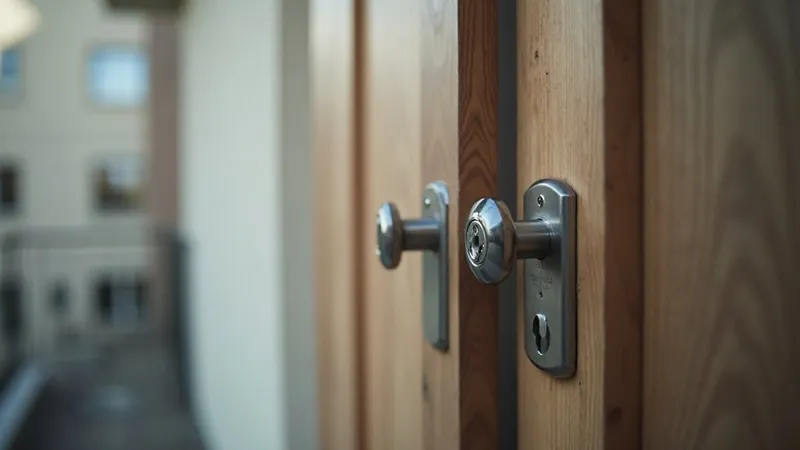
As a renter in Germany, you may feel limited in what you can do to improve your flat's security. But the good news is that you have more options than you might think. German tenancy law (Mietvertrag) actually allows you to make several door security upgrades without needing your landlord's permission, provided they don't permanently damage the property. Understanding what you can and cannot do will help you protect yourself while respecting your lease agreement.
Whether you're concerned about break-ins, want to feel safer at night, or simply prefer to upgrade the locks you've inherited, this guide walks you through the door security improvements available to you as a renter in Germany, and when you should call in a certified local locksmith.
What You Can Do Without Landlord Permission
German law recognizes a renter's right to improve security in reasonable ways that don't permanently alter the property. The key principle is reversibility—if you can remove it without damage when you leave, you're usually on solid ground.
- Replace interior door locks: You can swap out the lock cylinder on your interior doors (bedroom, bathroom, living room) as long as you keep the original and reinstall it before moving out. This is one of the safest upgrades you can make.
- Add a door chain or safety bar: These are non-permanent additions that don't damage the door frame and can be removed easily. They're useful for checking who's at the door before opening fully.
- Install a peephole or door viewer: Drilling a small hole for a peephole is generally acceptable. The hole is tiny and easily filled when you leave. It lets you see visitors without opening the door.
- Add weatherstripping or draft excluders: These improve both security and insulation, they're temporary, and landlords rarely object.
- Use portable door wedges or door stops: These sit on the inside of your door and prevent it from opening. Completely removable and very practical.
Upgrades That Usually Require Permission (Vermieter Approval)
Some security improvements are more substantial and fall into a grey area. In many cases, you should ask your landlord first. German tenancy law (Mietvertrag) often requires permission before making structural changes or major alterations.
- Replace the front door lock cylinder: Your main entry door is different from interior doors. Many contracts require landlord permission to change the main lock. The landlord may want to keep a key or ensure the lock meets their insurance requirements. Always ask in writing (email counts).
- Install a secondary deadbolt or additional lock: Adding a second lock to the front door usually needs permission, as it modifies the entry door itself.
- Fit a security door frame reinforcement: Products that strengthen the door frame are semi-permanent and often require permission.
- Install an electronic lock or smart lock: These are becoming more popular but may need landlord approval if they replace the existing lock entirely or if the building has specific security systems.
- Upgrade to a security door: A complete door replacement is a major change and definitely requires permission (and is unlikely to be approved unless you own the flat).
The safe approach: send your landlord (Vermieter) a brief email describing the upgrade you want to make. Explain that it's temporary or reversible. Keep a copy of their reply. This protects you if there's ever a dispute when you move out.
Important Insurance and Liability Considerations
Before making any security upgrade, check your household contents insurance (Hausratversicherung) and your landlord's building insurance (Gebäudeversicherung). In many cases, insurers have specific requirements for door locks and security standards.
- Some policies require DIN-certified locks: If you suffer a break-in, your insurer may only pay out if your locks meet certain German standards. A certified locksmith can advise you on whether a replacement lock meets these requirements.
- Landlord's insurance may require notification: If you upgrade the main door lock, it's wise to let your landlord know in writing so their building insurance records are accurate.
- Liability (Haftpflicht) covers accidental damage: If you accidentally damage the door while installing security improvements, a good landlord's liability insurance or your own should cover it—but check the fine print of your contract first.
- Document your upgrades: Take photos of any security improvements you make. If you have an inspection (Wohnungsübergabe) when you leave, you can show exactly what is original and what you added.
When to Call a Certified Locksmith
Some security upgrades are worth leaving to professionals. A certified local locksmith in Germany knows the law, can advise you on what your landlord is likely to accept, and ensures the work is done safely and to German standards. They can also provide documentation of the work, which protects you later.
- You're unsure whether a lock meets insurance requirements: A locksmith can check your current locks against DIN standards and advise on upgrades that won't trigger insurance disputes.
- You want to replace a front door lock but aren't sure about permission: A locksmith can explain your options and help you choose a solution that works with your landlord's likely requirements.
- Your lock is damaged, sticking, or you've lost keys: Calling a certified locksmith is faster and safer than struggling with DIY fixes.
- You need documentation for insurance: A locksmith provides a written order form and proof of work, which insurers and landlords appreciate.
- You're leaving soon and want to restore original locks: A locksmith can efficiently reinstall your original locks and ensure nothing is left damaged.
If you're in an urgent situation—locked out of your flat, a break-in, or a security emergency—don't hesitate. Our English-speaking hotline connects you with a certified local locksmith who can respond quickly, advise you in English, and handle the situation professionally. It's what we're here for.
Top Tips for Renter Security Without Conflict
Making your flat safer doesn't have to mean conflict with your landlord. A few practical steps go a long way.
- Always communicate in writing: Email your landlord, describe the upgrade clearly, explain it's reversible, and ask for permission. A simple "Yes" email protects you both.
- Keep all original parts: When you replace a lock, remove, label, and store the original lock cylinder. You'll reinstall it before you move out.
- Choose reversible over permanent: Door chains, peepholes, and wedges are always safer choices than drilling new holes or screwing into frames.
- Check your insurance before upgrading: A five-minute call to your Hausratversicherung can confirm whether your upgrade will affect your coverage or deductible.
- Use a locksmith for peace of mind: It costs less than you might expect, and the professional can handle landlord communication if needed.
Frequently asked
Can I change the lock on my front door without asking my landlord?
In theory, some locks on interior doors can be changed without permission, but the main front door lock is different. Most contracts require landlord approval. Always ask in writing first—it's the safest approach and takes only an email.
What happens to my insurance if I upgrade the locks?
In many cases, upgrading to a better lock actually improves your coverage. However, some insurers require locks to meet DIN standards. Check your Hausratversicherung policy or call them briefly before making changes.
Can I install a smart lock or electronic lock on my rented flat?
Electronic locks usually require landlord permission because they replace the existing lock entirely and may not suit the building's security system. Contact your landlord in writing to ask—some will approve, others won't.
What's the difference between reversible and permanent upgrades?
Reversible upgrades (peepholes, door chains, wedges) can be removed without damage when you leave. Permanent upgrades (new locks, security frames) require landlord permission and sometimes professional installation to restore the original state.
Do I need to restore the original locks before I move out?
Yes, in most cases. Your lease requires you to return the flat to its original condition. Keep your original lock cylinder, and reinstall it before your final inspection (Wohnungsübergabe).
What should I do if my landlord refuses a security upgrade I want to make?
If they refuse, respect the decision and explore other reversible options instead. If the current lock is genuinely unsafe, you can often invoke a right to make emergency repairs (Selbstschussrecht), but consult a local locksmith or tenant advisor first. If you're locked out, call our English-speaking hotline—we handle these situations regularly.