
Emergency Locksmith Numbers in Germany
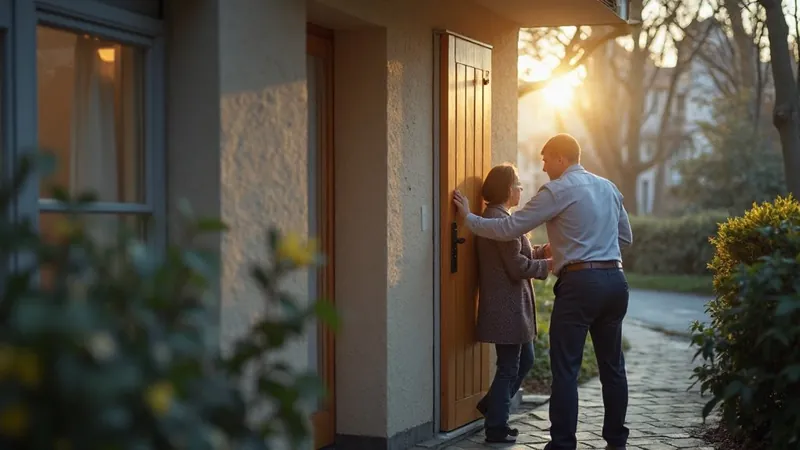
Being locked out of your home, car or office can happen to anyone—and it's doubly stressful when you're new to Germany and don't speak German fluently. Unlike some countries, Germany doesn't have a single nationwide emergency locksmith number. Instead, you'll need to know how to find a certified local locksmith fast, understand what to expect when you call, and know which situations truly need 24/7 help.
This guide walks you through the German locksmith system, how to contact someone in an emergency, and what to do while you're waiting for help to arrive.
How the German Locksmith System Works
Germany doesn't have a centralised emergency service for locksmiths like you might find in the UK or US. Instead, you have two main options: call your landlord (Vermieter) or a local certified locksmith (Schlüsseldienst) directly.
If you rent, your lease (Mietvertrag) almost always requires you to contact your landlord or Hausmeister (building manager) first, especially during business hours. They often hold a spare key or can call a locksmith they trust and sometimes cover the cost. If it's late at night or a weekend and your landlord isn't reachable, then calling a certified locksmith becomes necessary.
A certified locksmith in Germany will be registered with the local chamber of trades (Handwerkskammer) and display their certification. This matters: it means they're properly trained, insured and bound by fair pricing rules. Avoid unlicensed operators offering suspiciously cheap rates.
Finding a 24/7 Locksmith When You're Locked Out
The fastest way to reach an English-speaking locksmith is through a referral hotline that specialises in connecting expats and international residents to certified professionals. Our English-speaking hotline at Locksmith 24 can match you with a local locksmith who speaks English and understands the situation of people new to Germany.
- During the day (roughly 8 am–6 pm): contact your landlord or Hausmeister first; they can often resolve it within an hour.
- Evenings and weekends: call an emergency locksmith directly. Response times vary by location, but a certified professional can usually arrive within 30–60 minutes in urban areas.
- Late night (after 10 pm or before 6 am): expect a longer wait and a higher surcharge for night-time callout. This is standard across Germany.
- If you have home insurance (Hausratversicherung): check your policy—some cover locksmith costs if you're locked out due to loss of keys. Keep the receipt from the locksmith.
When you call, be ready to provide your address, explain how you're locked out, and confirm whether you're a renter or owner. The locksmith will then give you a rough time estimate.
What to Do While Waiting for the Locksmith
Once you've called for help, stay calm and use your waiting time wisely.
- Stay in a safe location. If you're locked out of an apartment, wait in a common area or a nearby café—not in the stairwell or alone outside.
- Keep your phone charged. The locksmith will call you when they're close by so you can meet them at the door.
- Gather ID and payment method. Have your passport or another form of ID ready. The locksmith will write out an invoice on site and explain the cost before they start work. Many accept cash, but some also take card—ask when they arrive.
- Contact your landlord or household members. If you're renting, let your Vermieter or Hausmeister know what's happening, especially if it's outside business hours. They may want to be present or prefer to handle it themselves.
- For car lockouts: stay inside the vehicle if it's safe and weather permits, and keep the doors locked until the locksmith arrives. Never leave valuables visible on the seats.
Avoid trying to force your way in yourself—you risk damaging the lock, door frame or latch, which often costs far more than calling a professional and may violate your rental agreement.
Common Lockout Scenarios in Germany
Different situations call for different responses, and knowing which is urgent helps you react properly.
- Locked out of your apartment in winter: This is an emergency. If you have no way to warm up and no access to your flat, call a locksmith immediately. Some landlords will also prioritise this.
- Locked keys in your car while parked at home: Call a locksmith who specialises in automotive work. Don't try to smash a window; a certified locksmith can open most cars without damage.
- Lost your key and can't find it: You'll need to call your landlord and a locksmith. In many cases, the landlord will ask you to change the lock (Schlosswechsel) at your own expense if it's a rented flat.
- Locked out of a shared office or shared workspace: Contact the building management first. If they can't help and it's a work emergency, call an emergency locksmith and let your employer know the cost will need to be claimed back or reimbursed.
- Accidentally locked in (trapped from the inside): If you can safely open a window or contact someone outside, do so. If you can't, call emergency services (112) rather than a locksmith—fire or police may attend.
Key Things to Know Before the Locksmith Arrives
Understanding German locksmith practice removes surprises when someone arrives at your door.
The locksmith will ask to see your ID to confirm you live at that address—this is a legal requirement to prevent unauthorised entry. If you're renting, the Vermieter's authorisation (or your tenancy agreement) counts as proof. If you're in a shared flat (Wohngemeinschaft), you may need a housemate to confirm you live there if you don't have a printed lease on you.
Pricing is transparent by law in Germany. The locksmith will explain their callout fee, the cost of the work, and any parts (like a new lock cylinder) before they start. You'll receive a written invoice (Rechnung) or order form (Auftragsbestätigung) on site. This is your protection—never pay cash without a receipt or accept work without a clear quote first.
If the door is particularly secure or needs specialist techniques, the locksmith may take longer than expected. Ask them to explain what they're doing if you're curious; most professionals are happy to walk you through it.
If you ever find yourself in an urgent lockout situation and need fast, reliable help with someone who speaks English and understands the pressures of being new to Germany, our English-speaking hotline is available to connect you with a certified local locksmith. Don't struggle alone—one call gets you professional help, fast.
Frequently asked
Is there a single German emergency locksmith number I can call?
No, Germany doesn't have one national number. You contact your landlord first if you rent, or call a certified local locksmith directly. An English-speaking referral service can match you with a professional who speaks English.
Will the locksmith be more expensive if I call after 10 pm?
Yes, most locksmiths charge a higher night-time surcharge (often 25–50% extra) for calls between roughly 10 pm and 6 am. This is standard practice in Germany and is written on their invoice.
Can my landlord force me to pay for a locksmith if I'm locked out?
In many cases, no. If you've lost your key through no fault of your own, your landlord often covers the cost or you split it. Check your Mietvertrag; tenant rights vary. Always ask your landlord before calling a locksmith if possible.
What should I do if a locksmith's quote seems too high?
You can ask them to explain the breakdown or call another locksmith for a second opinion before agreeing. Get everything in writing. You're not obliged to accept the first quote, but remember that very cheap quotes sometimes mean lower quality work.
Do I need to be present when the locksmith arrives?
Yes, always. You need to provide ID to prove you live there, and you'll need to sign the invoice. Arrange to be home or have an authorised person there (like your landlord or a housemate).
Can my renters' insurance cover a lockout?
Some policies (Hausratversicherung) do cover locksmith costs, especially if the lockout is due to loss or theft of keys. Check your policy details and keep the invoice from the locksmith to file a claim.