
Your Front Door Won’t Open: Quick Checks First
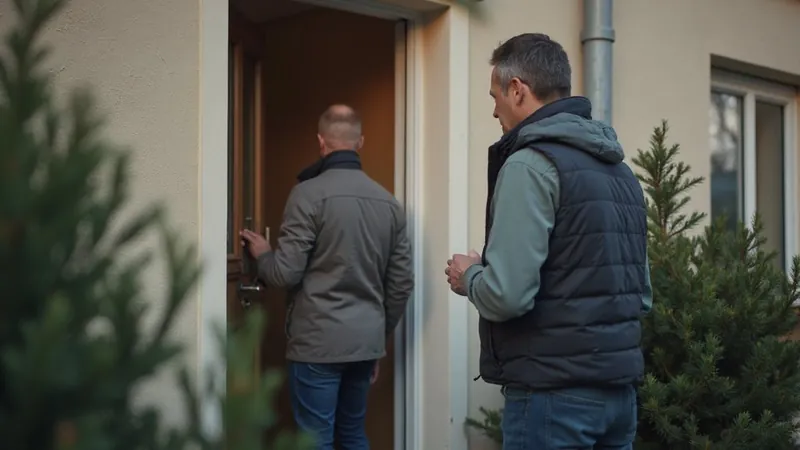
You're standing at your front door and the key won't turn, the handle is jammed, or something feels wrong. Before you panic—or call for help—there are a few safe checks you can do yourself that might save time and money. Many common door problems have simple fixes, especially in German rental flats where doors tend to be sturdy but can stick or develop minor issues.
This guide walks you through what to try first, when you can solve it yourself, and when you genuinely need a certified local locksmith. Because sometimes the answer is as simple as a frozen lock in winter, or WD-40 on a stiff hinge.
Check the Basics: Is It Actually Locked?
It sounds obvious, but doors behave differently depending on your lock type and the building. In Germany, most residential doors have a deadbolt you turn with a key, plus a handle-operated latch. The latch can jam without the deadbolt being locked.
- Try the handle alone. Push or pull gently without using the key. Does it open? If yes, the deadbolt may be stuck, not locked.
- Look at the lock cylinder. Is there a red dot or mark visible? Many German locks have a little indicator showing locked (rot/red) or unlocked (grün/green). If you can't see one, your lock type is different—note this for when you call for help.
- Check if the door frame is warped or swollen. In winter, wood doors in older German buildings can swell from moisture or cold. The frame might be pushing against the door, making the lock feel stuck even though it's not the lock itself.
- Feel for ice or frost inside the keyhole. Particularly relevant if you're in a cold spell. A frozen lock won't turn because ice is physically blocking the mechanism.
Safe Things You Can Try Right Now
If you've confirmed the lock *should* open and isn't responding, these gentle methods often work. The key principle: don't force anything, because forcing can damage the lock cylinder and cost more to repair.
- Wiggle the key gently. Sometimes the key sits slightly misaligned in the cylinder. Gentle up-and-down or side-to-side movement (without forcing) can help it settle into the right position. Then try turning slowly.
- Apply graphite powder or silicone lubricant. WD-40 is fine for hinges and metal, but for the lock itself, graphite powder is better because it doesn't attract dust. Spray or dust a tiny amount into the keyhole, then work the key in and out without forcing. German locksmiths recommend this for sticky locks before using oil-based sprays.
- If the door is swollen, try gentle pressure. Lift the door handle slightly while turning the key. Sometimes swelling pulls the bolt out of perfect alignment; releasing pressure can help. Again: gentle, not aggressive.
- For a frozen lock, use warm (not boiling) water or a hair dryer. Hold the dryer 10–15 cm from the lock for a minute or two to gently thaw it. Then try the key. Avoid pouring boiling water directly onto the lock—it can cause the metal to expand unevenly and crack.
- Check your windows and other entry points if you're locked out. This isn't a long-term solution, but if you've tried everything and need to get inside your flat (Wohnung), a ground-floor window or balcony door might be accessible—better to call a locksmith than risk breaking something.
What Not to Do—and Why
Trying to force a stuck lock is the fastest way to turn a simple problem into an expensive one. A broken lock cylinder means replacement, not just a quick fix.
- Don't hammer or use pliers on the key. The key can snap inside the lock, which then requires professional extraction tools and more time.
- Don't spray oil-based lubricants directly into the lock repeatedly. Oil attracts dirt and can gum up the mechanism further. A light touch with graphite powder, or a single spray of WD-40 followed by working the key gently, is enough.
- Don't try to pick the lock yourself unless you know what you're doing. If the lock is genuinely broken, picking it can cause further damage. A certified locksmith has the right tools and can assess whether repair or replacement is needed.
- Don't ignore damage you notice—cracks in the frame, a loose cylinder, visible rust. These are signs the lock needs professional attention soon, especially in a rental flat where your Vermieter (landlord) and insurance may have specific requirements.
When to Call a Locksmith—Signs It's Time
Some problems won't respond to home fixes, and trying harder won't help. Knowing when to call a certified local locksmith saves you hours of frustration.
- The key won't turn at all after you've tried gentle methods. This usually means the cylinder is stuck or damaged internally, not just dirty. A locksmith can diagnose the cause quickly.
- The lock makes grinding or clicking sounds when you try to open it. These noises suggest the internal pins or springs are broken or misaligned. Forcing it can break them further.
- You're locked out (Aussgesperrt) and can't access the flat any other way. A certified locksmith can open the door without damaging it, usually faster than trying to break in. In Germany, they'll also give you a written order (Auftrag) itemizing the work and costs before they finish.
- You're in a rental flat and the lock is faulty—contact your Hausmeister (building manager) first. In many cases, the landlord or property manager must arrange repairs. However, if it's an emergency and they're unavailable, a locksmith can help and the cost often falls to the landlord under tenant rights. Keep your receipt and photos for your records.
- Your flat has been broken into or tampered with. Call police (Polizei) first, then contact a locksmith to secure the door. You'll need the police report for your Hausrat (contents) or Haftpflicht (liability) insurance claim. The insurance may cover the locksmith's cost.
What a Locksmith Will Do—and Why It Matters in Germany
When a certified local locksmith arrives, they'll assess your lock quickly, explain what's wrong, and give you a written order form on site that shows the work and costs before they proceed. This transparency is standard in Germany and protects you both.
They can open a stuck or broken lock without damage, repair or replace the cylinder, advise on security upgrades, and provide documentation for insurance or rental disputes. If you're locked out and need urgent help—especially outside business hours or on weekends—our English-speaking hotline connects you with vetted locksmiths across Germany who understand expat and international resident needs. They speak English or can arrange an interpreter if needed, and they know German rental agreements and insurance practices. Don't spend hours trying DIY methods that might make things worse: call our hotline and get professional help quickly, fairly, and with full transparency on costs.
Frequently asked
I'm locked out of my flat in Germany. Can a locksmith open the door without breaking it?
Yes. A certified locksmith has tools and expertise to open most German locks cleanly without damaging the door frame or lock. They'll ask for proof of residence (ID, rental contract, or a utility bill) for security reasons, then open the door and explain what happened to the lock.
My key is stuck inside the lock. Can I pull it out myself?
Pulling hard can break the key or damage the cylinder further. Apply a tiny amount of graphite powder or silicone spray around the key, wait a minute, then gently wiggle and ease the key out. If it won't budge, a locksmith has extraction tools that won't cause additional damage.
I'm renting and my lock is broken. Am I responsible for paying the locksmith?
In many German rentals, the landlord (Vermieter) or property manager must arrange and pay for lock repairs under maintenance obligations (Mängelbeseitigung). Contact your Hausmeister or landlord first. If it's an emergency and they're unavailable, a locksmith can help; keep your receipt and forward it to your landlord—they often reimburse you or the insurance covers it. Check your Mietvertrag (lease) for specifics.
What if my lock froze in winter?
Use a hair dryer held 10–15 cm away for a minute or two to gently thaw it, then try your key carefully. Avoid boiling water directly on the lock. If this doesn't work after one attempt, a locksmith can thaw and lubricate it professionally without risk.
My flat was broken into and the lock is damaged. What should I do first?
Call the police (Polizei) immediately and get a report number. Then contact a locksmith to secure the door. Keep all receipts and the police report for your Hausrat or Haftpflicht insurance claim—many policies cover locksmith costs for break-ins. Alert your landlord and building manager as well.
What's the fastest way to get help if I'm locked out on a Sunday evening?
Call our English-speaking hotline. We connect you with certified local locksmiths available 24/7, even on weekends and holidays. They'll give you a time estimate, arrive promptly, and provide a written cost breakdown before they start.