
A Frozen or Jammed Lock in Winter
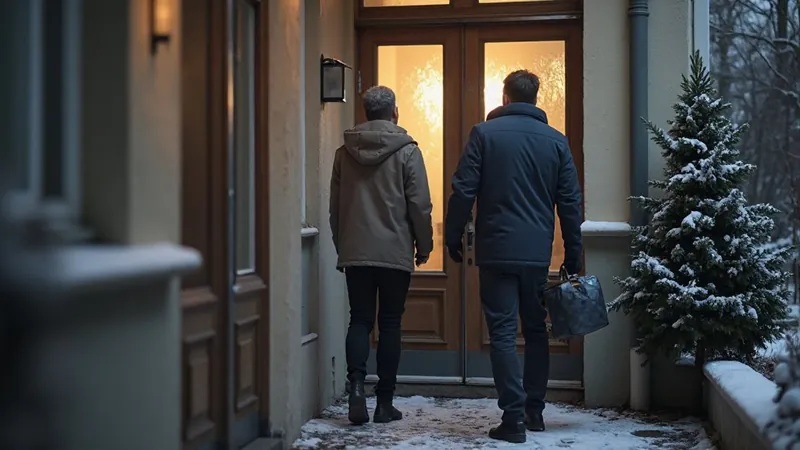
Winter in Germany brings beautiful snow, but it also brings a common problem: frozen locks. Whether you're locked out in the cold or your key won't turn, a jammed lock can happen to anyone—and it's especially stressful when you're an expat unfamiliar with how to handle it.
The good news is that frozen locks are usually solvable without damaging your door or lock. This guide explains what causes them, what you can safely try, and when to call a certified local locksmith for help.
Why locks freeze in German winters
Locks jam in winter for a straightforward reason: moisture inside the lock mechanism freezes into ice. Your lock isn't solid metal all the way through—it contains a spring-loaded pin mechanism that needs to move freely. When water seeps in (from humidity, snow, or rain), it freezes at below 0°C and prevents the pins from shifting when you turn the key.
German winter temperatures often drop to minus 5, 10 or even 15 degrees Celsius, which makes this problem worse. Older apartment buildings and rental homes with traditional locks are especially vulnerable. If your front door faces north or a shaded courtyard, it stays colder longer and freezes more easily.
Safe steps you can try before calling for help
Before you panic or force your key, try these gentle, damage-free methods:
- Warm the lock gently. Use your body heat: hold your hand over the lock for 30 seconds to warm it. A hot water bottle pressed against the lock for a minute or two also works. Never pour boiling water directly on the lock—the sudden temperature change can crack the mechanism or freeze it worse when you move away.
- Use a graphite pencil. Rub the tip of a pencil (not a ballpoint pen) inside the keyhole. The graphite powder acts as a lubricant without attracting moisture like oil does. Insert and turn your key gently.
- Apply a de-icer spray. If you have a lock de-icer or WD-40 type product designed for locks, spray a small amount into the keyhole. Wait 30 seconds and try your key with gentle, steady pressure—never force it.
- Try the key at different angles. Sometimes a slight twist or gentle up-and-down movement helps. Apply steady pressure; jerky movements can snap the key.
If none of these work after a few calm attempts, stop. Forcing a frozen lock risks breaking your key inside it, which creates a bigger problem.
What not to do
Several common mistakes make frozen locks worse:
- Don't use salt or alcohol sprays. Salt can corrode the lock. Alcohol-based de-icers designed for car locks can damage certain lock materials.
- Don't pour hot water on the lock. You'll damage the mechanism and the surrounding door or frame. The water also refreezes immediately in below-zero weather, making it worse.
- Don't hit or bang the lock. This can crack the cylinder or break pins inside.
- Don't force the key. Applying heavy pressure or twisting hard will snap the key in half, leaving you stuck outside with a broken key lodged inside the lock.
These mistakes are why German locksmiths are so often called out in winter—people unintentionally cause secondary damage while trying to thaw their locks.
When to call a certified locksmith
If you've been locked out for more than 20 minutes, it's time to call for professional help. A certified local locksmith (Schlosser) has the right tools and experience to thaw a lock safely without damaging your door or lock mechanism. They can also check whether your lock needs maintenance or replacement after the winter season.
As a tenant in a German rental property, remember that your Vermieter (landlord) or Hausmeister (building superintendent) may be responsible for maintaining locks and providing you with working keys. Check your Mietvertrag (rental agreement). However, if you're locked out on a Sunday or during an emergency, you won't have time to wait—professional emergency help is faster and often worth it.
The locksmith will explain exactly what they're doing and provide a written price estimate (Kostenvoranschlag) before they begin. They'll use safe thawing techniques, proper lubricants, and may recommend preventative maintenance like applying a hydrophobic lubricant to your lock before next winter arrives.
If you're in an emergency right now and your lock is frozen solid, call our English-speaking hotline. We connect you directly with a certified, vetted locksmith in your area who understands the needs of international residents and speaks your language.
Frequently asked
Can I use the WD-40 in my garage on my frozen lock?
WD-40 is mainly a water-displacing lubricant; graphite powder is safer for locks because it doesn't attract moisture. If you use WD-40, apply sparingly and only as a one-time attempt. Don't rely on it regularly, as it can attract dirt.
Is the landlord responsible if my lock freezes?
In many cases, yes—the landlord must maintain the property in working order, including locks. Check your Mietvertrag. However, if you've neglected the lock or caused the freeze through misuse, you may be liable. When in doubt, document the problem and notify your Vermieter in writing.
My key snapped off inside the frozen lock. What do I do?
Stop immediately—don't try to remove the broken piece yourself. Call a certified locksmith right away. Attempting DIY removal often damages the lock cylinder further and makes professional extraction harder.
How can I prevent my lock from freezing next winter?
Apply a hydrophobic graphite-based lubricant to your lock in autumn, or ask your locksmith to do it. Keep the area around the lock dry and clear of snow. Weatherstripping on your door also helps. Avoid breathing on the lock in freezing weather, as your warm breath can create ice inside.
If I'm renting, do I have to pay for the locksmith if my lock freezes?
Not usually, if the freeze was natural and not caused by your negligence. The landlord typically covers maintenance and repairs. However, if you damaged the lock through misuse or forced entry, you may be charged. Keep all receipts and let your Vermieter know immediately.
How long does it usually take a locksmith to thaw a frozen lock?
Usually 10 to 20 minutes if the lock is only partially frozen. Badly frozen locks may take longer. A locksmith may recommend replacing the lock if it's damaged or freezes repeatedly.