
German Door Locks Explained for Expats
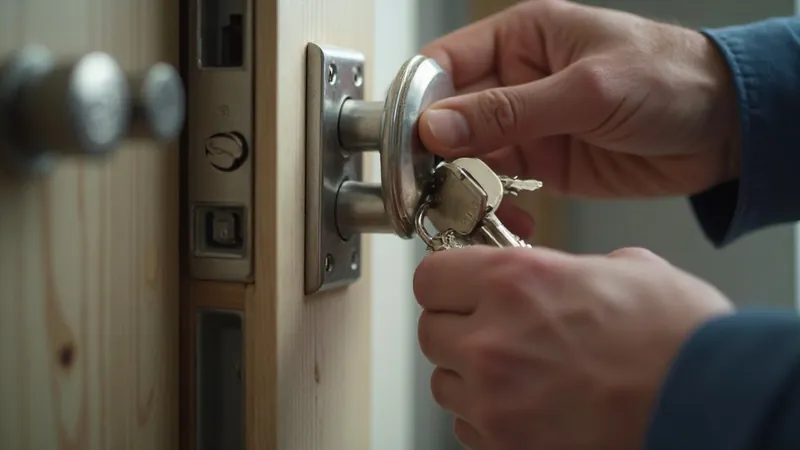
If you've just moved into a flat or house in Germany, you've probably noticed the door locks look different from what you're used to. German locks are built to a different standard, use different key profiles, and often work in ways that can confuse newcomers. Understanding how they function—and what to do when something goes wrong—will save you time, money, and frustration.
This guide explains the most common German lock types you'll encounter as an expat, how they differ from locks elsewhere, and what to do if you're locked out, lose your keys, or need a repair.
The German Pin Tumbler Lock (Zylinderschloss)
The most common lock on German residential doors is the pin tumbler cylinder lock, often called a Zylinderschloss. It works on the same basic principle as locks worldwide—pins of different heights align when the correct key is inserted—but German locks use specific security profiles and manufacturing standards that are stricter than many other countries.
The key difference you'll notice: German keys often have a more complex cut pattern, sometimes with additional security features like anti-pick pins or a rotating sidebar. This means a key from your home country almost certainly won't fit a German lock, and vice versa. If you try to force a wrong key into a German lock, you risk breaking it off inside the cylinder.
Most German residential locks are rated to DIN standards (the German industrial norm). Common security levels include:
- Simple pin tumbler: basic security, often found in older buildings or shared entrances
- Anti-pick cylinders: have special pins that resist picking, found in more modern flats
- High-security cylinders: include additional mechanical barriers and are increasingly common in newer construction
Multi-Point Locks (Mehrpunktschlösser) and Composite Doors
Many modern German residential doors, especially on main entrances, use multi-point locking systems (Mehrpunktschlösser). When you turn the key, one turn doesn't just lock a single bolt—it engages multiple locking points up and down the door frame simultaneously. This is a security standard in Germany and makes the door much harder to force open.
These locks usually have a deadbolt at the centre, plus additional bolts that shoot upward and downward. If your door has this system, you may notice:
- The key requires a full turn (usually 90 degrees) to fully engage all bolts
- The door frame has reinforced strike plates and multiple locking points
- Sometimes a handle that must be turned before the key will work (called a security handle)
- Occasional slight creaking or grinding sounds as all bolts engage—this is normal
These systems are very reliable when functioning properly, but if one bolt gets stuck, the whole lock may jam. This is one reason why calling a certified local locksmith quickly is important; forcing it can damage multiple points at once.
What Happens When You're Locked Out or Lose Your Keys
Being locked out in Germany is stressful, but the response is different from some other countries. You cannot simply call your landlord (Vermieter) to let you in; German tenancy law (Mietvertrag) typically makes the tenant responsible for managing their own keys and access. However, many lease agreements state that emergency locksmith costs are your responsibility unless the lock is damaged by the landlord or faulty.
If you're locked out, here's what to do:
- Check windows and other doors: in emergency situations, an alternative entry point may save you money, though never force entry to your own flat
- Contact your landlord or Hausmeister (building manager) only if you have a pre-agreed arrangement—don't assume they keep a spare key
- Call an English-speaking locksmith hotline immediately if it's urgent; a certified local locksmith can open the door without forcing the lock
- If you've lost your keys entirely, inform your landlord in writing and ask whether your insurance (Hausrat-Versicherung) covers locksmith costs—many policies do
The locksmith will arrive with professional tools to open the door without damage, then you'll need to decide whether to have them rekey the lock or change the cylinder entirely. This conversation happens on site, and costs vary widely depending on the lock type and time of call.
Common German Lock Problems and How to Avoid Them
German locks are robust, but wear and tear happens. Here are the most common issues expats encounter:
- Stiff or grinding keys: dirt, rust, or lack of lubrication. Never force a key; use silicone-based lubricant spray in the cylinder, not oil (oil attracts dirt). If it persists, a locksmith can clean the cylinder professionally
- Key breaks inside the lock: usually from applying too much force or using a worn key in a security lock. This requires professional extraction; do not try to dig it out yourself
- Bolt misalignment: especially in older buildings where door frames shift, the bolt may not retract smoothly. A locksmith can adjust the strike plate or cylinder position
- Handle becomes loose or doesn't turn: often just a screw that needs tightening, but sometimes indicates wear to the internal mechanism
- Multi-point lock engages only partially: one bolt is stuck while others work. This needs professional attention before the entire mechanism jams
Preventive care: use your key gently, don't force anything, and have the lock inspected by a professional if you notice any stiffness or grinding sounds early on.
Getting Copies Made and Changing Locks
Making a spare key in Germany is straightforward if you have the original. Hardware stores (Baumarkt) and some locksmiths offer key-copying services; you simply show them your key and they cut a copy on a machine. Costs are very low. However, if you own a high-security cylinder with an anti-pick profile, not all stores will copy it—this is intentional, for security. You'll need to go to a certified locksmith who has a copy authorization code from the lock manufacturer.
If you want to change the lock entirely—because you've lost the only key, inherited a flat with unknown keys in circulation, or want a higher-security system—a locksmith can swap out just the cylinder (the rotating part) or replace the entire lock body. Changing the cylinder is cheaper and usually sufficient. In a rental flat, you often need your landlord's written permission to change the lock.
German locksmiths typically have access to most common lock brands and can source replacements quickly. The locksmith will explain options on site, including whether the new lock will use the same key profile as your old one (for convenience) or a completely new profile (for maximum security).
If you need urgent assistance with a lockout, lost keys, or suspect a lock problem, contact the English-speaking hotline at Locksmith 24. Our referral service connects you with a certified local locksmith who understands the specific lock systems used in German residential buildings and can help you fast, even outside normal business hours.
Frequently asked
Can I use my home country's key in a German lock?
No. German locks use different security profiles and dimensions. Forcing a foreign key into a German lock risks breaking the key off inside the cylinder and damaging the lock. Always use the correct key for your lock.
My multi-point lock is jamming—what should I do?
Do not force it. Jamming often means one of the multiple bolts is stuck, and forcing it can damage all of them at once. Stop turning the key and call a locksmith. Using silicone lubricant spray first may help, but if it doesn't resolve within a day, professional help is needed.
Who pays for a locksmith if I'm locked out of my rental flat?
In most cases, you (the tenant) pay, unless the lock is faulty or damaged by the landlord. Check your Mietvertrag and ask your landlord. Many renters' insurance policies (Hausrat-Versicherung) cover emergency locksmith costs, so check your policy first.
How do I get a spare key made for my high-security German lock?
Standard hardware stores cannot copy high-security keys without authorization. You need to contact a certified locksmith or the lock manufacturer directly with proof of ownership. They can provide a copy authorization code or make the key for you.
Is it legal to change my lock as a tenant in Germany?
Not without written permission from your landlord (Vermieter). Changing the lock without consent violates most German tenancy agreements. Always ask your landlord first; many are happy to agree if you offer to pay for it yourself.
What should I do if my key breaks inside the lock?
Stop immediately and do not try to remove it yourself with pliers or other tools; you'll damage the cylinder. Call a locksmith who has extraction tools. Professional removal usually takes only a few minutes and prevents further damage.