
How Locksmiths Open Doors Without Damage
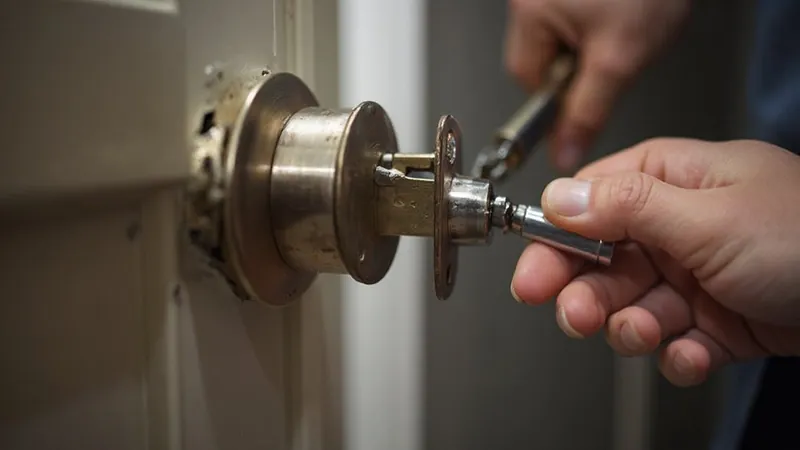
If you're locked out of your flat in Germany, your first instinct might be to panic—or to worry that a locksmith will damage your door and you'll lose your deposit. The good news: professional locksmiths use non-destructive techniques that can open almost any residential door cleanly, without breaking the frame, lock, or door itself. Understanding how they work can ease your mind and help you know what to expect when you call for help.
Whether you've lost your keys, forgotten them at the office, or your lock has jammed, a certified local locksmith has the skills and tools to get you inside safely. In Germany, where rental agreements (Mietverträge) often hold tenants responsible for lock damage, knowing that damage-free entry is possible is genuinely reassuring.
The Main Non-Destructive Techniques Locksmiths Use
Professional locksmiths prioritize methods that leave no trace. They start by assessing your lock type—whether it's a standard pin-tumbler lock, a mortise lock (common in older German buildings), a Euro-cylinder, or a modern digital lock—and choose the right approach.
- Lock picking: Using fine tension tools and picks, the locksmith manipulates the pins inside the lock to the correct height, mimicking the action of your key. This works on many traditional locks and takes skill but no damage.
- Bumping: A specially cut key blank is inserted and struck gently, causing pins to jump to the shear line. It's quick and silent, though not effective on all modern locks.
- Raking: A tool is rapidly scraped inside the lock cylinder, sometimes setting pins by chance. It's less precise but non-destructive.
- Impressioning: A blank key is inserted, marked by the lock's internal features, then filed and reinserted until it works. Slower but effective for unusual or damaged locks.
- Shimming: A thin metal strip is used to release spring bolts without engaging the lock itself. Effective on many simple latches.
A skilled locksmith will try these techniques in sequence, starting with the quietest and quickest. Most residential doors in Germany can be opened within 15 to 30 minutes using these methods alone.
When Damage-Free Entry Isn't Possible—and What Happens Next
Occasionally, a lock is too worn, broken, or modern to open non-destructively. If the locksmith has tried multiple techniques and the lock won't budge, they will explain this to you and ask your permission before proceeding. In Germany, this is important: if you're a tenant, your Vermieter (landlord) often requires written notification of any lock damage, and your Hausrat (household contents insurance) may cover the cost of replacement.
If damage is unavoidable, the locksmith will typically drill out the cylinder—removing the lock mechanism by drilling through its centre. This destroys the old lock but preserves the door and frame. The door itself remains intact and secure. The locksmith will then either rekey an existing lock assembly or fit a new one, restoring full function. They will provide a written order form explaining what was done and why, which you can show your landlord or insurance company.
For flats in German buildings with a Hausmeister (building manager) or central locking system, inform them before calling a locksmith. Some contracts specify that the Hausmeister must be present or notified. Checking your Mietvertrag beforehand can save time and potential disputes.
Tools and Equipment: What a Professional Brings
A certified locksmith carries a toolkit specifically designed for non-destructive work. This isn't a drill or crowbar—it's precision equipment.
- Lock picks and tension wrenches: Steel tools in various shapes, some no thicker than a paperclip, used to manipulate individual pins.
- Bump keys and raking tools: Pre-cut blanks and curved rods for alternative opening methods.
- Impression sets: Blank keys, files, and marking materials for impressioning.
- Shimming tools: Thin, flat metal strips for spring-bolt release.
- Borescopes and inspection mirrors: To see inside the lock and assess what technique will work best.
- Lubricants and penetrating oils: To free stiff locks without forcing them.
Only after exhausting non-destructive options will the locksmith use a drill—and then only with explicit permission. They carry power drills and replacement cylinders, but these are the backup plan, not the first move.
What You Should Know About Your Door and Lock in Germany
German residential locks and doors are often very well-made, which is good news for non-destructive entry. Most flat doors have a Euro-cylinder lock (Zylinderschloss)—a standardized rectangular cylinder that can usually be picked or bumped. Older buildings may have mortise locks, which are more complex but still openable without damage by an experienced locksmith.
Your lease often states that you are responsible for lock damage caused by your own negligence. However, a locksmith acting professionally is not negligence—it's a legitimate service. Keep any receipt or written explanation the locksmith provides; if you need to claim on your Hausrat-Versicherung (renter's insurance), or if your landlord questions the lock, you'll have documentation that the entry was professional and unavoidable damage was minimized.
If you're in a managed building, the front door may have a coded entry system or intercom. Locksmiths in Germany understand these systems and can often gain access to the stairwell and then to your flat door without touching the building entrance.
Why Speed and Professionalism Matter When You're Locked Out
Being locked out in Germany—especially if you're an expat or student unfamiliar with local services—can feel isolating and stressful. You may not speak fluent German, you might not know which locksmith to trust, and you're worried about cost and damage. This is exactly why Locksmith 24 exists: to connect you with a certified, reliable local locksmith via an English-speaking hotline.
A professional locksmith will arrive in a reasonable timeframe, assess your lock honestly, explain what they'll do and why, and carry out the work with minimal disruption. They have liability insurance (Haftpflichtversicherung) and follow German trade standards (Handwerkskammer). They won't force your door or take shortcuts. And if—in rare cases—damage is unavoidable, they'll explain it upfront and provide documentation.
If you're locked out of your flat, your office, or a storage unit in Germany, and you want the peace of mind that comes with professional, damage-minimizing service, call our English-speaking hotline. A certified local locksmith will be assigned to you, and you'll be back inside your home or workplace without unnecessary damage or stress.
Frequently asked
How long does it typically take a locksmith to open a door without damage?
Most residential doors can be opened non-destructively in 15 to 30 minutes. Complex or modern locks may take longer. The locksmith will give you an estimate once they've assessed the lock.
Will my landlord accept a non-destructive lockout by a professional locksmith?
In most cases, yes—a professional, damage-free entry is entirely legitimate and often covered by your renter's insurance (Hausrat). Keep the receipt and any written explanation from the locksmith to show your landlord if needed. Check your Mietvertrag to see if your landlord requires notification.
What if the locksmith says they have to drill my lock?
They should explain why (lock is broken, too modern, or worn) and ask your permission first. Request a written note explaining the reason. This protects you if your landlord asks questions later, and your insurance may cover the cost of a new lock.
Is lock picking the same as the illegal break-ins I see on TV?
No. When a licensed locksmith picks your lock with your permission at your property, it's a lawful professional service. The skill is the same, but the context and legality are completely different.
What should I do if I'm locked out and don't speak German fluently?
Call Locksmith 24's English-speaking hotline. They'll connect you with a certified local locksmith who can communicate with you and handle the job professionally. You won't have to navigate language barriers or trust random services.
Can a locksmith open a smart lock or digital lock without damage?
Modern smart locks are often openable non-destructively if the battery is dead or the system has failed, though the method depends on the lock's design. Tell the locksmith what type of smart lock you have when you call.