
The Key Won’t Turn in the Lock: Causes & Fixes
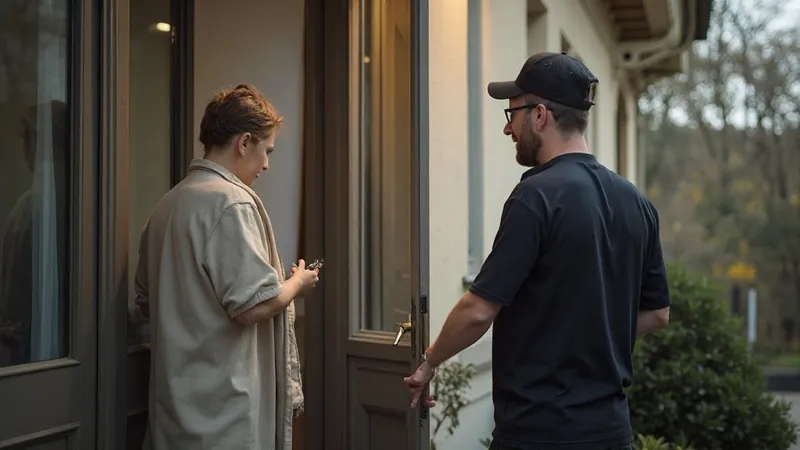
A key that won't turn in your lock is one of the most frustrating locksmith problems—and it can happen to anyone living in Germany, whether you're renting an apartment in Berlin, a flat-share in Munich, or a house in a quieter town. The good news is that it's rarely a catastrophe, and understanding what's causing it can help you decide whether you can fix it yourself or need professional help.
This guide walks you through the most common reasons a key gets stuck, what you can safely try at home, and when to call a locksmith. If you're locked out or the key is genuinely jammed, our English-speaking hotline can connect you with a certified local locksmith in your area—often same-day—so you're not stranded.
Why Your Key Won't Turn
A stuck key usually comes down to a few predictable causes. The most common is dirt and grime buildup inside the lock cylinder—dust, hair, skin cells, and debris accumulate over time, especially in older German apartment buildings where locks may not have been maintained regularly. If you're in a rental (Mietswohnung), your lock might simply be dirty rather than broken.
Another frequent culprit is a worn or misaligned key. If you've been using the same key for years, or if you've ever forced it too hard, the cuts on the key can wear down slightly, stopping it from engaging properly with the pins inside. Sometimes the lock barrel itself has shifted due to temperature changes or settling of the building—common in older properties.
Less often, the lock has internal damage: broken pins, rust, or a bent cylinder. This is more likely if the key suddenly stuck after an attempted break-in, or if moisture got into the mechanism.
What You Can Try First
Before calling anyone, there are a few safe steps you can take yourself. Do not force the key hard—that risks snapping it off inside the lock, which makes everything worse.
- Use graphite powder. This is the safest first move. Sprinkle a small amount of graphite powder (Graphitpulver) into the keyhole, insert the key gently, and work it back and forth a few times. Graphite lubricates without attracting dust like WD-40 does. You can buy it at any German hardware store (Baumarkt).
- Try the key in reverse. Sometimes inserting the key fully, then wiggling and slowly withdrawing it helps realign the pins.
- Clean the keyhole. Use a dry toothbrush or small brush to sweep out visible debris from the keyhole opening.
- Check the key itself. Look at it under good light. Is it bent? Has it been damaged? Try a spare key if you have one—this tells you whether the problem is the key or the lock.
- Avoid oil and WD-40. These attract dust and make the problem worse over time. Stick to graphite.
If the key still won't turn after these steps, the lock needs professional attention.
When You Need a Locksmith
If you're renting, mention the stuck lock to your Hausmeister (building superintendent) or Vermieter (landlord) as soon as possible—in many cases, they are responsible for maintaining locks under your Mietvertrag (rental agreement). However, if you need access urgently and cannot reach them, a locksmith can help immediately, and you can sort out costs with the landlord afterward (keep all receipts and invoices).
A certified local locksmith will diagnose the exact problem. They may be able to clean and free the lock on the spot, or they may need to remove and service the cylinder. In rare cases where the lock is beyond repair, they can replace it—though on a rental property, always inform your landlord first.
You should definitely call a locksmith if:
- The key is partially stuck and you cannot remove it safely.
- You suspect internal damage (the key turned once, then suddenly wouldn't again).
- You've tried graphite and gentle manipulation without success.
- The key has broken off inside the lock.
- You need to access your home urgently and graphite didn't work.
Preventing Future Lock Problems
Once you've resolved the current issue, a few simple habits keep locks in good working order. Use your key gently—never force it or jiggle it violently. Insert it smoothly, turn it slowly, and remove it the same way. This puts less stress on the internal pins and reduces wear.
Apply graphite powder to your lock every 6 to 12 months as preventative maintenance. This is especially important in Germany's climate, where temperature swings can cause slight movement in door frames and locks. If you live in an older building or your lock gets heavy use, maintenance matters even more.
Keep the outside of the keyhole clean and dry. If you notice moisture or condensation around your lock (common in bathrooms or entryways), wipe it away. And if you have a spare key, keep it somewhere safe but accessible—not in your flat where you might be locked out.
If your lock is original to an old building and has never been serviced, consider having a locksmith perform a routine cleaning and lubrication. It's inexpensive compared to dealing with a lock that seizes at the worst possible moment.
Getting Help Fast in Germany
If your key is stuck right now or you're locked out of your home, don't panic. Our English-speaking hotline at Locksmith 24 connects you with a certified local locksmith in your area—whether you're in a major city or a smaller town. They understand the layout of German apartments, rental regulations, and how to handle common issues like stuck locks without causing damage.
Simply call and describe your situation. The locksmith will give you a realistic timeframe (often same-day in cities) and explain what they'll do on a written order form when they arrive. There's no hidden surprise cost, and they're used to working with international residents who don't speak German.
Don't try to force a stuck key or pick a lock yourself if you're locked out—it's stressful, can cause damage, and a professional gets you back inside faster and more safely. That's what they're trained for, and it's worth the call.
Frequently asked
Can I use WD-40 or oil to unstick my key?
No—avoid oils and WD-40. They attract dust and debris, which makes the problem worse over time. Graphite powder is the safe, effective alternative. You can buy it at any German hardware store.
My landlord won't respond to my lock problem. What do I do?
If you cannot reach your Vermieter or Hausmeister in a timely manner and need access urgently, call a locksmith. Document everything (photos, invoices, dates) and discuss the cost with your landlord afterward. In many cases, the landlord is responsible for maintaining the lock under your rental agreement.
Is a stuck key always a sign the lock is broken?
Not necessarily. Dirty locks and worn keys are the most common causes, and a locksmith can often free the key and clean the mechanism without replacing anything. Only diagnostic inspection tells you if the lock itself is damaged.
What if my key breaks off inside the lock?
Do not try to fish it out yourself—you risk damaging the lock further. Call a locksmith immediately. They have tools to extract a broken key safely and will check whether the lock is still usable afterward.
How often should I maintain my lock?
Apply graphite powder every 6 to 12 months, more often in older buildings or if the lock gets heavy use. If you've never had a lock serviced and it's original to your building, a professional cleaning is a good idea.
Can the problem be the door frame rather than the lock?
Possibly. If the door has swollen or shifted due to temperature or moisture, the lock cylinder might be slightly misaligned. A locksmith can check this and adjust the door or cylinder if needed.