
Landlord Entered Without Permission: The Law
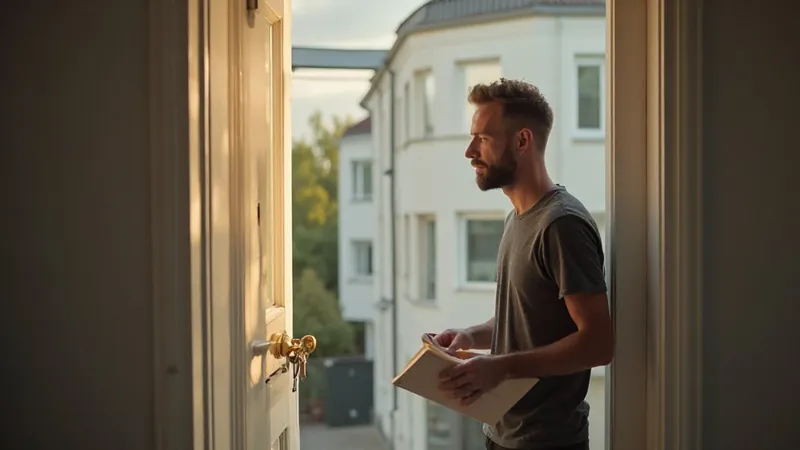
Your landlord has a key to your apartment—that's normal in Germany. What isn't normal is them using it whenever they like. Under German tenant law (the Mietrecht), your landlord cannot simply walk in without warning or good reason. If this has happened to you, you have rights, and understanding them—plus knowing when to change your locks or call for help—matters.
This guide walks you through what's legal, what's not, how to protect yourself, and what to do if an unauthorised entry has already occurred.
What German Tenant Law Says About Access
In Germany, your rented apartment is your home (Mietwohnung), and you have the right to 'Mieterfrieden'—peaceful, undisturbed tenancy. Your landlord (Vermieter) owns the building, but while you're the tenant, the space is yours to live in privately.
German law (BGB § 535–580, plus local rental laws) recognises only specific, narrow reasons for a landlord to enter:
- Maintenance or repairs – but only with at least 24 hours' notice, and only during reasonable hours
- Showing the apartment – to prospective tenants (usually only if you've given notice to leave), again with notice
- Inspections – to check the condition of the property, with advance warning
- Emergencies – a gas leak, fire, or burst pipe may justify immediate entry without notice
- Meter readings – with proper notice
The key word is notice. In nearly all cases, the landlord must announce the visit in advance—typically in writing, via email, or letter. No notice, no legal right to enter, no matter who holds the key.
Unauthorised Entry: What Counts as a Breach
An unauthorised entry happens when your landlord (or their agent, or a tradesperson they've sent) enters your apartment without your permission and without a legally valid reason and advance notice. Finding evidence of this can be upsetting and confusing.
Common signs you've had an intrusion include:
- The landlord or Hausmeister (caretaker) admits they entered without asking you
- You find disturbed items, open windows you'd closed, or changed thermostat settings on your Gas-Therme (boiler)
- Neighbours mention seeing them enter while you were out
- They mention checking something 'the other day' that you never authorised
- You notice your door lock has been tampered with or a spare key is missing
In German law, this violates your 'Hausrecht'—your right to control who enters your home. It's treated seriously by courts and can be grounds for a warning to the landlord, an injunction (einstweilige Verfügung), or even termination of the lease in repeated cases.
Can You Change the Locks? Your Legal Options
This is the question most tenants ask first. The short answer is: it's complicated, and depends on your lease (Mietvertrag) and what you want to achieve.
What you cannot do: You cannot permanently replace or disable the landlord's key without their written consent. If you do, you breach your lease and risk eviction (Kündigung).
What you can do:
- Add a secondary lock or chain – Many tenants install a door chain, bolt, or additional interior lock that you control. This is usually permitted because it doesn't prevent emergency access and you can remove it when you leave. Check your lease; most landlords don't object.
- Ask the landlord to change the locks and give you the only key – This requires written agreement. Some landlords will do this if there's been a breach of trust or if the original key has gone missing.
- Negotiate a new agreement – You could propose that the landlord leaves their key with the Hausmeister (building caretaker) or a local locksmith, to be used only with your permission or for genuine emergencies.
- Ask about a smart lock – Some modern locks allow temporary digital access codes. This isn't a standard solution, but it's worth asking if both parties are open to it.
If the landlord refuses reasonable measures and keeps entering without permission, you have grounds to take legal action or, in serious cases, terminate the lease yourself (Kündigung wegen Mietmangel—rental breach).
Steps to Take If Your Landlord Has Entered Without Permission
Don't panic, but do act. Here's a practical sequence:
- Document it. Write down the date, time, what you noticed, and any evidence (photos, messages, witness statements from neighbours). Keep this record.
- Confront calmly, in writing. Send an email or registered letter (Einschreiben) to your landlord stating that you did not grant permission for entry and reminding them of their legal duty to give notice. Be polite but firm. Keep a copy.
- Review your lease. Check the Mietvertrag for clauses about access, keys, and lock changes. Some leases are unclear or even contain invalid terms (German courts often strike down overly broad landlord access clauses).
- Check your insurance. If anything was stolen or damaged, your Hausrat (contents insurance) or Haftpflicht (liability insurance) may cover it. File a report with the police if theft is involved.
- Consult a tenant advisor or lawyer. In most German cities, there's a Mietverein (tenant association) that offers free or cheap legal advice. Many have English-speaking staff or can refer you.
- Consider a lock change. If the breach was serious or repeated, adding a secondary lock (with landlord approval, or in the lease) is reasonable. A certified local locksmith can advise on the best option and ensure it complies with your lease.
When to Call for Immediate Help
If your landlord has entered without permission and you're unsure of your next move—or if you need a lock changed, upgraded, or advice on what's legally safe to do—professional guidance is worth it.
Our English-speaking hotline connects you with a certified local locksmith in your area who understands German tenant law and can visit on the same day if needed. They'll assess your door, discuss what changes are permitted under your lease, and explain your options clearly. Whether you want a secondary lock fitted, the main lock rekeyed, or just honest advice on what to do, a locksmith can help you feel secure again—and protect your rights.
Don't leave this unresolved. Call us now if you need urgent support.
Frequently asked
Can my landlord enter for an emergency without notice?
Yes. A genuine emergency—gas smell, fire, water flooding from your flat—allows immediate entry. But they must actually notify you afterwards and the entry must be genuinely necessary. Disputes over what counts as 'emergency' can be taken to court; if in doubt, contact a tenant advisor.
How much notice must the landlord give?
Usually 24 hours (or 3 days in some regions, check your local rental law). The notice should be in writing and state the reason, date, and time. A phone call 'tomorrow at 10 a.m.' is not enough.
If I add an interior lock without asking, can the landlord evict me?
It depends on the lease and the severity. A simple chain or bolt that doesn't prevent legitimate access is usually tolerated. But a full replacement lock that locks the landlord out without emergency override could breach the lease. Always check your contract first or ask the landlord.
What if the Hausmeister enters without the landlord's knowledge?
The landlord is responsible for their caretaker's actions. If the Hausmeister entered without permission, the breach falls on the landlord. Document it and report it to the landlord in writing.
Can I claim damages for an unauthorised entry?
You can claim compensation (Schadensersatz) for any actual losses—theft, damage, or emotional distress in serious cases—but you'll likely need to prove the breach in writing or in court. A lawyer or tenant advisor can advise on whether it's worth pursuing.
Do I need landlord permission to change the lock myself?
Yes. You cannot change the main lock without their written consent. You can add a secondary lock (chain, bolt) if your lease permits it, but the main lock must stay under the landlord's control in case of emergency. Always clarify in writing first.