
Locked Out at Night in Germany: Who to Call
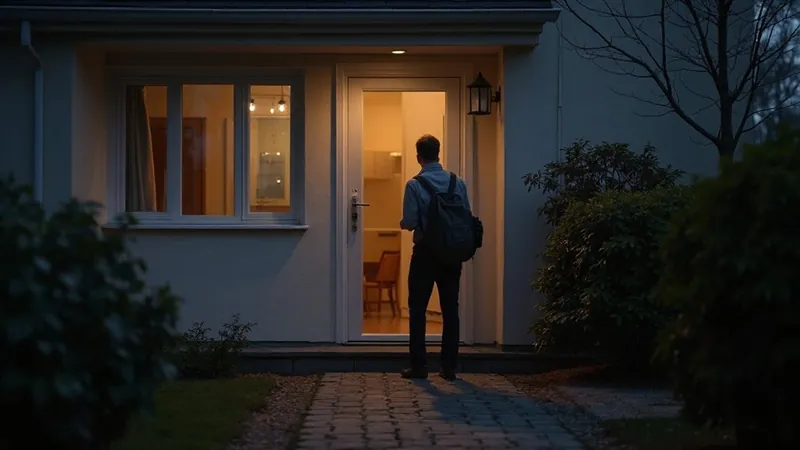
It's 2 a.m. and you've just realised your keys are inside your flat. You're standing outside in the cold, and you don't speak German fluently enough to explain your situation to a stranger on the phone. This is stressful, but you're not alone—and there are reliable ways to get help right now.
In Germany, a locksmith emergency at night is handled differently than in many other countries. You won't call the police, and you won't wait until morning. Instead, you'll contact a certified locksmith (Schlüsseldienst) who operates 24/7. The key is knowing who to call and what to expect so you can get back inside quickly without confusion or surprise costs.
Why You Need a 24-Hour Locksmith, Not Emergency Services
In Germany, the police (Polizei) do not unlock doors for lockouts. The fire service (Feuerwehr) may help if there's immediate danger—for example, if a child is locked inside—but a simple lockout is a civil matter, not an emergency. That leaves you with one practical option: a certified locksmith.
A certified locksmith (Schlüsseldienst) is trained, insured, and legally registered. They carry the tools needed to open your door without damaging it, or they will drill the lock professionally if entry is the only option. Many operate around the clock, including nights, weekends, and public holidays in Germany.
- Police handle crimes and safety emergencies, not lockouts
- Locksmiths are the standard and fastest solution for locked-out residents
- Night calls are normal and expected; locksmiths are used to 2 a.m. requests
- A reputable service will have English-speaking staff or translators available
What to Have Ready Before You Call
When you ring a locksmith in the middle of the night, a few details speed things up. Have your address ready—the full street name, house number, flat number, and postcode. If you're renting, know your landlord's (Vermieter) name and contact number; some locksmiths will verify your tenancy before opening the door, and a landlord's confirmation can speed up the process.
Also useful: proof that you live there. Your passport, residence registration (Anmeldung), or a utility bill with your name and address helps confirm you're not trying to break in somewhere you don't belong. Locksmiths take security seriously and may ask to see identification.
- Full address including flat number and postcode
- Your ID (passport or German residence permit)
- Landlord's contact details if you rent
- A utility bill or tenancy agreement showing your name and address
- Information about the type of lock (if you know it) or door type
How the Locksmith Will Open Your Door
When the locksmith arrives, they will assess the lock and door. Modern locks in German flats often open without visible damage—the technician uses specialised picks or mechanical techniques. If the lock is old or tamper-resistant, they may need to drill it out. This is normal and legitimate; your landlord's insurance (often Hausrat-Versicherung, contents insurance) may cover accidental lockouts.
The locksmith will explain what they're doing and confirm the method before starting. They work methodically and professionally, not hurriedly. The whole process usually takes 15 to 45 minutes, depending on the lock type and door construction.
On site, you will receive a written order form (Auftragsformular) that lists the work done, any materials used, and the cost breakdown. This is your receipt and proof of the emergency call. Keep it for your landlord, your insurance claim, or your records.
Understanding Costs and Payment
Locksmith costs in Germany vary by region, time of day, and lock complexity. A night call will cost more than a daytime call; emergency surcharges are legal and standard. You won't know the exact fee until the locksmith arrives and assesses the job, but they must show you a written quote before starting work (or explain costs clearly on the order form afterwards).
Always ask to see the written order form with itemised costs. Payment is usually by card or cash, and reputable locksmiths accept both. Do not agree to a job without understanding what you're paying for.
If you rent, check your tenancy agreement (Mietvertrag). In many cases, your landlord may cover the cost if you've lost your keys through no fault of your own, especially if the lock wasn't damaged. However, if you were careless or locked yourself out repeatedly, the landlord might charge you. Always notify your landlord within 24 hours so there are no misunderstandings.
Getting Help Now: Call an English-Speaking Locksmith Service
If you're locked out right now, don't panic and don't try to force the door yourself. You could damage the lock permanently and face repair costs from your landlord. Instead, reach out to an English-speaking locksmith hotline that serves expats and international residents in Germany.
When you call, explain that you are locked out, give your address clearly, and let them know you need an English speaker or that you don't speak German. A professional service will dispatch a certified local locksmith to your location and provide you with estimated arrival times. You'll have a trained professional on your side, and you won't have to navigate a German conversation when you're stressed and tired.
The sooner you call, the sooner a locksmith can arrive and get you back inside safely and securely. That's what they do, every night, all year round.
Frequently asked
Can I call the police if I'm locked out in Germany?
The police will not help with a lockout unless there's immediate danger—for example, a child or elderly person trapped inside. For a standard lockout, you must contact a certified locksmith. This is the normal and legal procedure in Germany.
Will the locksmith damage my lock or door?
A professional locksmith will attempt to open the lock using non-destructive methods first. If the lock must be drilled, they will tell you before starting. The method depends on the lock type; modern locks often open without visible damage.
Who pays for the locksmith if I'm renting?
This depends on your tenancy agreement and the reason for the lockout. In many cases, tenants pay if the lockout was their fault (lost keys), but your landlord's contents insurance (Hausrat) sometimes covers emergency lockouts. Check your contract and contact your landlord within 24 hours to clarify.
How long will the locksmith take to arrive at night?
Response times vary by region and current demand, but locksmiths operating 24/7 usually arrive within 30 minutes to one hour. When you call, ask for an estimated arrival time. Night calls are routine for them.
What documents should I show the locksmith?
Show your ID (passport or residence permit) and anything proving you live there—a utility bill, tenancy agreement, or residence registration (Anmeldung). If you rent, having your landlord's contact details is also helpful so they can verify your tenancy if needed.
What if I don't speak German well enough to explain my situation?
Call an English-speaking locksmith referral service. They will have staff who speak English and can communicate clearly with the local locksmith on your behalf, so you don't have to manage the conversation yourself while stressed and locked out.