
Locked Out With No Phone or Cash: What to Do
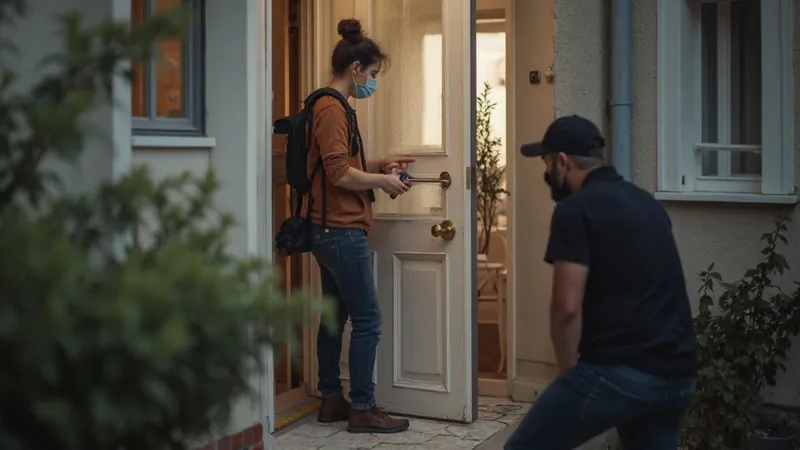
Being locked out of your apartment or home is stressful enough—but when you have no phone and no cash, the situation can feel overwhelming, especially if you're new to Germany and unfamiliar with how things work here. The good news is that you have practical options, and you are not stuck. This guide walks you through what to do right now, how to contact help without a phone, and how to avoid this situation again.
Germany has a well-established system for emergencies like this. Whether you need to reach a locksmith, contact your landlord (Vermieter), or find a safe place to wait, there are steps you can take immediately—even without cash or a charged phone.
Immediate steps: stay calm and assess your situation
First, take a breath. You are not alone, and there are people around you who can help. Start by identifying exactly what you need:
- Are you locked out of your flat or a shared building entrance? If the building has a lobby or shared hallway, you may be able to access a phone or wait for a neighbour.
- Is it daytime or nighttime? During business hours, more people and services are available to help.
- Do you have any form of ID on you? A passport or ID card will help prove you live there when you speak to your landlord or a locksmith.
- Are you in a safe location? If you feel unsafe waiting outside, go to a nearby café, shop, or public building where you can ask to use a phone.
These questions help you prioritize your next move and stay focused.
How to contact help without a phone or money
No phone and no cash seems like a dead end, but it is not. Many people and places around you can provide access to communication:
- Ask a neighbour or passer-by. Knock on a nearby door, or politely approach someone in the street. Explain your situation briefly: 'I am locked out of my apartment and need to use a phone.' Most people will lend you a phone for a quick call. Germany is generally helpful in such situations.
- Go to a café, shop, or petrol station. These businesses often allow you to use their phone for a brief local call, especially in an emergency. A petrol station (Tankstelle) or supermarket is almost always nearby and open late.
- Visit your local police station (Polizei). If you cannot find another way to make a call, police stations have phones and staff trained to help in emergencies. They can help you contact your landlord or a locksmith. You do not need to speak German fluently—many officers speak English, and if not, they can use a translation service.
- Use a payphone if available. Many German train stations, post offices, and public buildings still have coin-operated or card-operated phones. Check if you have any coins in your pockets, or ask someone to help you find one.
- Contact your landlord (Vermieter) directly. If you know your landlord's number and can borrow a phone, call them first. In many rental situations in Germany, the landlord or Hausmeister (building manager) has a spare key and can let you in.
When you reach your landlord or get to a locksmith
Once you have access to a phone, here is what to expect:
- Call your landlord (Vermieter) first. Many German rental contracts include a clause allowing the landlord or Hausmeister to keep a spare key. They may be able to meet you within an hour or send the building manager. This is often faster and simpler than calling a locksmith.
- If your landlord is unavailable, you need a locksmith. A certified local locksmith can open your door professionally. When you call, explain that you are locked out. The locksmith will likely ask for proof that you live there (your ID or rental contract) and may ask you to sign a work order on site. They will explain the cost in writing before they proceed.
- Be prepared to wait. Emergency locksmiths in Germany usually arrive within 30 minutes to two hours, depending on how busy they are and where you live. In Berlin or Munich, response times are faster; in smaller towns, it may take longer.
- You do not need to have cash immediately. Most locksmiths accept bank transfers, card payments, or can work with your landlord's insurance (Haftpflicht or Hausrat). Ask about payment options when you call—do not assume you must pay on the spot.
What to do while you wait: stay safe and comfortable
You may have to wait outside or in a lobby for 30 minutes to an hour. Make sure you are safe and reasonably comfortable:
- Stay in a well-lit, populated area. Do not wander far from your building entrance. If it is cold or rainy, wait in a nearby café or shop (they may let you sit inside if you explain your situation).
- Keep your ID with you. When the locksmith or landlord arrives, you will need to prove that you live there.
- Write down your address and phone number on a piece of paper if you can borrow pen and paper. If you are waiting in a shop, this helps the locksmith or landlord find you if there is any confusion.
- Ask someone to stay with you if possible. A friend, neighbour, or even a shop employee can keep an eye out for the locksmith while you rest.
Prevent this happening again: practical steps for the future
Once you are back inside, take steps to avoid being locked out again, especially without your phone and cash:
- Keep your phone charged. Invest in a small portable power bank (available at any supermarket or electronics shop). This costs only a few euros and means you can always make an emergency call.
- Leave a spare key with a trusted neighbour or friend. In Germany, this is a common and sensible arrangement. Many people also keep a spare with their employer or in a secure location outside the flat.
- Ask your landlord if they hold a spare key. This is standard in many German rental agreements. Knowing that your Vermieter or Hausmeister has one gives you peace of mind.
- Consider a keypad lock or smart lock if you rent. Check your Mietvertrag (rental contract) first, as some landlords do not allow these. If permitted, a keypad entry system means you never rely on a physical key alone.
- Keep a list of emergency numbers visible. Write down your landlord's number, a trusted friend's number, and the number for an English-speaking locksmith service. Keep a copy on your fridge and in your wallet.
- Always carry a phone and a small amount of cash. Even 5–10 euros in coins can be the difference between a quick phone call and hours of stress.
If you find yourself locked out right now with no phone and no cash, remember: reach out to a neighbour, visit a nearby shop or café, or walk to a police station. Once you can make a call, contact your landlord first. If that does not work, an English-speaking locksmith can help. Do not panic—this happens to many expats and residents in Germany, and there is always a solution. When you are ready to contact a certified local locksmith and need someone who speaks English, our hotline is here to connect you with a trusted professional who can get you back inside quickly and safely.
Frequently asked
Can I call a locksmith if I have no money?
Yes. When you call, explain your situation. Most locksmiths accept bank card payments and can arrange payment on the spot or afterward. Your landlord's insurance (Haftpflicht) may also cover the cost, so ask the locksmith about that. Never let lack of cash stop you from calling for help.
Is it cheaper to call my landlord than a locksmith?
Yes, often much cheaper. If your landlord or Hausmeister has a spare key, they can let you in for free or a small fee. Always try your landlord first before contacting a locksmith. Check your rental contract (Mietvertrag) to see if they usually hold a spare key.
How long does it take for a locksmith to arrive?
In Germany, a certified locksmith typically arrives within 30 minutes to two hours, depending on location and how busy they are. In large cities like Berlin or Frankfurt, response is often faster. Ask for an estimated arrival time when you call.
What should I bring when the locksmith arrives?
Bring your ID (passport or German ID card) and your rental contract (Mietvertrag) if you have a copy. These prove you live there. If you have received a work order form by email, bring that too. The locksmith will explain everything in writing before opening the door.
Can I use a police station phone if I am locked out?
Yes. Police stations (Polizei) have phones and staff trained to help in emergencies. You can go there and ask to use their phone to contact your landlord or a locksmith. This is free and available 24 hours a day.
What if I cannot reach my landlord and have no way to pay a locksmith?
Explain your situation to the locksmith when you call. Many will work with you on payment arrangements or can contact your landlord to verify you live there. Some will accept payment by bank transfer or card after they open the door. Be honest about your situation—locksmiths deal with this regularly.