
Locked Out of Your Office or Shop
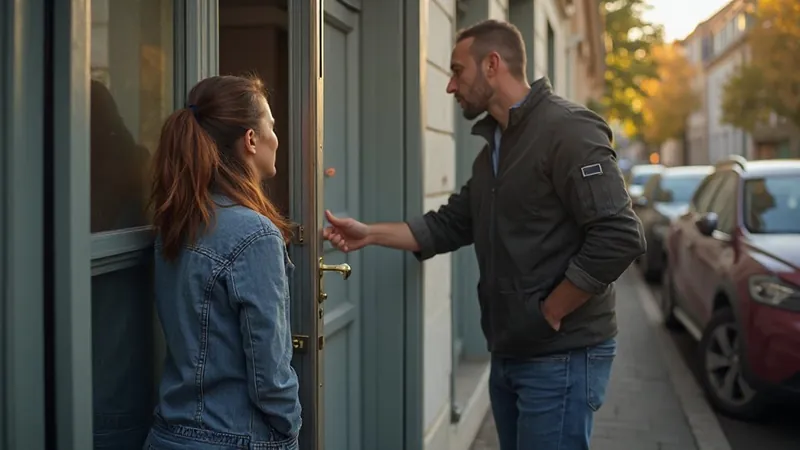
Being locked out of your office or shop in Germany can disrupt your entire day—and your business. Whether you've left keys inside, the lock is faulty, or a staff member has the only copy, you need fast, reliable help. A certified local locksmith can get you back in within the hour, without forcing doors or causing damage.
This guide walks you through what to do when you're locked out, what to expect from a locksmith visit, and how to prevent it happening again. Most importantly, we'll explain how our English-speaking hotline connects you to vetted professionals who understand the German business context.
Immediate steps when you're locked out
Stay calm and assess the situation. Check whether any windows or side doors are accessible—but do not attempt to force entry yourself, as this can damage the building and create liability issues. If it's a rented office space (common in Germany for startups and small businesses), contact your landlord or the Hausmeister (building manager) first; they may have a spare key or their own locksmith on contract.
Once you've done that, document the time and situation. Take a photo of the locked door and any relevant signage. If customers or staff are waiting outside, let them know what's happening. Then call our English-speaking hotline immediately. The sooner you reach out, the sooner a certified locksmith can be dispatched to your location.
- Check with your landlord or building manager first—they may hold a spare
- Do not attempt to force the lock or break glass
- Document the situation with photos and a brief note of the time
- Have your address and building details ready when you call
- Inform staff and customers of the situation if you're running a shop
What a locksmith will do at your office or shop
A certified local locksmith will arrive with professional equipment designed to open locks without damaging them. On arrival, they'll ask for proof that you have the right to enter—this is standard practice in Germany and protects both you and the locksmith. A valid ID, employment contract, or business registration document is usually sufficient.
The locksmith will then examine your lock type. Most office and shop doors use either a cylinder lock (Zylinderschloss) or a mortice lock (Einsteckschloss). Modern locks can often be opened without damage in 15 to 30 minutes. Older or more complex systems may take longer. The locksmith will explain their approach and confirm they can work on your specific door before starting. Once inside, they'll test the lock to ensure it still functions properly.
- Bring photo ID and proof you have the right to enter the premises
- The locksmith will assess the lock type before beginning work
- Opening typically takes 15–45 minutes depending on the lock
- You'll receive a written order form detailing what was done
- Ask for a receipt and keep it for your records and insurance
Costs and what affects the price
The cost of a locksmith visit depends on several factors: the lock type, how long it takes to open, whether it's during business hours or an emergency call, and your location within Germany. The local locksmiths provide a written order form on site showing exactly what work was carried out, so you know what you're paying for and can claim it back on your business insurance or expense account if applicable.
In many cases, business insurance (Haftpflicht or Betriebshaftpflicht) or your landlord's building insurance covers lockout costs, especially if damage is avoided. Check your policy or ask your landlord—German tenancy law often places responsibility on the Vermieter (landlord) for access to common areas. If you're locked out of a private office within a larger building, the landlord may cover the cost. Always keep your receipt and documentation for insurance claims.
- Cost is calculated based on lock type, complexity, and time of day
- You receive a detailed written order form on site
- Many business and landlord policies cover locksmith costs in Germany
- Keep receipts for tax deduction and insurance reimbursement
- Emergency or after-hours calls may have additional fees
Preventing future lockouts at your business
The best solution is to prevent lockouts altogether. If you're renting an office or shop in Germany, ask your landlord or Hausmeister to keep a spare key in a secure location. Document this arrangement in writing, or add it to your Mietvertrag (tenancy agreement) if possible. For shared buildings, the building manager often holds master keys or can arrange emergency access for tenants.
For your own security, consider practical measures: assign key responsibility to at least two staff members so no single person holds the only copy, use a key safe (Schlüsseltresor) mounted outside your door with a secure code, or install an electronic lock (Elektronisches Schloss) that opens with a code or smartphone app. Many modern offices in German cities are switching to these systems for convenience and security. If you share the space with other businesses, establish clear protocols about who has keys and when.
- Ask your landlord or Hausmeister to keep a spare key safely
- Assign key responsibility to at least two trusted staff members
- Use a coded key safe outside the door (with landlord permission)
- Consider upgrading to an electronic or smart lock for future flexibility
- Document all key holders and backup access arrangements in writing
Why call our English-speaking hotline for urgent help
When you're locked out of your office or shop, language barriers and unfamiliar German processes can make stress worse. Our English-speaking hotline takes the complexity out of finding and communicating with a certified local locksmith. We understand the urgency of business interruption and the need for professional, trustworthy service without the runaround.
The hotline connects you directly to vetted locksmiths who know how to handle commercial lockouts across Germany. They'll explain the process clearly, give realistic time estimates, and keep you informed every step of the way. Whether it's a Monday morning crisis or a weekend emergency, we're here to reconnect you with your business as quickly as possible. Don't waste time searching online or struggling to communicate with local services in German—call our hotline now and let us handle it for you.
- English-speaking support from the moment you call
- Direct connection to certified, vetted locksmiths in your area
- Professional service without language barriers or confusion
- Available for urgent business lockouts across Germany
- Transparent pricing and clear communication throughout
Frequently asked
Do I need proof that I own or work at the business to let the locksmith in?
Yes. German locksmiths always ask for ID and proof of authorization (like an employment contract, business registration, or lease agreement) before opening a commercial door. This protects both you and the locksmith. Have these documents ready when they arrive.
What if I'm locked out of my office in a shared building—is my landlord responsible?
Often, yes. In many cases your Vermieter (landlord) or the building manager (Hausmeister) holds spare keys and covers emergency locksmith costs for common access areas. Check your Mietvertrag (lease) or contact them first before calling a locksmith.
How long does it typically take to open an office or shop door?
Most modern locks can be opened in 15 to 30 minutes without damage. Older, more complex, or heavy-duty locks may take longer. The locksmith will assess the lock on arrival and give you a realistic estimate.
Can I claim the locksmith cost on my business insurance?
In many cases, yes—especially if your policy includes Betriebshaftpflicht (business liability) or if the landlord's building insurance applies. Always keep the receipt and written order form, and check your policy or ask your landlord whether lockout costs are covered.
What's the best way to avoid being locked out of my office again?
Assign key responsibility to at least two staff members, ask your landlord to keep a spare key securely, or install a coded key safe outside your door (with permission). For maximum flexibility, some modern offices in Germany use electronic locks that open with codes or apps.
Is there an extra charge for evening, weekend, or emergency locksmith calls?
Many locksmiths do charge extra for calls outside standard business hours or on weekends and public holidays in Germany. The locksmith will explain this on your written order form once they've assessed the job.