
Locked Out With a Child or Pet Inside: Act Fast
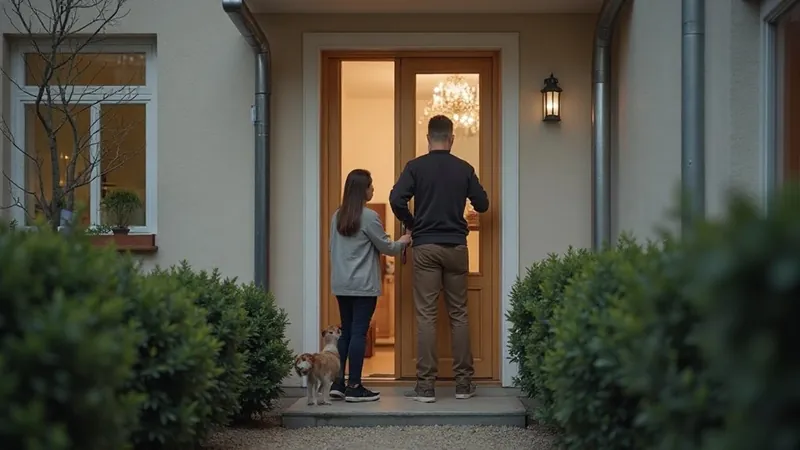
Being locked out of your home is stressful enough—but when a child or pet is inside, it becomes urgent. In Germany, you have legal protections and practical options that work quickly. This guide walks you through what to do right now, who to call, and what to expect when you need to get back in fast.
The key is to act calmly and systematically. German emergency services are well-organised, and a certified locksmith can usually reach you within 30–60 minutes in urban areas. Don't attempt to force entry yourself; it damages the door, may harm what's inside, and can create liability issues with your landlord or insurance.
Immediate steps: safety first
Your first action depends on what you see and hear through windows or doors.
- Check the child or pet: Can you see them? Are they crying, panting, or in visible distress? Look through windows, check other doors and ground-floor access points. Don't assume the worst—children and pets are often calmer than adults expect.
- Open a window or unlock a door if you can: Some windows can be opened from outside by a neighbour or family member. If you have a spare key nearby or a trusted neighbour has one, retrieve it now. Do not break glass yourself.
- Call the police (110) only if there's immediate danger: Extreme heat, a very young child alone, or signs of injury warrant a police response. Otherwise, police typically cannot force entry for a lockout—they'll refer you to a locksmith anyway.
- Notify your landlord or Hausmeister (building manager): If you rent, your Mietvertrag (tenancy agreement) may give the landlord or building manager a spare key or the right to access. Call them immediately. They may keep a master key or know how to reach a keyholder.
Why German locksmiths are your fastest option
In Germany, certified locksmiths (Schlüsseldienste) are licensed, insured, and trained for exactly this scenario. They carry equipment to open doors without damage whenever possible, and they understand German building standards and rental law.
- They work 24/7: Unlike many tradespeople, locksmiths operate round the clock and respond to emergencies. An English-speaking hotline can connect you to a local locksmith who will prioritise your case.
- Legal entry is their job: A certified locksmith has the right tools and insurance to open your door legally. They won't trespass, and they leave a paper trail—important if your landlord or insurance needs proof later.
- They know landlord rules: German law (BGB, the civil code) protects tenants and landlords alike. A professional locksmith respects the Mietvertrag and will contact your landlord if needed. You won't be blamed for damage or unauthorised entry.
- Speed matters: In summer heat or cold winter, every minute counts. A locksmith arriving within an hour is faster and safer than waiting for a spare key to be brought across the city, or calling family members who may be at work.
What happens when the locksmith arrives
When you call an English-speaking locksmith service, describe your situation clearly: child or pet locked inside, your address, and whether you rent or own. They'll ask for proof of residency (ID, tenancy agreement, or utility bill) to confirm you live there.
- Initial assessment: The locksmith will inspect your door and locks. They'll often try non-destructive methods first—lock picking, bump keys, or shimming—which take minutes and leave everything intact.
- Damage and cost: If non-destructive methods don't work, the locksmith will explain what needs to happen (for example, drilling the lock) and show you a written order form on site before proceeding. This transparency is standard in Germany and protects you if you need to claim on insurance later.
- Proof of entry: The locksmith provides a receipt with their company name, time of arrival, methods used, and any damage. Keep this for your insurance (Hausratversicherung if you own, Haftpflichtversicherung if renting and liable) or to show your landlord.
- After entry: Once inside, check the child or pet immediately. If anyone needs medical help, call 112 (emergency medical services). The locksmith will help you secure the door again and advise whether you need lock repair or replacement.
Insurance, rent, and German landlord law
In many cases, your insurance or landlord may cover locksmith costs—but not always. Understanding where liability sits protects you later.
- Owner-occupants: If you own your home, this is usually a Hausratversicherung (household contents insurance) claim or your home insurance. Some policies cover locksmith call-outs; check your documents or contact your insurer (Versicherung) while waiting for the locksmith. You'll need to submit the receipt.
- Tenants: In a rental, the situation depends on how you were locked out. If you left the key inside (your responsibility), the cost is typically yours. If the lock malfunctioned or the landlord changed locks without giving you a key, the landlord often covers it. Many rental agreements mention this; if in doubt, ask your landlord after the fact. Haftpflichtversicherung (liability insurance) sometimes covers accidents, but usually not lockouts due to user error.
- Landlord cooperation: Your landlord or Hausmeister should help, not hinder. German law expects them to maintain access and assist in genuine emergencies. Document everything—calls made, times, names—in case of a dispute later.
Prevention and what to do next
Once you're back inside, prevent this from happening again. Small changes save stress and cost.
- Spare keys: Give a trusted neighbour or friend a spare key in a sealed envelope, clearly marked. Do not hide keys outside (under mats, in flowerpots)—they're too easy to find and compromise security.
- Automatic locks: Some renters ask their landlord about upgrading to a self-closing door handle or keypad entry. This isn't always permitted, but it's worth discussing if lockouts are frequent.
- Key finder devices: Attach a small GPS or Bluetooth tracker to your keychain. If you're out and realise you've locked yourself out, you can often guide someone to your keys (even in your bag inside the flat).
- Schedule lock maintenance: If your lock jammed or failed, contact a locksmith for a check-up. Preventive service is cheaper than emergency call-outs and means your lock won't fail when a child or pet is inside.
When you're in this situation, don't delay or panic. A certified local locksmith is your fastest, safest, and legally sound option in Germany. Our English-speaking hotline connects you to a locksmith who understands expat life and German renting rules—call now if you're locked out with someone inside.
Frequently asked
Will I get in trouble with my landlord for calling a locksmith?
No. In Germany, emergency locksmith call-outs are a legitimate, legal way to regain access to your home when a child or pet is inside. Provide your landlord with the receipt and explain the situation; most will understand. If you rent, inform them as soon as possible so they're not surprised.
How long does a locksmith typically take to arrive?
In most German cities, a certified locksmith arrives within 30–60 minutes of your call. In rural areas or very late at night, it may take longer, but emergency locksmiths prioritise cases involving children or pets. Give your full address and postcode when you call.
What if my lock is damaged and I can't lock the door again afterward?
The locksmith will advise you on the spot. Many locks can be picked or bumped without damage. If damage is unavoidable, the locksmith explains it in writing first. You can then contact a lock repair specialist (often the same company) or your landlord to arrange replacement.
Can I claim this on my Hausratversicherung (household insurance)?
It depends on your policy. Some policies cover locksmith emergencies; others don't. Check your documents or call your insurer immediately. Keep the locksmith's receipt for the claim—you'll need to submit it with proof of payment and your policy number.
Is calling the police faster than a locksmith?
No. German police (110) do not force entry for lockouts; they prioritise crime and danger. They'll refer you to a locksmith anyway. Call police only if you see signs of injury, extreme distress, or genuine emergency. For a lockout with a child or pet, call a locksmith directly.
What should I do if my child or pet seems unwell after I get them out?
Call 112 (emergency medical services for humans) or your veterinarian immediately, even if they seem okay. Document any distress, breathing difficulty, or unusual behaviour and report it to the medical professional. This is especially important if the lockout lasted more than a few minutes in hot or cold weather.