
A Locksmith Call-out: What to Expect Step by Step
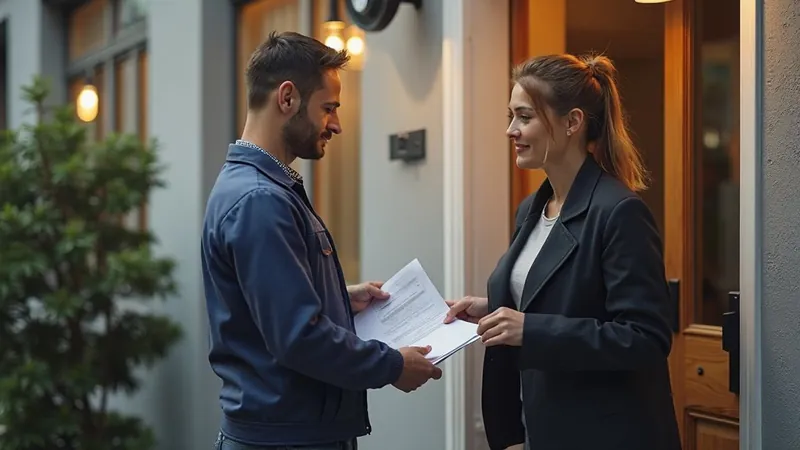
You've lost your keys, broken a lock, or locked yourself out of your flat in Germany, and now you need to call a locksmith. It's natural to feel uncertain about what happens next, especially if you're new to the country and unfamiliar with how the service works. Understanding the step-by-step process—from your first call through to the locksmith leaving your door—helps you stay in control, ask the right questions, and avoid surprises.
This guide walks you through a typical locksmith call-out in Germany, explaining what to expect at each stage, what you should prepare, and how to protect yourself from unnecessary costs or poor service.
Before You Call: Gather Your Information
Before dialling, take a moment to prepare. Have your address ready—including your postcode (Postleitzahl)—and a brief description of the problem. Can you not find your keys, or is the lock damaged? Are you locked out of your flat, a room, or a garden shed? Is it a standard pin-tumbler lock or a more complex electronic or high-security lock? The more detail you give, the faster the locksmith can assess whether they can help and roughly how long it might take.
- Write down your full address, postcode, and any building access details (buzzer code, gate pin, which floor).
- Note whether you rent or own, and whether your landlord (Vermieter) needs to approve any damage or lock changes.
- Have your phone number ready so the locksmith can contact you if they cannot find your building.
- If it is extremely urgent (say, you are locked out in winter with young children), mention this when you call; it may affect response time.
Making the Call and Receiving a Time Window
When you call an English-speaking locksmith hotline in Germany, the dispatcher will ask you to describe your situation and your location. They will then contact a certified local locksmith in your area and arrange a call-out. You will normally be given a time window—often 30 minutes to two hours depending on demand and distance. In busy periods or remote areas, waits can be longer.
Ask the dispatcher for an estimated arrival time and clarify whether there is a call-out charge simply for attending (many locksmiths do charge this, separate from the work itself). If you are renting, it is sensible to inform your landlord or building caretaker (Hausmeister) that a locksmith is coming, both as courtesy and to avoid confusion or security concerns.
The Locksmith Arrives: Identity and Initial Assessment
When the locksmith arrives, they should have a clearly marked vehicle or uniform, and they must be able to show ID or a business certificate (Gewerbeschein). In Germany, qualified locksmiths are registered and often hold a master craftsperson qualification (Meisterbrief). Do not let anyone into your home or near your locks without confirming their identity first. This is your protection against fraud or theft.
Once you have verified who they are, the locksmith will examine the lock and door, ask clarifying questions about what you want (do you need the lock repaired, replaced, or just opened?), and explain what they can and cannot do. For example, if you rent, changing the lock often requires landlord permission; the locksmith will advise you on this.
- Always ask to see their ID or business credentials before they begin work.
- If you feel uncertain about them, you may ask them to wait while you call the hotline back to confirm their identity.
- Listen to their explanation of the problem and the solution they propose.
- Ask whether they need to damage the door or frame to open it—and what the repair cost might be.
Written Quote and Transparent Pricing
Before the locksmith starts work, they must provide you with a written order form (Arbeitsauftrag) that lists what they will do and the estimated cost. In Germany, this is a legal requirement. The form should break down labour time, materials (a new lock, if needed), and any call-out or travel fees. Do not agree to work that is not documented in writing.
Read this form carefully. If you do not understand any item or think a cost is unreasonable, ask for clarification or negotiation before signing. Once you sign, you are agreeing to pay for that work. If the job becomes more complicated than first thought (for example, a broken key fragment is stuck inside, or the lock is rare and requires specialist tools), the locksmith will inform you and may need to issue an updated quote. Legitimate locksmiths do not inflate charges unexpectedly; transparent communication is a hallmark of professional service.
Keep the order form and receipt for your records, especially if you need to claim the cost on your home insurance (Hausratversicherung) or offset it against your rent.
Work in Progress: What You Should Do
Once work begins, stay nearby and observe what is happening. You do not need to hover directly over the locksmith, but you should be present in your flat or building so you can ask questions and be ready to sign off when complete. The locksmith may ask you to step back for safety reasons or to maintain focus, and you should respect that.
Depending on the job, it might take 10 minutes (a simple non-destructive opening) or over an hour (extracting a broken key, picking a complex lock, or fitting a new cylinder). If it is taking much longer than estimated, ask the locksmith why and whether the cost will change.
- Remain in the flat or nearby, but give the locksmith space to work.
- If they need to go to their van for tools, let them; do not assume they have abandoned the job.
- If damage to your door or frame occurs, ask them to document it (photo or note on the order form) for insurance purposes.
- If you are uncomfortable at any point, you can ask them to stop and call the referral hotline for advice.
Job Complete: Inspection, Payment, and Final Documentation
When the locksmith finishes, test the lock with them present. Does it open and close smoothly? If you have a new key, try it. If a new cylinder or lock has been fitted, check that the door closes properly and the lock is secure. If something does not work, tell the locksmith immediately so they can correct it before they leave. Once you sign off, it is harder to claim the work was not done correctly.
Payment is typically in cash or by bank transfer (SEPA); confirm the method when they arrive. Ask for an itemised invoice (Rechnung) showing all labour and materials. If you are renting, keep this receipt in case you need to claim it back from your landlord or for your Hausratversicherung claim (depending on your policy).
Before the locksmith leaves, make sure you have a new set of keys if applicable, and clarify any warranty on the work. In Germany, a locksmith's work usually carries an implicit warranty of about six months; if the lock fails within that time due to faulty installation, the locksmith should repair or replace it at no extra cost. Always ask about this when you book.
If you need urgent, expert help at any stage of this process—whether you are unsure about a quote, concerned about a repair, or simply need to arrange a call-out quickly—contact our English-speaking hotline. We connect you with a certified local locksmith who will guide you through each step, answer your questions in English, and help you understand exactly what you are paying for.
Frequently asked
Will the locksmith damage my door to open it?
Not always. A skilled locksmith can often open a lock non-destructively using picking or bumping techniques. However, if the lock is damaged or blocked, or if the door has a security bar, some damage may be unavoidable. The locksmith will explain this before starting and document any damage on the order form.
What if I rent and my landlord has not approved a lock change?
In Germany, you cannot usually change a lock without your landlord's written permission (it is typically in your Mietvertrag). If you are locked out, the locksmith can open the door without permission in an emergency. For a permanent lock change, contact your landlord first. The locksmith will advise you on what is legally required.
Can I claim the locksmith cost on my home insurance?
This depends on your Hausratversicherung policy and the reason for the call. Theft or break-in is often covered; a lost key sometimes is not. Check your policy wording or contact your insurer. Either way, keep the invoice and proof of payment, as you will need it to submit a claim.
How long does a typical locksmith job take?
It varies widely: opening a simple lock may take 5–15 minutes, extracting a broken key might take 30 minutes, and fitting a new lock can take an hour. The locksmith will give you an estimate after they assess the job.
What is the difference between a locksmith and a handyman?
A certified locksmith (Schlosser) is trained and legally qualified to work on locks, safes, and security systems. A handyman can do general repairs but is not a specialist in locks. Always book a qualified locksmith for lock problems to ensure professional, safe work.
Can I pay with a card instead of cash?
Many locksmiths accept bank transfer (SEPA) or card payment, but some prefer cash. Always ask when you book or when they arrive. Confirm the payment method upfront so there are no surprises at the end of the job.