
The Locksmith Order Form (Auftrag): What You’re Signing
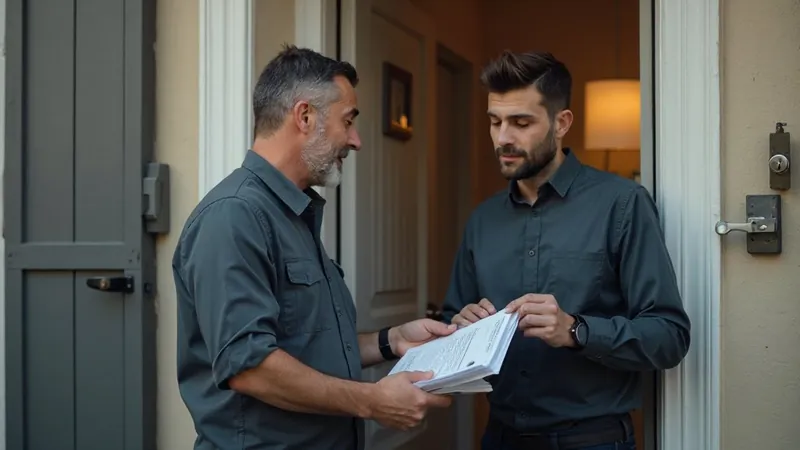
When a locksmith arrives at your door in Germany, one of the most important moments comes at the end: the order form, or Auftrag. This is your receipt, your protection, and your proof of what was agreed. As an expat or international resident, understanding what you're signing—and what you're not—can save you money, stress, and disputes later.
This guide explains the German locksmith order form, why it matters, what details should be on it, and what red flags to watch for.
Why the Order Form Matters
In Germany, a written order form is standard practice and legally important. It's not just a receipt—it's a contract between you and the locksmith. Before the locksmith leaves, you'll be asked to sign it. This document should clearly state what work was done, what materials were used, and what you're paying for.
For expats and international residents, the order form is especially valuable because it gives you a paper trail in your language. If there's ever a dispute with your landlord, your insurance company, or the locksmith themselves, you have written proof of what happened and what was charged.
- Proof of work: Shows exactly what the locksmith did (picked the lock, replaced the cylinder, fitted a new door handle).
- Material list: Details any parts that were installed (lock cylinder, keys, hinges).
- Cost breakdown: The only place you'll see itemised costs explained.
- Date and time: Confirms when the work was completed.
- Locksmith details: Name, business registration, phone number, and sometimes their craftsperson credentials (Handwerkskammer certification).
What Should Be on the Order Form
A proper German locksmith order form includes several key elements. Check these carefully before you sign:
- Description of the problem: How the locksmith found the lock (jammed, broken, key stuck).
- Work performed: Did they pick the lock, replace the cylinder, repair the mechanism? Be specific.
- Materials used: Lock cylinder brand and type, number of new keys, any other parts.
- Call-out fee and labour time: Itemised separately from parts.
- Total cost: The sum with VAT (Mehrwertsteuer) included. In Germany, this is usually 19% unless the work qualifies for a reduced rate.
- Payment method: Whether you pay cash, card, or bank transfer.
- Warranty or guarantee: Often a locksmith will guarantee their work for a period (commonly 6 to 12 months on parts).
- Your signature: You sign to confirm you accept the work and the price.
The form should be in clear language. If you don't understand something, ask the locksmith to explain it before you sign. This is your right, especially if German is not your first language.
Common Pitfalls and How to Avoid Them
Locksmith scams do happen in Germany, even in reputable cities. The order form is where you can protect yourself. Watch for these red flags:
- Vague descriptions: If the form just says 'service call' or 'repair' with no detail, that's suspicious. Ask for specifics.
- Inflated call-out fees: Some operators charge high attendance fees to surprise you. The total should match what was quoted—if it doesn't, question it on the spot.
- Charges for 'materials' that weren't used: If a lock cylinder is listed but you can see the original is still in place, don't sign.
- Missing company details: A legitimate locksmith will have their name, business number, and often Handwerkskammer registration on the form.
- No itemisation: A single total with no breakdown is harder to challenge. Always ask for line items.
- Pressure to sign quickly: Never be rushed. A professional locksmith expects you to read and ask questions.
Before the locksmith leaves, take a photo of the order form with your phone. Keep the original in a safe place, and consider emailing a copy to yourself.
Order Form and Your Insurance or Landlord
If you're renting in Germany, your landlord (Vermieter) and your household contents insurance (Hausratversicherung) may both care about what happened and how much it cost.
In many cases, if you've lost your key or the lock failed, your landlord is responsible for emergency repairs, not you. However, if you caused damage (say, by trying to force the door yourself), you might be liable. The locksmith's order form is crucial evidence of what actually occurred and what was genuinely broken.
Your insurance company may cover locksmith costs if you were locked out due to theft or damage. Most insurers will ask to see the order form before they reimburse you. Without it, reimbursement becomes very difficult. Keep it safe for at least a year, or longer if you think you'll claim.
Always check your Mietvertrag (rental agreement) and insurance policy beforehand. Many cover emergency locksmith call-outs, and some even have preferred locksmiths they recommend.
If Something Feels Wrong
You're not obliged to sign an order form if you're unhappy with it. You can refuse to pay and ask the locksmith to explain the charges in detail. In Germany, consumer protection is taken seriously, and a locksmith cannot legally force you to pay for work you didn't agree to or materials you didn't use.
If a charge seems unreasonably high or if the work quality is poor, you can dispute it in writing within a reasonable time—usually within 14 days. Send a letter (email is often accepted too) to the locksmith's business address explaining your concern. A professional locksmith will have a process for handling complaints.
For your own peace of mind and to avoid misunderstandings from the start, it's worth asking the locksmith for a rough estimate before they begin work. While they can't give a fixed price (the final cost depends on what they find), they can tell you an approximate range. Make sure this is noted on the order form so there are no surprises.
If you ever feel uncertain about a locksmith's trustworthiness or the charges they're proposing, our English-speaking hotline is available to help. We can advise you on fair pricing, help you understand what you're being asked to sign, or connect you with a vetted certified local locksmith who communicates clearly and works to German professional standards. Don't hesitate to call if you need urgent guidance.
Frequently asked
Can I refuse to sign the order form if I think the price is too high?
Yes. You can ask the locksmith to explain the charges before you sign anything. If you're genuinely unhappy, you can refuse to sign and ask them to leave. However, you may still be liable for a basic call-out fee if you've used their time. Discuss this calmly with them first.
What if the locksmith didn't give me an estimate before starting work?
This is poor practice, but it happens. You should still ask for a detailed breakdown on the order form before you sign. In Germany, traders are expected to give a rough estimate unless it's a genuine emergency. If you feel overcharged, you can dispute it within two weeks.
Is VAT (Mehrwertsteuer) always included in the final price on the order form?
Yes, the total price should always include VAT. This is standard in Germany. The order form should show the VAT percentage (usually 19%) separately so you can see the net and gross amounts.
My landlord says they'll pay the locksmith. Do I still need the order form?
Absolutely. Even if the landlord is paying, you need the form for your records. It also protects you both by confirming what was done and for how much. Give a copy to your landlord.
What should I do if I've already signed and now realise the charge is unfair?
Contact the locksmith in writing (email is fine) within 14 days with your concern. Keep the original order form and any photos. Explain why you think the charge is unreasonable. If they don't respond fairly, you can escalate to the local chamber of trades (Handwerkskammer) or seek consumer advice.
Does the locksmith's warranty cover future problems with the same lock?
Usually the warranty covers defects in the work or materials for a set period (typically 6 to 12 months). It typically doesn't cover normal wear, accidents, or if you damage the lock yourself. The order form should state the warranty terms clearly.