
Moving Out: Returning Every Key in Germany
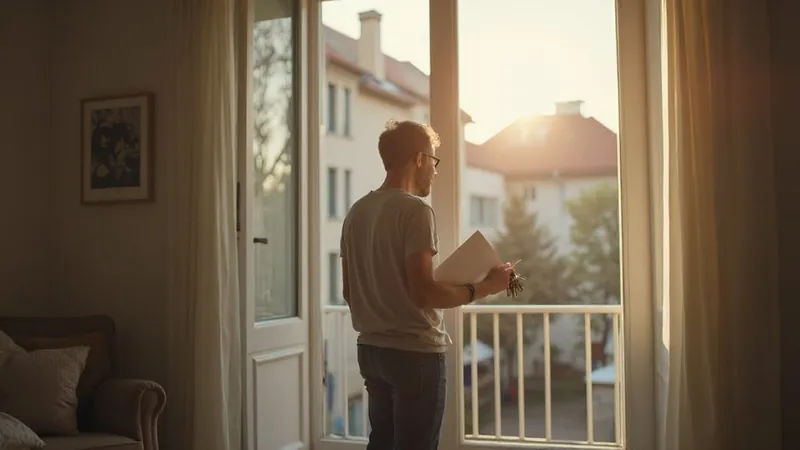
When you move out of a rental flat in Germany, returning every key is far more than a courtesy—it's a legal obligation that directly affects your security deposit (Kaution). Your landlord (Vermieter) will check that all keys are accounted for, and missing ones can result in deductions from your deposit or even claims for replacement locks. If you've lost a key, damaged one, or simply aren't sure what you should hand over, this guide walks you through the process and helps you avoid costly surprises.
Understanding the German tenant rules around key handover means you can leave smoothly, protect your deposit, and ensure the property is secure for the next tenant. We'll cover what counts as a key, how to document the handover, and what to do if you've lost one.
What Keys Must You Return?
In Germany, a key is typically anything that opens or locks a part of the flat, building, or common areas you've had access to during your tenancy. This isn't just the front door key—you may also need to return keys for:
- The flat entrance door (Wohnungstür)
- The building entrance (Hauseingang)
- The basement (Keller)
- The attic or storage room (Speicher / Dachboden)
- The mailbox (Briefkasten)
- The garden gate or shed (if applicable)
- Communal areas such as the laundry room (Waschkeller)
Your rental agreement (Mietvertrag) should list which keys were handed to you at the start. Check this document carefully—it often specifies the exact number of copies you received. If you're unsure, ask your landlord or property manager for a list before your move-out date. Some keys may be originals, others duplicates; German law typically requires you to return the same quantity and condition as you received them.
Documenting the Handover
In Germany, documenting what you return is essential for protecting yourself. When you hand over keys, insist on a written record—this protects both you and your landlord and ensures there's no dispute later about which keys were returned.
- Ask for a key receipt or checklist: Request that the landlord or Hausmeister (building manager) sign a form listing each key returned. Include the date and their signature.
- Take photos or video: Before leaving, photograph or film yourself handing over keys to create a time-stamped record.
- Keep copies for yourself: Retain a signed copy of the handover document and any photos. Store these with your other tenancy papers.
- Be present for the handover: Try to hand over keys in person rather than leaving them in a mailbox. If you're abroad, use a trusted friend or consider a recorded delivery service.
This documentation is your proof that you fulfilled your obligation. If your landlord later claims keys are missing, you'll have evidence that you returned them on the agreed date.
What If You've Lost a Key?
Losing a key before your move-out date happens to many expats and international renters. The good news is that transparency now will save you far more trouble than hoping the landlord won't notice.
- Tell your landlord immediately: Don't wait until move-out day. Contact the Vermieter or Hausmeister as soon as you realize a key is missing, explain what happened, and ask what they require.
- Understand the cost: In many cases, the landlord can pass on the cost of changing locks to you—this is a legitimate deduction from your Kaution. A full lock replacement for a rental property in Germany is not cheap, so it's serious.
- Ask about duplication: If the key can be easily re-copied (for example, a basement or mailbox key), the landlord may simply ask you to have a new one made by a locksmith. This is far cheaper than replacing a main entrance lock.
- Suggest a compromise: Some landlords may accept a cash contribution toward the lock-change cost as a settlement, rather than deducting the full amount from your deposit.
Honesty and quick action demonstrate good faith and often result in a more reasonable outcome than silence.
Damaged or Sticky Keys
A key that's bent, worn, or no longer turns smoothly in the lock can be a problem at handover. The landlord may argue that you've returned a damaged key and thus haven't truly returned a working one—creating the same issue as a lost key.
If a key you've been using is damaged, try to get it repaired or replaced before your move-out. A local locksmith (Schlosser) can often file down a sticky key or even recut it if the original still exists. If you discover damage only during your final walkthrough, explain it honestly to the landlord and offer to pay for repair or replacement on the spot. Showing responsibility here protects your deposit.
For keys that are simply old or worn from normal use, this is usually considered wear and tear and not your responsibility—but be clear about the distinction with your landlord beforehand.
Final Walkthrough and Deposit Protection
The key handover is one part of the move-out process, but it connects directly to your security deposit. In Germany, landlords often itemize deductions (such as lock replacement) from the Kaution when you leave. Documenting your key return protects you from unfair deductions.
- Schedule a formal Übergabe (handover meeting): Request a time when the landlord or their representative can verify that all keys are returned and the flat is in agreed condition. This is your chance to ensure everything is documented.
- Request a written confirmation: At the end of the handover, ask for a signed statement confirming that all keys listed in your tenancy agreement have been returned in good condition.
- Note any discrepancies on the spot: If the landlord claims a key is missing but you believe you returned it, note this in writing immediately. Your earlier documentation (photos, video, receipts) becomes crucial.
- Ask when you'll receive your deposit: By German law, the landlord must return your Kaution (minus any legitimate deductions) within a reasonable timeframe, often 3–6 weeks after you move out.
If a dispute arises over missing keys or lock replacement costs after you've moved out, remain calm and refer to your documentation. If the landlord tries to deduct an unreasonable amount for a key you're certain you returned, you have grounds to contest it.
If you're facing a last-minute key emergency—a key that won't turn, a lock that's jammed, or a key that's snapped off in the mechanism—our English-speaking hotline can connect you with a certified local locksmith who understands German tenancy law and can often help resolve the issue quickly. Call us to discuss your situation; we'll help you find a practical solution before move-out day.
Frequently asked
Can my landlord charge me for a lost key?
Yes, in most cases. If you've lost a key that opens the flat or building, your landlord can deduct the cost of changing the lock from your security deposit. This is why reporting a lost key immediately and offering to pay for a duplicate or repair is important.
What if I return all my keys but the landlord says one is missing?
This is where your documentation matters. If you have a signed receipt, photos, or a witness statement that you returned all keys, you can dispute the deduction. Keep your evidence and ask the landlord for proof that the key was originally given to you.
Do I have to return spare keys I made myself?
Your Mietvertrag will specify how many keys you received. You must return that number. If you made extra copies during your tenancy, you should return those too to ensure the landlord has full control over access. Discuss this with your landlord beforehand.
What counts as a 'reasonable' lock-replacement cost?
This depends on what was locked and the type of lock. A simple mailbox key replacement is far cheaper than changing a main entrance lock. Ask the locksmith for a quote on a separate order form; German law requires the landlord to prove actual costs, not estimates.
If I'm moving abroad, how do I safely return keys?
Ask a trusted friend to hand them over on your behalf and obtain a signed receipt. Alternatively, you can arrange a certified registered mail service (Einschreiben) with the landlord's permission, but always get written confirmation of safe delivery.
Can a landlord keep my whole deposit because of one missing key?
No. German law requires deductions to be proportional and itemized. A lock replacement cost must be reasonable and justified. If the deduction seems excessive, you can dispute it with the landlord or take it to small claims court (Amtsgericht).