
Multipoint and uPVC Door Locks
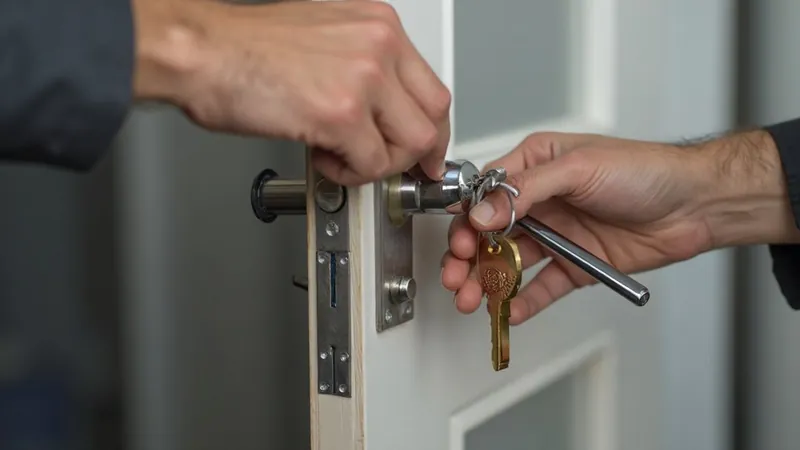
uPVC doors are common in German apartments and rental properties—they're affordable, energy-efficient, and low-maintenance. But when something goes wrong with a multipoint lock system, many expats and international residents don't know where to turn or what to expect. This guide explains how these locks work, what can go wrong, and how a certified local locksmith can help you get back inside safely.
Multipoint locks are the standard on uPVC doors in Germany. They secure the door at multiple points along the frame—top, middle, and bottom—rather than just at the handle. Understanding how they function will help you spot problems early and know when to call for help.
How Multipoint uPVC Locks Work
A multipoint lock engages bolts or hooks at three or more points on your door frame when you turn the key or handle. This distributes the load across the frame, making the door much more secure than a single-point lock and also making it more energy-efficient—the multiple seals help prevent drafts.
When you turn the key clockwise (looking at the door from outside), the multipoint mechanism activates. Springs and levers push bolts up into the top of the frame and down into the bottom, while a central bolt shoots out from the side. On some models, you'll hear or feel distinct clicks as each point engages. This is normal. If the mechanism feels sticky, gritty, or won't engage smoothly, the lock may need attention.
- Top bolt: secures the upper edge of the door frame
- Bottom bolt: secures the lower edge of the door frame
- Side bolt (latch): the main bolt that extends from the door edge
- Handle-operated multipoint: some models use both key and handle to engage all points
Common Problems with Multipoint Locks
In Germany's climate, temperature changes, settling in older buildings, and daily wear all affect uPVC doors and their locks. Here are the most frequent issues expats and residents encounter:
- Stiff or difficult key turn: Dirt, dust, or lack of lubrication inside the cylinder makes the lock hard to operate. This is often fixable with proper cleaning and silicone lubricant.
- Key won't turn all the way: The multipoint mechanism may be partially engaged or the bolt is jammed against the frame. Usually caused by the door frame being slightly misaligned due to temperature changes or settling.
- Bolts won't retract: When you turn the key to unlock, one or more bolts stay stuck. This happens when the door has dropped slightly and the bolts are binding against the frame.
- Handle feels loose or wobbly: Worn screws or internal springs allow play in the handle. Over time, this puts extra stress on the multipoint mechanism.
- Lock cylinder broken: If the key snaps inside, or the cylinder spins freely without engaging the mechanism, the internal pins or springs have failed.
- Door won't close properly: Misalignment between the bolt and the frame's receiving hole prevents the door from latching or closing fully.
Many of these issues get worse if ignored. A small adjustment now can prevent being locked out later.
Maintenance and Prevention
Good maintenance extends the life of your multipoint lock and prevents emergency lockouts. Because German properties (especially rental flats) experience significant temperature swings, your uPVC door needs regular attention.
- Lubricate the lock quarterly: Use a silicone-based spray or lubricant, never oil. Spray into the keyhole and move the key in and out slowly several times. Avoid locks labeled "Do not lubricate"—some modern cylinders have sealed bearings.
- Check door alignment: In winter and summer, stand outside and look at the gap between the door and frame. It should be even on all sides. If the bottom corner of the door drops away from the frame, the hinges may need adjustment.
- Keep bolts and frame clear: Ensure the top and bottom receiving holes in the frame are free of dirt or debris. Use a damp cloth to clean the frame edge.
- Test your lock regularly: Don't wait until you're in a rush. Turn the key and feel for smooth engagement at all three points. Listen for the clicks.
- Adjust hinges if needed: Hinges can be tightened slightly to raise the door slightly if it's dropping. Only attempt this if you're confident—otherwise ask your Hausmeister (building manager) or a locksmith.
If you're in a rental property (Mietvertrag), contact your Vermieter (landlord) before attempting any adjustments. Most maintenance issues should be their responsibility under German tenancy law.
When to Call a Locksmith
Some problems you can solve yourself; others need a professional. A certified local locksmith has the right tools to diagnose and repair multipoint locks without forcing or damaging your door.
Call a locksmith immediately if:
- You're locked out and can't get inside
- The key is stuck or broken in the lock
- The mechanism won't engage or disengage no matter how you turn the key
- The lock cylinder is damaged, corroded, or visibly broken
- You're renting and the lock needs repair (landlord may cover it, but you need professional confirmation)
A locksmith can usually repair a multipoint lock on site by adjusting the door, replacing internal components, or installing a new cylinder—all without forcing the door. If your uPVC frame is warped or the door has dropped significantly due to structural settling, they'll advise whether adjustment is possible or whether a new lock or door might be better.
If you don't speak German, don't worry. Many locksmiths in Germany work with international residents, and you can request an English-speaking technician when you call. Always ask for a written quote before they start work—it's standard practice here and protects you both.
Insurance and Rental Responsibilities
In many cases, lock repair or replacement is covered by your tenant insurance (Hausratversicherung or Haftpflichtversicherung) or falls under your Vermieter's responsibility. Check your contract and insurance documents to understand what's covered.
For rental properties in Germany, the landlord typically pays for repairs to the main lock and frame—these are considered part of the building's essential infrastructure. However, damage you caused (by forcing the door, for example) or damage to the handle or internal mechanism through misuse may be your cost. If the lock fails due to normal wear over many years, it's usually the landlord's duty.
If you've suffered a break-in or theft, contact the police first and get a report (Polizeibericht). Your insurance may require this before they approve a claim. Also notify your landlord in writing (email is fine). Document everything with photos.
The key lesson: don't attempt to force a jammed multipoint lock yourself. This can damage the door, frame, and lock mechanism, leaving you liable for repair costs. A quick call to a certified locksmith is always cheaper and faster than dealing with damage or being locked out.
If you're facing a lock emergency or need professional advice about your specific uPVC door, our English-speaking hotline can connect you with a qualified local locksmith in your area right away. They'll explain what's needed, give you a fair price, and get you back inside safely.
Frequently asked
Is it normal for a multipoint lock to make clicking sounds?
Yes, absolutely. When you turn the key, you should hear or feel distinct clicks as each bolt engages at the top, middle, and bottom of the frame. If the clicks are smooth and the mechanism feels solid, your lock is working correctly.
Can I use regular oil to lubricate my uPVC door lock?
No—use only silicone-based lubricant or a spray designed for locks. Oil attracts dust and debris, clogs the mechanism, and can damage modern lock cylinders. Avoid any product labeled "for metal locks" unless it explicitly mentions uPVC.
My door dropped and the bottom bolt won't retract. Is this an emergency?
Not immediately, but it needs attention soon. Door dropping is common in German properties due to settling and temperature changes. A locksmith can often adjust the hinges or the bolt itself in 30 minutes. If it gets worse, you may eventually be unable to lock or unlock the door, so arrange a visit within a few days.
Who pays for lock repair—me or my landlord?
In most German rental contracts, the landlord pays for repairs to the lock and door frame as these are structural elements of the property. Check your Mietvertrag and notify your Vermieter in writing (email works). If you caused the damage, you may be liable.
The key broke inside the lock. Can the locksmith remove it without damaging the door?
Yes, a certified locksmith has specialized tools to extract broken keys without forcing the lock or damaging the door. They may then repair or replace the cylinder. This is a common job and far better than trying to fish it out yourself or forcing the lock open.
How often should I have my multipoint lock serviced?
Regular lubrication (every 3 to 4 months) is usually enough. A full professional service or inspection is recommended every 2 to 3 years, especially if you live in an older building or notice any stiffness or grinding in the mechanism.