
The Profile Cylinder: Germany’s Standard Lock
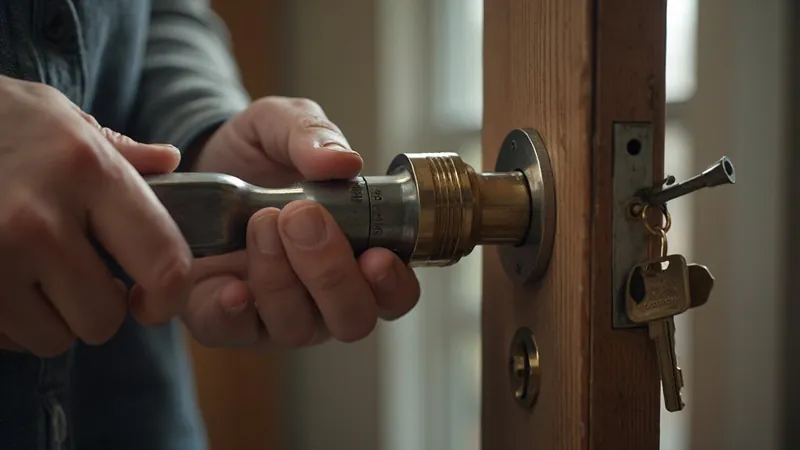
If you've just moved into a flat in Germany, your front door almost certainly has a profile cylinder lock—sometimes called a Profilzylinder or Euro cylinder. It's the most common residential lock standard across the country, used in everything from apartment buildings to single-family homes. Understanding how it works, what it can and cannot do, and when you might need a locksmith will save you time, money, and stress.
This guide explains what a profile cylinder is, why Germany standardized on this design, how to identify problems with yours, and what your options are if you lose keys, get locked out, or need upgrades for security or tenancy reasons.
What Is a Profile Cylinder and Why Is It Standard in Germany?
A profile cylinder is a cylindrical lock mechanism that sits horizontally inside a larger mortise lock body (the box recessed into your door frame). The cylinder itself contains pins of different heights that align with a key's cuts. When the correct key is inserted and turned, those pins move, allowing the cylinder to rotate and trigger the bolt mechanism.
Germany adopted the Euro profile cylinder standard (DIN 18252) decades ago because it offers a balance of affordability, ease of installation, and sufficient security for domestic use. Nearly every landlord, new-build apartment, and older Miethaus (rental building) in the country uses this standard. That universal compatibility is both an advantage—any certified locksmith can work with it—and something you need to understand if you're renting or buying.
The standard design means cylinders are replaceable without replacing the entire door lock. If you lose keys or want to upgrade security, you typically only need the cylinder changed, not the whole mechanism.
How to Identify Your Profile Cylinder and Check Its Condition
Look at your front door from the inside. You'll see a small cylindrical metal or plastic part protruding from the middle of the lock mechanism on the inside face of the door. That's your profile cylinder. On the outside, you see where your key goes in. Most cylinders are brass-coloured or nickel-plated, about 10–12 cm long, and have a small rotating cam (a flat metal plate) on the interior side.
Check these signs of wear or damage:
- Key resistance: If your key is hard to turn or feels stuck, the cylinder may be dirty, worn, or damaged inside. Don't force it; call a locksmith.
- Key won't lock: If the key turns but the bolt doesn't engage, the cam or internal pins may be broken.
- Visible damage: Dents, cracks, or signs of tampering mean the cylinder should be replaced.
- Age: If you inherited the lock with a flat you rented, ask your Vermieter (landlord) when it was last changed. German best practice suggests replacement every 5–10 years for frequently used locks.
What to Do If You're Locked Out or Have Lost Your Keys
Being locked out in Germany is inconvenient but solvable. Your first step depends on whether you rent or own, and whether you have a Hausmeister (building manager) available.
If you rent: Many German apartment buildings employ a Hausmeister who keeps a master key or has emergency access. Check your Mietvertrag (rental agreement) or building rules posted near the entrance. Call the Hausmeister first—it's often free or a small fee. If there's no Hausmeister, contact your Vermieter. In urgent situations late at night or weekends, call a certified locksmith; in many cases the landlord is responsible for the cost if the lockout resulted from a fault in the lock, not your mistake.
If you own: You can contact a locksmith directly. They'll need to identify you and verify you live there before breaking in—this is standard legal procedure in Germany.
Lost keys: If you've only lost one key but have others, simply order replacement keys from a locksmith using one of your existing keys as reference. If you've lost all keys, the locksmith will need to open the door and then rekey the cylinder or replace it so you have new matched keys.
Never try to pick or force a profile cylinder yourself; it damages the lock and may void insurance or tenancy protections.
Security Upgrades and Tenant Responsibilities
Profile cylinders come in different security grades. A basic residential cylinder is adequate for most situations, but if you're concerned about security or live in an area with higher crime, upgraded cylinders with anti-picking, anti-bumping, or anti-drilling features are available. These are sometimes called Sicherheitszylinder (security cylinders) and may cost more but provide greater peace of mind.
If you rent: In many cases, you cannot simply replace your lock cylinder without permission. Your Mietvertrag often specifies that locks remain the landlord's property and responsibility. However, in many German regions and rental scenarios, you can request a security upgrade at your own cost, or negotiate with your Vermieter to split the expense. Always ask first—changing the lock without permission can be grounds for dispute.
Insurance implications: Some German household insurance policies (Hausratversicherung or Haftpflicht) may require locks to meet certain standards. If you've been broken into or are concerned about underinsurance, check your policy. A locksmith can advise which cylinder grade meets your insurer's requirements.
If security or access is urgent and your landlord is slow to respond, contact a certified local locksmith through an English-speaking hotline. They can explain your options under German tenancy law and help you upgrade safely within legal boundaries.
When to Call a Locksmith and What to Expect
You need a locksmith if:
- You're locked out and cannot reach your landlord or building manager.
- Your key is broken, lost, or won't turn.
- The cylinder is damaged or showing signs of tampering.
- You want to replace or upgrade the cylinder (for security or because you've inherited an old, worn lock).
- You need new keys cut and don't have an original to reference.
When you call, a certified locksmith will ask for your address, describe the problem, and explain what work is needed. In Germany, reputable locksmiths provide a written quote (Kostenvoranschlag) on site before they do any work, so you won't face surprise bills. If you're renting, ask whether the cost might be the landlord's responsibility—the locksmith can advise based on the situation.
Expect the visit to take 15–30 minutes for a simple cylinder replacement or key cutting. If the lock is broken or you're locked out, the locksmith may need to force the cylinder open, which costs more but is a standard procedure.
For English-speaking assistance or urgent lockout situations, our hotline connects you with a certified local locksmith who understands expat and international resident needs in Germany. Don't struggle alone—call us today.
Frequently asked
Can I change my profile cylinder myself if I rent?
You can replace a cylinder if it's broken, but you must keep the old one and reinstall it before you move out, or ask your Vermieter's permission first. It's simpler and legally safer to ask your landlord to arrange it or approve your upgrade.
How much does it cost to replace a profile cylinder in Germany?
We never quote prices over the phone—costs vary by location, cylinder grade, and whether the lock is broken or just worn. A locksmith provides a written estimate on site before starting work.
What's the difference between a standard and security profile cylinder?
Security cylinders have extra pins, hardened materials, or anti-picking features that resist tampering longer. They're more expensive but offer better protection if theft is a concern. A locksmith can recommend the right grade for your situation.
If my key breaks in the lock, can the locksmith get it out without damaging the cylinder?
Often yes, if caught early. A locksmith has extraction tools to remove a broken key carefully. If it's been stuck for days, removal may require opening the cylinder, but damage is usually repairable rather than requiring full replacement.
Who pays if I'm locked out due to a faulty lock?
In many German rental cases, the landlord is responsible for lock maintenance and repair costs. However, if you lost the key or caused the damage, you may be liable. Your Mietvertrag should clarify; a locksmith can also advise based on the facts.
Can I get a key copied without showing ID?
A locksmith will often ask for ID or proof you live at the address, especially if creating new keys to an unknown lock. This is standard practice to prevent unauthorised access. If you own the flat, bring your ownership papers or a utility bill with your name.