
Securing Your Apartment Against Burglary in Germany
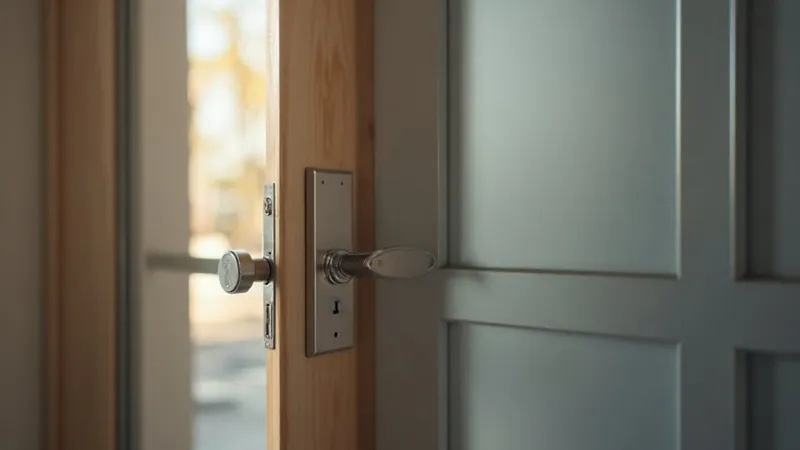
Break-ins happen, and living in an unfamiliar country makes your home feel even more vulnerable. If you're renting or own an apartment in Germany, understanding local burglary risks and what you can realistically do to protect yourself is essential. German apartments often have older locks, shared entry systems, and building layouts that differ from what you're used to—which means generic security advice won't cut it.
This guide walks you through practical, legal steps to secure your apartment and how a certified local locksmith can help you understand your actual vulnerabilities. You don't need to panic or spend a fortune; you need to know what works in Germany's climate, legal framework, and rental culture.
Understand Your Apartment's Weak Points
German apartments—especially in converted older buildings—often have vulnerabilities that aren't immediately obvious. Ground-floor flats and those facing quiet courtyards are statistically targeted more often. Check your entry door, windows, and any access points a locksmith would assess.
- The entry door: Is it a thin wooden door with a single-pin cylinder lock? Many older German flats have exactly this. The frame can matter as much as the lock itself.
- Window locks: Older sash or tilt-and-turn windows (very common in Germany) may have worn handles or no secondary locks. Test them; if they open too easily, that's a problem.
- Balcony or terrace access: A door that locks smoothly is different from one that's actually secure. A locksmith will show you the difference.
- Building entry: Can anyone ring the buzzer and enter, or is it properly secured? Is the communal stairwell well-lit and monitored?
- Basement or rear access: Does your building have external doors you've never really noticed? Your landlord (Vermieter) should be able to tell you.
A certified local locksmith can walk through your apartment in 30 minutes and tell you exactly what's weak. This isn't alarmism—it's practical assessment.
Upgrade Your Locks Legally
If you rent, you cannot simply change locks without permission. German tenancy law (Mietvertrag) is clear: your Vermieter owns the property and must approve security changes. However, most landlords understand security concerns and will often agree to upgrades if you ask and arrange a professional.
- Ask your Vermieter in writing: Keep records. Explain that you want to upgrade the lock cylinder for security. Most will approve this for the main door.
- A locksmith installs a certified newer cylinder: This often costs less than you'd expect and takes one visit. The old cylinder stays with your landlord.
- Window locks can usually be improved: Additional sash locks or security bars on lower floors are rarely forbidden, but always check your contract first.
- Insurance (Hausrat) may require certain standards: In many cases, insurers won't pay out for break-ins if your locks fell below a recognized security standard. A locksmith can tell you whether your current setup meets DIN or other German standards.
Never force the issue or install locks you can't remove. You'll lose your deposit and damage your rental reference in Germany, where reputation matters.
Behavioral Security: Habits That Matter
The best lock means nothing if you don't use it. German apartments are broken into because doors are left unlocked, windows are left open overnight, or absence is obvious to neighbors.
- Always lock your door: Not just when you go out. Many break-ins happen while residents are asleep or in another room. Germans take this seriously; so should you.
- Close and lock windows before bed or leaving: Tilt-and-turn windows are convenient but must be fully closed and locked. An open window—even slightly tilted—is an invitation.
- Don't advertise absence: Ask a trusted neighbor to open your blinds on alternate days if you're away for weeks. Mail piling up and dark windows for days signal an empty flat.
- Know your neighbors: You don't need to be friends, but a nod or wave creates informal surveillance. Many burglaries don't happen where residents know each other.
- Use timers on lights: A lamp on a 2-hour timer when you're away looks lived-in. Burglars watch for patterns.
These habits cost nothing but vigilance.
Install Additional Deterrents Within Your Rights
German law and rental agreements allow certain affordable additions. These won't make your flat Fort Knox, but they do make you a less attractive target—and that's often enough.
- Door/window alarms: Cheap battery-operated contact alarms from any electronics shop. They're loud and startle intruders. Renters can use them without permission since they don't alter the structure.
- Security film on accessible windows: Applied to ground-floor or balcony windows, this makes glass harder to break quickly. It's removable and often acceptable to landlords.
- Additional door bolt or chain: If your main lock is weak, a mechanical deadbolt (Zusatzschloss) can be installed and later removed. A locksmith advises on the right type for your door frame.
- Motion-sensor lights (battery-powered): For balconies or outside your door, these are non-permanent and deter approach.
- Door wedges or portable locks: Budget backups if your main lock feels uncertain. Some expats use these as psychological reassurance as much as practical security.
None of these are expensive, and a locksmith can install permanent additions quickly and explain temporary options.
Get a Professional Security Assessment
You've lived in Germany for weeks, months, or maybe just days. You might not yet understand which neighborhoods or building types carry higher risk, what German insurers actually require, or whether your lock is certified to any standard at all. A certified local locksmith does this every day and knows local patterns.
A professional locksmith will:
- Test every lock and entry point and be honest about what's weak.
- Explain German security standards (DIN 18257, DIN 18251) in terms that make sense to you.
- Advise on what your Vermieter is likely to approve.
- Suggest upgrades that work for renters, not just owners.
- Explain how your actions affect your Hausrat (home contents insurance) coverage.
If you notice your door lock jamming, a window that won't lock properly, or if you've simply never had anyone assess your flat's security, don't wait. Call our English-speaking hotline now. We'll connect you with a locksmith who understands expat concerns and can give you real, actionable advice—not sales pressure. That first consultation is how you stop worrying and start sleeping better.
Frequently asked
Can my landlord force me to upgrade my locks, or can I force them to?
Neither—it's collaborative. Your Vermieter owns the building, so they decide on structural changes, but most landlords in Germany understand security concerns and approve upgrades if you ask politely and in writing. If you feel unsafe, put that in writing and keep copies. If the lock is broken or truly unsafe, that's a maintenance issue and your landlord must address it.
Will my insurance (Hausrat) cover a break-in if my locks weren't 'German standard'?
In many cases, no—if your locks fall significantly below recognized standards like DIN 18251, insurers can refuse payment. Check your policy and ask your provider what they require. A locksmith can tell you whether your current locks meet the standard your insurer demands.
Is it normal for German apartment doors to be so thin?
Yes, many older German flats have thin wooden doors, especially in converted buildings. It's not ideal for security, but it's legal and common. The solution is often a stronger lock cylinder, a reinforced frame, or a Zusatzschloss (additional bolt) rather than replacing the whole door—especially in a rental.
What should I do if I'm locked out of my own apartment?
Call a certified locksmith immediately—don't attempt to force your way in, as this can damage the door and may be seen as break-in activity by neighbors. A locksmith can open the door quickly and legally. Our English-speaking hotline can dispatch someone same-day in most German cities.
Is it worth installing a security camera in a rented apartment?
German privacy law (DSGVO) is strict: you cannot film outside your flat or into common areas. Interior cameras are usually allowed if you live alone, but always check your contract and building rules. A visible camera is sometimes enough to deter, even if it's not recording—but legality comes first.
How do I know if my apartment was targeted specifically or if break-ins are random?
Most burglars pick targets quickly based on easy access and low risk—ground floors with poor locks, absent residents, visible valuables. If your lock is weak or your flat looks empty, you're more at risk. A locksmith's assessment will help you close those easy windows and make yourself a harder target, which is often enough to shift a burglar's attention elsewhere.