
Smart Locks and Keypads in German Homes
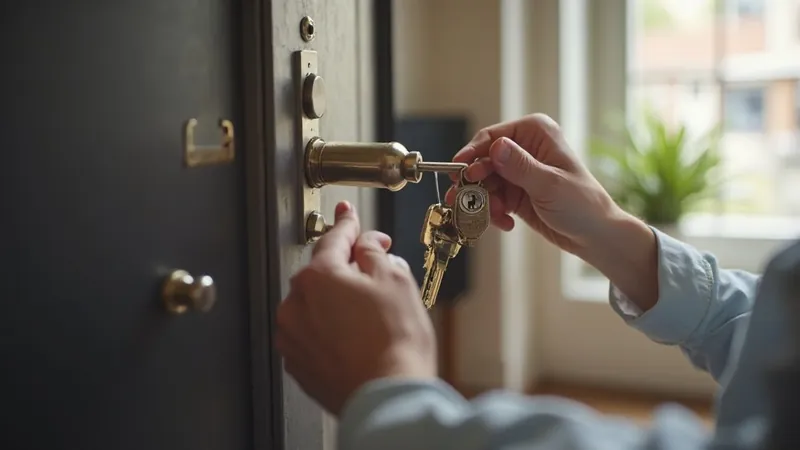
Smart locks and keypads are becoming more common in German rental apartments and homes, but they work differently from traditional keys—and come with their own rules. If you're renting, your landlord (Vermieter) may restrict what you can install. If you own, you have more freedom, but you still need to understand German electrical standards and insurance implications.
This guide walks you through what smart locks actually do, whether they're suitable for your situation in Germany, and what to do if you get locked out or face a technical failure.
Types of Smart Locks Used in Germany
Smart locks fall into a few main categories. A keypad lock lets you enter a numeric code instead of using a physical key—common in shared buildings and student accommodation. A Bluetooth or WiFi lock connects to your phone and lets you unlock remotely or give temporary access to guests. Some systems use RFID cards or tags. Most modern German homes stick with mechanical locks for security reasons, but smart systems are growing in popularity, especially for short-term rentals and office buildings.
- Keypad locks: Battery-powered, mounted on or inside the door frame. Code can be changed quickly.
- Smart cylinder locks: Replace your existing lock cylinder; control via app or card.
- Motorised locks: More expensive; require professional installation and electrical supply.
- Hybrid systems: Combine a traditional key with a keypad or app backup.
Renting in Germany: What You're Actually Allowed to Install
If you rent, your Mietvertrag (rental contract) almost always says you cannot modify the locks without written permission from your Vermieter. Installing a smart lock without consent can be treated as damage and cost you your deposit. Even if the landlord agrees, they often want to keep a master code or access, which is a legitimate security concern—especially if you leave.
Some landlords accept smart locks because they make their own access easier and reduce emergency locksmith callouts. Others refuse entirely. Always ask in writing and get a written answer. If your landlord approves, clarify: Who holds the master code? What happens when you move out? Do you remove it or leave it? These details prevent disputes.
- Check your rental contract for lock and modification clauses.
- Request written permission from your Vermieter before installation.
- Specify who controls the master code and backup keys.
- Agree on removal or handover before you move.
- Consider whether your landlord's insurance covers electronic locks in case of malfunction.
Security and Reliability in German Weather and Older Buildings
German homes, especially older ones, face practical challenges for smart locks. Cold, damp winters can drain batteries faster and cause condensation inside electronic components. If your building has a thick wooden door frame or unusual proportions (common in 1950s–70s Altbau apartments), the smart lock may not fit properly. And if the power fails or your battery dies, many smart locks have a mechanical backup key slot—but if you've lost that key, you're stuck.
Another real issue: German buildings often have Hausmeister (building managers) who need emergency access. Some smart-lock systems don't integrate with the traditional master-key arrangements that landlords and caretakers rely on. Ask your landlord and Hausmeister whether a smart lock will interfere with their emergency access procedures.
- Smart locks with mechanical backup keys reduce risk of total lockout.
- Choose weather-sealed units rated for Central European temperature swings.
- Test battery life in winter; most last 6–12 months depending on usage.
- Measure your door frame and lock specifications before ordering online.
- If you live in an older building, notify your Hausmeister about the installation.
Insurance, Liability and What Happens if Something Goes Wrong
If you rent and a smart lock fails, causing damage or loss, you could be liable. In many cases, your Haftpflicht (liability insurance) won't cover damage you cause by installing an unauthorised lock. If the lock malfunctions and you can't access your apartment during an emergency—say, a gas leak or water damage—your landlord may have to call an emergency locksmith at cost, and they may bill you for negligence.
If you own your home, your Hausrat (contents insurance) usually doesn't cover smart-lock failures or remote hacking. Some insurers ask questions about electronic locks before approving a policy, so declare it upfront. And if someone gains unauthorised access through your smart lock—whether by hacking or theft of your phone—you may not be covered for the resulting theft or damage. Always read your policy or ask your insurer directly.
A smart lock is a convenience, but it doesn't replace traditional security measures. Many German homeowners keep a mechanical backup, especially if they live alone or are away for long periods.
- Check your rental contract and landlord permission before installing.
- Review your liability (Haftpflicht) and contents (Hausrat) insurance for electronic locks.
- Keep a mechanical backup key in a safe place (not your phone).
- Ensure the lock has a low-battery alert so you're not caught out.
- Test all backup access methods (mechanical key, emergency card, etc.) regularly.
When Smart Locks Fail: Getting Back In and Getting Help
If your smart lock battery dies, the app crashes, or the code stops working, you need to get back inside quickly. The safest approach depends on what type of lock you have. If it has a mechanical backup key, use that. If it has an emergency override card, try that next. If you're locked out completely and it's not an emergency (e.g., you left your belongings inside but are safe), contact the locksmith who installed the system—they often have master codes and can reset it remotely or on site.
For genuine emergencies—you're stuck outside in freezing weather, you have children or pets inside, or there's a utility issue—call an emergency locksmith immediately. In Germany, a certified Schlüsseldienst (locksmith) can open most smart locks, though it may take longer and cost more than opening a traditional lock because they sometimes need to bypass the electronic component safely. If you rent, also notify your Vermieter and Hausmeister so they're aware and can assist. If the smart lock failure is not your fault (manufacturer defect, software bug), you may be able to claim it back from the seller or manufacturer.
If you need urgent help—whether you're locked out, the system has failed, or you're unsure what to do—our English-speaking hotline can connect you with a certified local locksmith who understands smart-lock systems and can explain the situation in English and offer practical next steps.
- Check for mechanical backup key or emergency override card first.
- Contact the installer or manufacturer for remote reset or master-code help.
- For true emergencies, call a certified locksmith—speed matters more than cost.
- Notify your Vermieter and Hausmeister of any lockout.
- Document the failure (photos, timestamps, app logs) in case you need to claim it back.
- Call our English-speaking hotline for urgent lockout assistance or advice.
Frequently asked
Can my landlord force me to remove a smart lock when I move out?
Yes, if you installed it without permission. If your Vermieter approved the smart lock in writing, the contract should specify what happens at the end of tenancy. Always clarify this in advance to avoid disputes over your deposit.
Will my contents insurance (Hausrat) cover theft if my smart lock is hacked?
Not automatically. Many policies require you to declare electronic locks and may have exclusions for hacking or remote access breaches. Contact your insurer and read your policy carefully before relying on a smart lock as your primary security.
What if my smart lock battery dies and I don't have the mechanical backup key?
You'll need to call a locksmith to open it. This can be costly and time-consuming, so always keep a mechanical backup key and test it regularly. Make sure someone you trust has a copy in case of emergency.
Are smart locks suitable for old German Altbau buildings?
They can be, but measure your door frame and lock specifications carefully first. Older buildings often have non-standard dimensions. Also check with your Vermieter and Hausmeister to make sure the smart lock won't interfere with emergency access procedures.
What is the legal difference between a keypad lock and a full smart lock in Germany?
Legally, both are modifications to your property and require landlord permission if you rent. The security and insurance implications are similar—it depends on your contract, your insurer's terms, and whether your landlord approves it in writing.
If my smart lock fails in winter, can I claim it back from the seller?
Yes, if the failure is a manufacturing defect and not due to misuse or neglect. Keep receipts, document the failure with photos and timestamps, and contact the seller or manufacturer. They're often obligated to replace or refund defective products under German consumer law.