
A Stuck Padlock or Lost Padlock Key
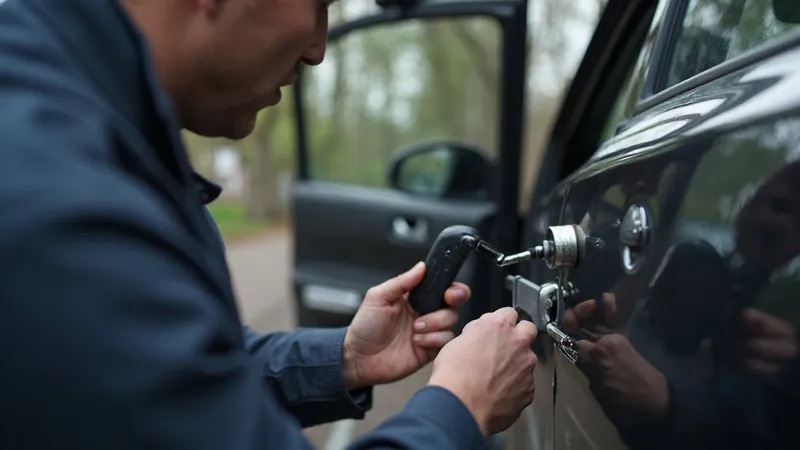
A padlock that won't open can strike at the worst moment—whether it's securing your bicycle outside a Berlin apartment block, locking a storage unit, or sealing a garden shed in the suburbs. If you've lost the key or the lock is jammed, you don't need to panic or spend hours trying to force it open. A certified local locksmith can remove the padlock quickly and professionally, often without damaging what's underneath.
This guide explains what you can try first, when to call a locksmith, and how the removal process typically works in Germany.
Why Padlocks Jam or Keys Go Missing
Padlocks fail for several common reasons. In Germany's climate, moisture and rust can seize the mechanism—especially on outdoor gates, bike racks, and cellar doors (Kellerräume). Keys are easily lost during house moves, forgotten in jacket pockets, or handed to a previous tenant who never returned them. Sometimes a key breaks inside the lock itself, leaving you unable to open it even if you have a spare.
- Rust and corrosion: Happens quickly on exposed padlocks, particularly near the sea or in damp climates.
- Lost keys during relocations: Common when moving flats in Germany—the previous tenant may have kept yours, or it was mislabeled.
- Broken keys: The key snaps inside, and you cannot retrieve it without help.
- Frozen or stiff mechanisms: Cold winters can cause internal parts to stick or freeze.
- Low-quality padlocks: Cheap locks from hardware stores may jam after only a year or two of use.
What You Can Try Before Calling a Locksmith
If your padlock is stuck but not damaged, a few quick tricks may free it without professional help. Always be gentle—forcing it hard can break the lock or what it's attached to.
- Lubricate the keyhole: Spray WD-40 or a similar penetrating oil into the lock. Wait 10 minutes and try the key gently. Avoid graphite powder if you're not sure of the lock type.
- Tap the lock gently: Use a rubber mallet or hammer handle to tap around the lock body. This can dislodge rust or debris inside.
- Check for a spare key: Look through your documents, contact your landlord (Vermieter), or ask previous tenants if a spare exists.
- Check the paperwork: Your rental contract (Mietvertrag) or purchase receipt may list a key code; some locksmiths can cut a new key from this information.
- Verify it's the right key: Easy to overlook—make sure you're using the correct padlock key, not one for a different lock.
If none of these work after 15 minutes, or if the lock is visibly corroded, don't force it further. Forcing can damage the object the padlock secures or the lock itself in ways that make removal harder.
When to Call a Certified Locksmith
A locksmith is your best option if the padlock is truly stuck, the key is lost beyond recovery, or you need to open it urgently without the key. In Germany, locksmiths must be certified (Handwerkskammer registration), and reputable ones will show you their credentials.
- Stuck padlocks on your property: Your bicycle, storage unit, or garden shed—if it's yours, a locksmith can remove it cleanly.
- Lost keys with no spare: The locksmith can often pick the lock or use non-destructive removal techniques.
- Broken keys inside the lock: Requires specialist tools to extract the broken piece safely.
- Urgent access needed: If you need to access something quickly—for example, storage for a house move—a same-day appointment is often possible.
- High-security padlocks: Some locks are too complex to open without professional equipment and expertise.
Always verify that you own the padlock or have the owner's permission before a locksmith removes it. If it's a rental property or shared storage, check your contract or speak to your landlord first.
The Removal Process and What to Expect
When a certified local locksmith arrives, they'll assess the padlock and explain what method they'll use. Most padlocks can be removed without damaging what they're attached to—this is a key difference between a professional and forcing it yourself.
- Lock picking: Often the first approach. The locksmith uses tools to manipulate the internal mechanism and open the lock intact. This takes 10–20 minutes for most padlocks.
- Drilling: If picking doesn't work, the locksmith will drill through the lock body. This destroys the padlock but leaves the object it was on (bike rack, gate, door) undamaged.
- Cutting: In some cases, an angle grinder or bolt cutters may be used if the lock cannot be opened any other way.
- Non-destructive removal: Modern techniques often allow removal without damaging your property.
The locksmith will explain which method suits your padlock and ask your permission before proceeding. They'll provide a written order form (Auftragsbestätigung) showing the work done and what they charged. Keep this for your records—you may need it for insurance if the padlock belongs to rented property.
Padlock Removal and Your Rental or Insurance
If you rent your flat or the padlock secures a shared storage unit, it's worth checking your lease (Mietvertrag) and informing your landlord (Vermieter). In many cases, the landlord or property manager (Hausmeister or Verwaltung) has a master key or can authorize the removal. Always get written permission if it's not clearly your property.
For insurance purposes, keep the locksmith's receipt and order form. If the padlock was part of your home contents insurance (Hausrat), your insurer may cover the locksmith's fee—check your policy. German home insurance often covers lock replacement and professional lockout services, especially if there's been theft or damage.
When a new padlock is fitted, choose a weatherproof, high-quality model rated for outdoor use. Ask the locksmith for a recommendation suited to Germany's climate and your use case—this can prevent the same problem recurring.
If you're facing a stuck or lost-key padlock right now and need fast, professional help, our English-speaking hotline connects you with certified local locksmiths in your area. They can often attend same-day, explain the cost upfront, and remove your padlock cleanly and safely. Call to get connected now.
Frequently asked
Can I cut off a padlock myself if I lose the key?
You can, if you own the padlock and what it secures. However, bolt cutters or angle grinders can damage the underlying object, and DIY removal is often slower and messier than a locksmith. A locksmith has the expertise to remove it without collateral damage and may be able to open it intact first.
How long does it take a locksmith to remove a stuck padlock?
Most padlock removals take 15–30 minutes. The exact time depends on the lock type, corrosion level, and whether the locksmith can pick it (faster) or must drill it (slightly longer). The locksmith will give you an estimate when they arrive.
What if the padlock is on a rental property or shared storage?
Check your rental agreement first and ask your landlord or property manager for permission. They may have a master key or spare, or they can authorize the removal. Always get written approval before the locksmith removes it to avoid disputes later.
Will the locksmith damage my bicycle, gate, or door when removing the padlock?
A certified locksmith uses techniques that remove the lock without harming the object underneath. They may pick it open intact or drill only the lock itself. Always tell them what the padlock is attached to so they can choose the safest method.
Can a locksmith open a padlock without the key?
Yes. In many cases they can pick it open without damaging it. If picking fails, they can drill it out. Either way, the lock comes off, but picking is non-destructive if it works.
Do I need to replace the padlock after it's removed?
If the padlock is destroyed during removal, yes. If it's opened intact, you can reuse it if you have the key or can cut a new one. Many people choose to buy a new weatherproof padlock suited to outdoor use in Germany to prevent future problems.