
What a Fair, Trustworthy Locksmith Does
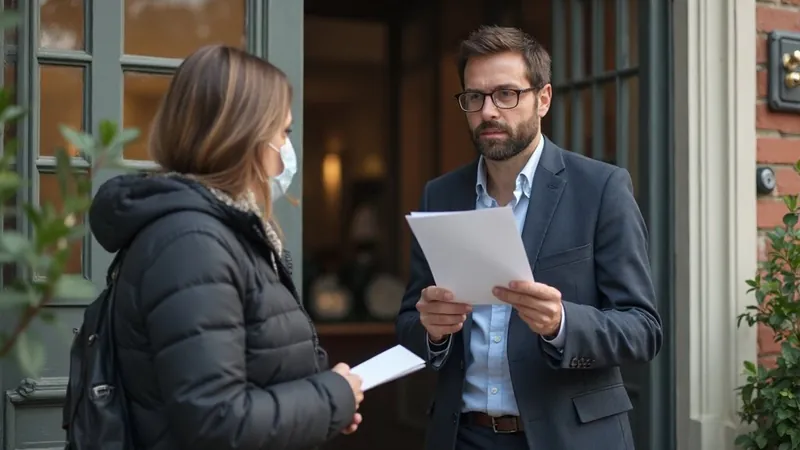
When you need a locksmith in Germany, you're often stressed, locked out of your apartment, or facing a break-in. That's exactly when dishonest operators prey on you with inflated prices, hidden charges, or unnecessary work. A fair, trustworthy locksmith operates differently: they're transparent about costs upfront, hold proper credentials, and solve your problem without upselling.
Since you're new to Germany, you may not know what to expect from local tradespeople or how the system works here. This guide shows you what a reputable locksmith should do—and what red flags to watch for—so you can feel confident calling for help.
Signs of a Trustworthy Locksmith
A fair locksmith in Germany will always identify themselves clearly when they arrive. They'll show you their ID, explain they're certified (often a Handwerkskammer-registered tradesperson or similar qualification), and be willing to answer questions about their background.
- Written estimate before work. They'll assess your lock or situation, then write down what they'll do and roughly what it costs. They won't start work until you agree.
- Explains the job in plain language. No jargon designed to confuse you. They'll tell you whether they're picking, bumping, or replacing the lock—and why.
- Shows their tools and methods. A professional isn't secretive. They'll let you watch or explain what they're doing.
- Respects your property. They work carefully, protect your door frame and walls, and clean up after themselves.
- Provides a receipt or invoice. Always ask for one. It protects both of you and is useful for insurance claims or disputes with your landlord (Vermieter).
Red Flags: What to Avoid
Watch out for these common tactics used by unreliable or fraudulent locksmiths operating in Germany. If something feels off, trust your instinct and ask them to leave.
- No ID or vague credentials. Never let anyone work on your lock without proof they're legitimate. Ask for their business registration number if in doubt.
- Pressure to pay cash upfront. Fair locksmiths accept bank transfer, card, or invoice payment. Cash-only demands are a warning sign.
- Refusing to give a written quote. If they won't write down the cost before starting, walk away. Hidden charges often follow.
- "Just a small fee to assess"—then much more later. A trustworthy tradesperson quotes the full job price, not stage payments.
- Offering to replace a lock when picking would work. Unnecessary replacements are a classic scam. A fair locksmith will pick or repair if possible, then explain if replacement is genuinely needed.
- Quoting prices far below or above market. Suspiciously cheap often means poor quality or a bait-and-switch; suspiciously expensive may be price gouging.
What Fair Pricing Looks Like
In Germany, locksmith costs vary by region, time of day, and complexity. A call-out fee (Anfahrtsgebühr) is standard, but what's included in it differs. The actual work—picking, repairing, or replacing—is charged separately. A trustworthy locksmith will break this down for you on the spot.
Emergency calls outside normal hours (nights, weekends, holidays) cost more, which is normal and fair. Weekend work, call-out costs, and time all add up. What you should never see is a bill that's wildly different from the written estimate they gave you on site.
If you're renting, check your Mietvertrag (tenancy agreement). In many cases your landlord or Hausmeister (caretaker) must handle locks, or their costs are recoverable from rent. Always get a proper invoice so you can claim it back if entitled. Insurance—Hausrat or Haftpflicht—may cover locksmith costs depending on the situation. A fair locksmith will give you the documentation you need to submit a claim.
How a Fair Locksmith Handles Different Situations
The best locksmiths adapt their approach to your actual problem, not to maximize their bill.
- You're locked out of your apartment: They'll try picking or bumping your lock first. If that fails or damages it, only then will they suggest replacement. They'll explain why.
- You've lost your key: They can pick the lock and give you a spare, or replace the cylinder. They'll advise which is cheaper and what your Vermieter's policy is.
- Your lock is broken: A fair locksmith will try to repair it if possible. Full replacement costs more; they'll be honest about whether it's necessary.
- You've had a break-in: They'll assess the damage, secure your door immediately, and advise on replacement or repair. They'll also document everything for your Polizeibericht (police report) and insurance claim.
Throughout, they respect your time, answer your questions, and don't treat you as a quick commission.
How to Find and Vet a Locksmith Before You Need One
The best time to find a trustworthy locksmith is before an emergency strikes. When you're calm, you can research properly instead of calling the first number you find in a panic.
- Ask your Hausmeister or landlord for a recommendation. They often have a trusted tradesperson on speed-dial.
- Check online reviews in English (many expat forums and Facebook groups mention local trades people). Look for feedback about pricing honesty and professionalism.
- Verify they're registered. German tradespeople are often registered with a Handwerkskammer (chamber of trades). You can check membership.
- Call and ask questions before an emergency. How do they quote? What's included in their call-out fee? Do they speak English? A helpful, clear answer is a good sign.
If you're in an urgent situation right now, you don't have time to vet. That's where an English-speaking referral service helps. Our hotline connects you to certified local locksmiths who understand the expat community and can respond quickly. When time matters, we've already screened them so you don't have to.
Frequently asked
Can a locksmith charge whatever they want in an emergency?
No. In Germany, even emergency call-outs must be fair and disclosed upfront. A trustworthy locksmith will write down the cost before starting work. If you feel overcharged, you can dispute it through consumer protection channels. Always get an invoice.
Is it normal for a locksmith to refuse to open my lock?
Yes, sometimes. If they can't open it without damaging it, or if they believe you're not the rightful owner, they may refuse. This protects you both. In a disputed tenancy or shared apartment, ask your landlord or a witness to be present.
Who pays for a locksmith if I'm renting?
Often your landlord (Vermieter) or Hausmeister must arrange and pay for lock repairs. Check your Mietvertrag. If you caused the damage, you may pay. If it's wear-and-tear or a break-in, your landlord usually covers it. Always ask before calling.
What if the locksmith damages my door while opening it?
A fair locksmith minimizes damage and will warn you if some is unavoidable. Get photos and ask for written confirmation of any damage on your invoice. If it's the locksmith's fault, they should cover repairs; this is part of their professional liability.
Can I claim locksmith costs on my renters' insurance?
It depends on your Hausrat policy and the situation. Break-ins are often covered. Lost keys may not be. Accidental lockouts rarely are. Check your policy documents or email your insurer before paying, so you know whether to claim.
Why does the same job cost different amounts from different locksmiths?
Region, distance, time of day, and the locksmith's experience all play a role. It's normal for prices to vary. Ask for a written quote, compare a couple of locksmiths if time allows, and choose the one who's transparent and trustworthy, not just the cheapest.