
What Is a Schnappschloss and Why It Locks You Out
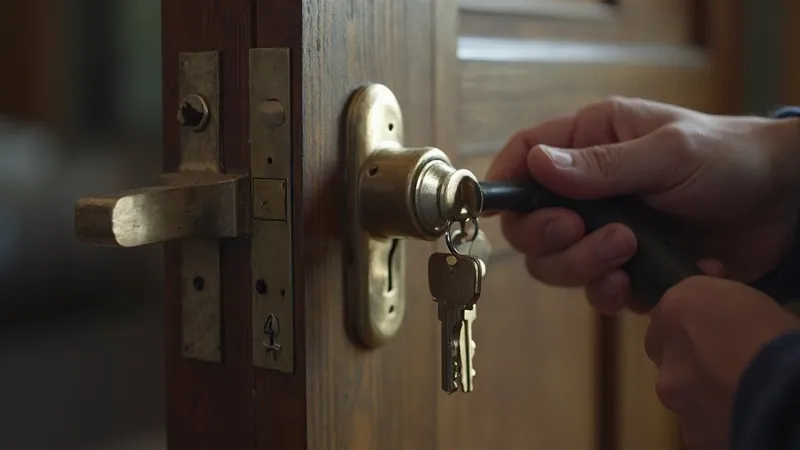
A Schnappschloss—literally a "snap lock" or spring bolt—is one of the most common door locks in German apartments and offices. It looks simple: a spring-loaded bolt that retracts when you turn the handle from inside, then springs back shut when the door closes. But this everyday mechanism is also responsible for more lockouts than any other lock type in Germany. Understanding how it works, and why it fails, can save you frustration, money, and a call to a locksmith at midnight.
If you're renting in Germany, you've almost certainly encountered a Schnappschloss on your apartment door or bedroom. Landlords favour them because they're affordable, reliable, and require minimal maintenance. The problem is that they lock automatically—no key needed on the inside—which means you can easily find yourself locked out if you leave without your key, or trapped inside if the mechanism jams.
How a Schnappschloss Actually Works
A Schnappschloss operates on a spring mechanism. The bolt—a small metal bar—sits inside the lock body and is held in the extended (locked) position by a spring. When you turn the interior handle downward, a mechanical linkage retracts the bolt, allowing the door to open. Once you release the handle, the spring pushes the bolt back out. When the door closes, the bevelled edge of the bolt slides into the strike plate (the metal box recessed into the door frame), and springs back into the locked position with an audible click.
This design is fast, cheap to install, and requires no key to unlock from the inside. But it also means the door locks itself automatically every time it shuts, whether you intended it to or not. No deadbolt, no key required—just a closed door and gravity doing its job.
Why You Get Locked Out: Common Scenarios
Lockouts happen because a Schnappschloss doesn't distinguish between "intentional closure" and "accidental slam." Here are the situations that catch expats and international residents off guard:
- The quick exit: You step outside to check the postbox, take out the bins, or grab something from your car. The door swings shut behind you. No key in your pocket—Schnappschloss engaged. You're locked out.
- The windy day: You crack the door open for fresh air. A gust closes it. The bolt snaps into place. Even though you're still home, the Schnappschloss has now separated you from your keys on the kitchen counter.
- The guest situation: Someone visits and leaves before you realise they've gone. They close the door thinking it won't lock. In Germany, it always does—that's the whole point of a Schnappschloss.
- The broken mechanism: After months or years of use, the spring weakens or the bolt jams. It no longer retracts smoothly, or it gets stuck in the extended position. Suddenly the door won't open from the inside, or it locks when you don't want it to.
- The frozen bolt: In winter, condensation or moisture can cause the mechanism to stick. The spring loses its snap, and the bolt either won't retract or won't extend fully.
Unlike a deadbolt—which requires a key on both sides—a Schnappschloss assumes you'll never lock yourself out. That assumption works until it doesn't.
Schnappschloss vs. Other German Lock Types
In Germany, you'll encounter different locks on different doors, and it's worth knowing the difference so you understand what you're dealing with.
- Schnappschloss: Spring bolt, locks automatically on door close, no key needed from inside. Common on apartment entry doors and internal doors.
- Einsteckschloss: A mortise lock—the whole mechanism is recessed into the edge of the door. Often has both a Schnappschloss and a deadbolt (Riegel) operated by key. More secure, but bulkier.
- Doppelzylinder: A cylinder lock requiring a key on both sides. Seen on internal doors or windows in shared flats, sometimes on entrance doors in older buildings.
- Magnetschloss / electronic lock: Modern apartment buildings sometimes use magnetic or keypad entry systems. These bypass the Schnappschloss problem entirely—but they depend on electricity.
Most German rentals use a Schnappschloss on the main entrance paired with a separate deadbolt. The Schnappschloss keeps the door closed and secured enough for everyday use. The deadbolt (operated from inside by a knob, or from outside by key) provides the real security.
What to Do If You're Locked Out
If you've just closed the door and realised your key is inside, you have a few options depending on the urgency and your living situation.
- Check your Mietvertrag (rental contract): In many cases, your landlord (Vermieter) or building manager (Hausmeister) holds a spare key. Contact them first—this is often free or involves a small call-out fee rather than a full locksmith charge.
- Call a neighbour or friend: If someone is inside your flat or has a spare key, ask them to let you in.
- Wait for a scheduled entry: If nobody can help and it's not an emergency, you can arrange a locksmith visit during business hours, which is usually more affordable than an emergency call-out.
- Emergency locksmith: If you're locked out in winter, have a health issue, or need access urgently, contact a certified local locksmith right away. Our English-speaking hotline at Locksmith 24 connects you with a qualified technician who can open a Schnappschloss quickly and without damaging it.
A certified locksmith will use a tension wrench and pick, or a specialised tool designed for spring bolts, to retract the bolt without forcing the door. They'll then explain any damage (usually minimal) and discuss whether your lock needs repair or replacement.
How to Avoid Getting Locked Out
Once you understand how a Schnappschloss works, prevention becomes straightforward.
- Always carry your key: Even if you're just stepping out for two minutes. In Germany, "just popping out" is how most lockouts happen. Make it a habit to check your pocket before the door closes.
- Use a key hook or bowl near the door: Keep your key visible and accessible so you're less likely to forget it when you leave. Some people use a small wooden sign that says "Schlüssel?" (Key?) as a visual reminder.
- Install a deadbolt on the inside: If your door has a Schnappschloss only, ask your landlord (Vermieter) about adding a secondary deadbolt (Sperriegel) that you can engage from inside when you're home. This gives you control and prevents accidental lockouts.
- Give a spare key to a trusted neighbour or friend: In an emergency, you'll have a backup. Make sure they know where the spare is and how to contact you.
- Consider a lockbox or wall-mounted key safe: Some expats keep a spare key in a secure, inconspicuous lockbox outside the flat (discuss this with your landlord first—some tenancy agreements forbid it). This is not ideal for security, but it solves the lockout problem in an emergency.
- Have the mechanism serviced: If your Schnappschloss is old or stiff, ask your Hausmeister to oil or adjust it. A well-maintained spring works better and is less likely to jam.
These steps cost nothing and take seconds, but they'll save you hours of stress and expense if the worst happens.
When You Need to Call a Locksmith
Not every Schnappschloss problem can be solved by preventing lockouts. Sometimes the lock itself fails, and you need professional help.
- The bolt won't retract: You're inside the apartment, but the door handle won't pull the bolt back. The spring is broken or the mechanism is jammed. You can't leave, and you might not be able to open the door at all.
- The bolt won't extend: You close the door but it doesn't lock. The spring has lost its tension, or the bolt is stuck in the retracted position. Your door is effectively unsecured.
- Water or ice damage: After rain, flooding, or freezing weather, the bolt mechanism can seize. It may click but not engage properly, or resist movement entirely.
- Wear and tear: After years of use, the spring weakens. The bolt retracts slowly, doesn't stay locked, or makes grinding noises. Replacement is often cheaper than repair.
A certified local locksmith can diagnose the problem on site, often within 30 minutes to an hour of your call. They'll assess whether the lock can be repaired, adjusted, or needs to be replaced. If replacement is necessary, they'll discuss options with you (and typically with your landlord, since they own the lock) before proceeding.
If you're facing any of these issues, or if you're simply locked out and need to regain access urgently, our English-speaking hotline at Locksmith 24 is here to help. We connect you with a certified, vetted local locksmith who understands the specific challenges of living in Germany as an expat or international resident. They speak English, arrive promptly, and handle Schnappschloss problems every single day. Don't wait or try to force the lock—call now and let the professionals take care of it.
Frequently asked
Can I open a Schnappschloss from outside without a key?
No, not safely or legally. A Schnappschloss is designed to be lockpick-resistant. Attempting to open it yourself can damage the mechanism or the door. A certified locksmith has the right tools and skills to open it without harm.
Is my landlord responsible for fixing a broken Schnappschloss?
In most cases, yes. Your Vermieter (landlord) is responsible for maintaining the apartment in a habitable state, which includes functional locks. Contact them immediately if the Schnappschloss isn't working properly. They'll arrange—and usually pay for—the repair or replacement.
What's the difference between a Schnappschloss and a Riegel?
A Schnappschloss is a spring-loaded bolt that locks automatically when the door closes. A Riegel is a deadbolt that you manually push or turn to lock. Many German doors have both—the Schnappschloss keeps the door closed, and the Riegel provides extra security.
Will my Hausrat insurance cover a locksmith call-out?
Often, yes—but it depends on your specific policy and the circumstances. Check your Hausrat (household contents) or Haftpflicht (liability) insurance documents, or contact your insurer. Some policies cover locksmith costs if you're locked out or the lock is damaged by weather or wear.
How much does it cost to replace a Schnappschloss?
The cost varies depending on the lock model, your location in Germany, and whether it's an emergency call-out. The locksmith will provide a written estimate on site before starting work, so you know the exact cost before they proceed. Your landlord should cover this cost if the lock is faulty.
Can I install a different type of lock on my rental apartment door?
Not without permission from your Vermieter. Your landlord owns the lock and the door, so any modifications need their approval in writing. If you want better security, ask them about upgrading to a Einsteckschloss or adding a secondary deadbolt—many landlords will agree, especially if it improves the property.