
When Does a Lock Really Need Drilling?
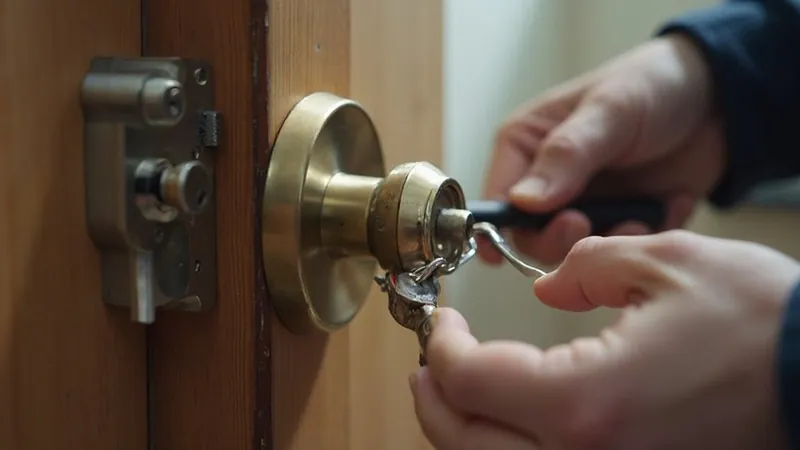
A lock that won't turn, a key that snaps inside, or a door that suddenly won't open—these moments feel urgent. But not every jammed lock needs to be drilled out. If you're renting in Germany, drilling might breach your Mietvertrag (tenancy agreement) and cost you your deposit. Even as a homeowner, drilling is destructive and often unnecessary. This guide helps you understand when drilling is truly the only option, and what to do instead.
The key difference: a locksmith has many non-destructive techniques before reaching for the drill. Understanding that can save your door, your wallet, and your relationship with your Vermieter.
When Drilling Is Genuinely Necessary
Drilling becomes the last resort when a lock is physically damaged beyond repair, the mechanism is completely jammed with debris or broken parts inside, or the key has snapped so far in that no extraction method will work. If the cylinder is cracked, the pins are seized after years of rust, or the lock has been deliberately forced, drilling may be unavoidable.
In Germany, most locks fitted to rental apartments (Mietwohnungen) use standard pin-tumbler mechanisms. If the lock is genuinely destroyed—not just stuck—a certified locksmith will explain why drilling is necessary and provide a written order form (Auftragsformular) detailing the work before starting.
- The lock cylinder is visibly cracked or shattered
- The key broke off deep inside and cannot be extracted
- The lock was forced or attacked and internal parts are damaged
- Rust or corrosion has fused internal components permanently
- The lock is so old that parts are no longer available or replaceable
When Drilling Is Not Necessary (And What Works Instead)
Most stuck locks can be opened without drilling. A key that won't turn might need gentle lubricant (never WD-40; locksmiths use specialist oil). A lock that feels jammed might have a bent key—the locksmith will try a tension pick or lever. A key broken near the surface can often be extracted with tweezers, a tiny hook, or specialist extraction tools. Even locks frozen by ice or dirt respond to patience and the right technique.
Renter in Germany? Your Vermieter can usually be contacted first, and they may cover the cost of a non-destructive opening through their Hausrat (household contents insurance) or they may call their own preferred locksmith. Check your Mietvertrag for who bears the cost of lockouts. If you call a locksmith independently, get a detailed quote and keep the receipt for insurance or negotiation with your landlord.
- Stuck key: specialist extraction, gentle removal, or lock manipulation
- Frozen lock: de-icer or gentle heat applied externally
- Bent key: try a new blank cut to the same code
- Key broken near the handle: tweezers or extraction hooks retrieve it
- Jammed mechanism: lubrication, picking, or bumping (non-destructive techniques)
- Lost key: the locksmith opens the lock, removes the cylinder, and fits a new one with new keys—no drilling needed
What Happens in Germany When You Drill a Lock
If you rent and you or an unauthorised person drills your apartment door lock, you may face deductions from your Kaution (deposit) when you move out. Your Vermieter is entitled to claim the cost of a replacement lock—which is usually higher than a non-destructive opening. In some cases, they may argue you damaged the property beyond normal wear, which can affect your entire deposit claim.
Landlords in Germany are required to maintain locks, but tenants are responsible for damage caused by negligence or misuse. Calling an unlicensed person or attempting DIY drilling is seen as misuse. Always document what happened, keep receipts from any locksmith, and inform your Vermieter in writing (email is fine) if a lock fails. Many disputes can be avoided by proving you acted reasonably.
- Drilling without the Vermieter's knowledge may void deposit claims
- You may be charged for a replacement lock (usually €80–200+ for an apartment)
- The locksmith's report becomes evidence if a dispute arises later
- Taking photos of the original lock's condition protects you
- Non-destructive opening is always the cheaper option upfront
How a Professional Locksmith Decides
A certified locksmith (in Germany, look for Schlüsseldienst with a local business registration and liability insurance) will assess the lock in person before deciding to drill. They will try non-destructive methods first: picking, bumping, tension techniques, and extraction. Only if those fail—and they explain why—will drilling become necessary. The whole process should take 10–30 minutes for a standard lock.
The locksmith should always give you a written estimate (Kostenvoranschlag) before starting work, especially if drilling is involved. In Germany, emergency locksmiths are regulated, but rates vary widely. A reputable locksmith will not pressure you to drill and will offer alternatives. If you're unsure, you can always call back and ask a second opinion—it costs nothing, and legitimate locksmiths understand this.
- Professional assessment takes a few minutes—the locksmith listens and feels the lock's behaviour
- Non-destructive techniques are always tried first
- A written order form is provided before any destructive work begins
- You receive a receipt and invoice for your insurance or Vermieter
- The locksmith's decision is documented; your deposit is protected
What You Should Do Right Now
If your lock is stuck or broken, do not force it, do not try to drill it yourself, and do not call an unregistered service. Take a photo of the lock and the door, note what happened and when, and contact a local certified locksmith. If you rent, also inform your Vermieter or Hausmeister (building manager) in writing—they may have a preferred contractor or insurance that covers it.
For urgent help, especially outside business hours or if you're unsure who to trust, our English-speaking hotline can connect you with a certified local locksmith who understands the rules around rental properties in Germany. They'll assess whether your lock truly needs drilling, explain your options clearly, and handle the paperwork so you're protected. Don't wait if you're locked out in bad weather or late at night—trained locksmiths are available, and they'll get you inside safely and legally.
Frequently asked
My key snapped in the lock. Does the locksmith have to drill?
Not usually. If part of the key is sticking out, the locksmith can extract it with special tools. If it's broken deep inside, they may try picking the lock open instead, or remove the cylinder without drilling the door. Drilling is a last resort.
I rent my apartment and my lock is jammed. Who should I call first?
Contact your Vermieter or Hausmeister first—they often have a preferred locksmith and the cost may be covered by their insurance. Inform them in writing (email is fine) and keep their response. This protects your deposit and shows you acted responsibly.
How much will it cost if the locksmith has to drill my lock?
Costs vary depending on the lock type and where you live in Germany, but the locksmith will provide a written estimate on site before starting. The cost is typically higher than non-destructive opening, so it's another reason to try safer methods first.
Can a locksmith open my door without damaging the lock?
Yes, in most cases. Picking, bumping, tension techniques, and extraction tools allow entry without drilling. A professional locksmith will try these first and only mention drilling if the lock is genuinely destroyed or the mechanism is beyond repair.
What if I drilled the lock myself to save money? Will my deposit be at risk?
Yes, likely. Your Vermieter can deduct the cost of a replacement lock from your deposit, and may argue you damaged the property. Always use a certified locksmith and keep the receipt—their report proves you acted reasonably and responsibly.
My lock is frozen after winter. Do I need it drilled?
No. A locksmith can use de-icer or gently apply external heat to thaw the mechanism. This is non-destructive and usually takes a few minutes. Avoid forcing the key, which can break it inside.