
Who Pays When You’re Locked Out — You or Your Landlord?
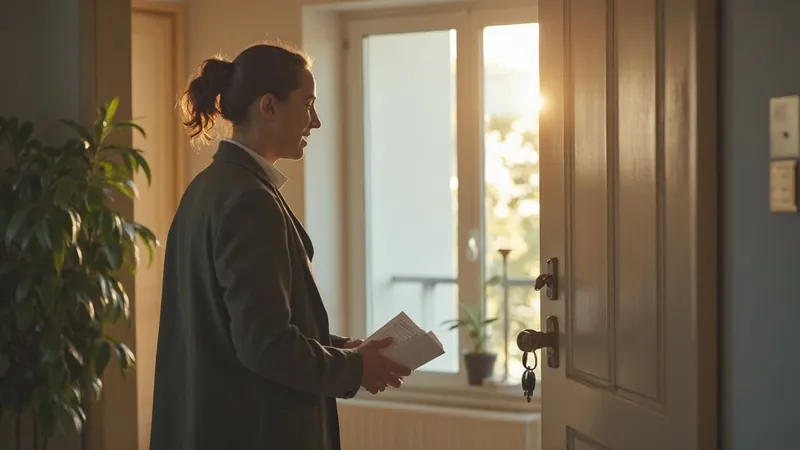
Getting locked out of your flat in Germany can be stressful, especially when you're an expat or international student unfamiliar with local tenant laws. One of your first questions will likely be: who actually pays for the locksmith? The answer depends on how you got locked out, what your lease says, and your landlord's obligations under German law.
Understanding where responsibility lies can save you money and help you act quickly without guilt or confusion. This guide explains the German rental system, your landlord's duties, and when you should expect to pay yourself.
Your Landlord's Responsibility for Access to Your Home
In Germany, your landlord (Vermieter) has a legal duty to ensure you can access and use your flat as agreed in your Mietvertrag (rental contract). This means maintaining the locks, keys, and general access to the property in working order. If a lock fails through normal wear and tear, or if you lose a key that the landlord should have replaced, the landlord is typically responsible for the cost of repair or a locksmith call-out.
The key principle is that you should not be prevented from using the flat due to the landlord's negligence or failure to maintain the building. German tenant law (BGB – Bürgerliches Gesetzbuch) protects you here. If your lock simply stopped working because it was old or faulty, your landlord should cover the locksmith fee.
- Landlord pays: lock failure due to age or poor maintenance
- Landlord pays: when you've lost a key that the landlord failed to replace promptly
- Landlord pays: damage to the lock caused by the building's condition or another tenant
When You Pay: Lockouts Caused by Your Own Actions
If you locked yourself out through your own carelessness—forgetting your key, leaving it inside, or locking yourself in—you are almost always responsible for the locksmith cost. German law and most rental contracts make this clear: your actions, your bill. This is considered a personal inconvenience rather than a maintenance issue, and the landlord has no obligation to bail you out.
Similarly, if you've lost your key and the landlord has already given you multiple replacements, you may be asked to cover the next locksmith visit. Some contracts specify a limit on free key replacements. Check your Mietvertrag to see if it mentions this.
- You pay: you forgot your key outside the flat
- You pay: you locked your key inside by accident
- You pay: you've lost keys multiple times and exceeded any contractual limit
- You pay: you damaged the lock yourself through misuse
Shared Doors and Communal Locks
Many German rental properties have shared entrance doors, stairwells, and communal areas. If you're locked out of the building's main entrance or a shared door, responsibility becomes more complex. If the lock is faulty or the Hausmeister (caretaker) failed to maintain it, the landlord should pay. If you lost the communal key, you often pay for the replacement or locksmith.
Talk to your Hausmeister or landlord immediately if you're stuck outside the building. In many cases, they can let you in without needing a locksmith. If they can't, ask them to contact the locksmith so the cost goes directly to the landlord if it's their responsibility. Never call a locksmith yourself first without clarifying who will pay—you might end up in a dispute later.
German buildings often have electronic entry systems or key fobs. If the system fails, that's the landlord's problem. If you've lost your fob or code, check your contract about whether replacement costs fall on you.
Your Insurance and Lockout Costs
Before you pay a locksmith bill yourself, check whether your Hausrat (household contents insurance) or Haftpflicht (liability insurance) covers locksmith call-outs. Many expat insurance policies in Germany do include this, and some cover it for both accidental lockouts and break-ins. A quick call to your insurance company can save you a significant amount.
If you're renting, your landlord's buildings insurance (Gebäudeversicherung) covers the building's structure but not your personal lockout. Your own personal insurance is what would help here. Keep receipts from any locksmith visit so you can claim it later if your policy covers it.
Always ask the locksmith for an itemised receipt and a written order form before they work on your lock. This protects you if there's a later dispute about cost or responsibility.
What to Do Right Now If You're Locked Out
First, take a breath. Assess how you got locked out and whether it's clearly your fault or a maintenance issue. If it's your mistake, you'll likely need to arrange and pay for the locksmith yourself. If it might be the landlord's responsibility, contact them first to explain the situation and ask them to arrange (and pay for) the call-out.
Do not wait hours hoping it will resolve. A locksmith can usually reach you within 30 to 60 minutes in German cities. If you can't reach your landlord or Hausmeister and you need access urgently—for example, to collect medication, documents, or keys for a journey—call a certified locksmith directly. Document everything: the time, the reason, who you tried to contact, and the final cost.
When a locksmith arrives, ask them upfront whether they'll bill you directly or if you can arrange for the landlord to pay. Explain the situation. Most reputable locksmiths are familiar with landlord disputes and will document the job clearly so there's no confusion later.
If you need help finding an English-speaking locksmith who understands the German rental system and can guide you through responsibility questions, contact our hotline. We connect you with certified local professionals who can reach you quickly and advise you on costs and who should pay before any work begins.
Frequently asked
My lock broke on its own—do I have to pay the locksmith?
No, in most cases your landlord should cover this. Locks are part of the building's structure and must be maintained by the landlord under German law. Contact your landlord immediately and ask them to arrange the locksmith. Keep records of when you reported it.
I locked my keys inside—is this my responsibility?
Yes, almost always. This is considered your own mistake, not a maintenance issue. You will need to pay the locksmith to get back in. This is true even if the lock itself is working perfectly.
What if my landlord refuses to pay when the lock was faulty?
Keep your locksmith receipt and any written evidence that the lock was faulty (a mechanic's report, photos, or the locksmith's note). Document your attempts to contact the landlord. In many cases, you can deduct this cost from your rent (Mietminderung), but consult a German tenant rights organisation (like Mieterbund) or a lawyer for your specific situation before doing so.
Does my renters' insurance cover locksmith costs?
Many expat and international insurance policies do cover accidental lockouts. Check your policy document or call your insurance company before paying the locksmith bill. If covered, you may be able to claim it back even if you paid out of pocket.
The Hausmeister let me in for free—should I still call a locksmith?
Only if the lock is damaged or not working properly. If the Hausmeister simply opened the door for you and the lock is fine, you don't need a locksmith. But if the lock won't lock or turn the key, ask the Hausmeister to report it to the landlord so it gets fixed before you get locked out again.
I'm locked out and can't reach my landlord—what should I do?
If you need urgent access (for medical, work, or safety reasons) and can't reach the landlord or Hausmeister, call a locksmith now. Document the time, your attempts to reach the landlord, and the reason for urgency. You can sort out payment responsibility afterwards. Our hotline can connect you with a certified English-speaking locksmith who understands German rental law and can help clarify the situation.