
Why There’s No Fixed Price for a Locksmith
If you've searched for locksmith prices in Germany, you've probably noticed there's no simple answer. Unlike a coffee shop or supermarket, a locksmith's work varies enormously—and so does what you pay. This guide explains why prices aren't fixed, how locksmiths calculate their fees, and what you should expect when you call for help.
Understanding this now will save you stress (and money) if you're ever locked out of your flat, office, or car.
Why Locksmith Costs Vary So Much
A locksmith's price depends on factors that change from job to job. Unlike a haircut or dental cleaning, no two calls are identical. Consider what goes into a typical job:
- Type of lock: A simple cylinder lock on an apartment door costs less to open than a modern electronic smart lock or a security system.
- Damage to the door or frame: If you're locked out and the door must be forced, the locksmith may need to repair or replace parts of the frame—or fit a new lock altogether.
- Time taken: Some locks open in five minutes. Others require careful, non-destructive techniques that take an hour.
- Time of call: A locksmith arriving at 3 p.m. on a Tuesday charges differently from one called at midnight on a Saturday. Emergency or out-of-hours work is more expensive.
- Your location: A call-out to central Munich or Berlin may include higher travel time than a nearby suburb.
- Special tools or expertise: Vintage locks, security doors, or safes require specialist equipment and training.
Because every situation is genuinely different, a certified locksmith cannot quote you a price over the phone. They need to see the lock, assess the damage (if any), and understand what you need—opening only, or also fitting a new lock, for example.
How Locksmiths in Germany Calculate Fees
German locksmiths typically charge in three parts: a call-out fee (Anfahrtsgebühr), a labour rate, and parts. Some locksmiths use an hourly rate; others price by the job. All of this is legal and standard.
- Call-out fee: You're charged for the locksmith to travel to you—this covers fuel and time. It's payable whether the job takes ten minutes or an hour.
- Labour: The actual work is usually charged hourly or as a fixed rate for the task (opening a door, fitting a new lock, etc.).
- Parts and materials: If a new lock, cylinder, or other components are needed, you pay the locksmith's cost plus a markup. These prices vary by supplier and product quality.
- Transparency requirement: German law (and professional standards) mean the locksmith must explain costs before starting work. They typically present a written estimate (Kostenvoranschlag) on site, not over the phone.
The locksmith will show you exactly what they're charging for and give you the chance to accept or refuse before they proceed. If you want a new lock fitted, they'll tell you the cost. If you only want the door opened, that's a different price. You're in control.
What You Should Expect When You Call
When you contact an English-speaking locksmith service in Germany, here's what happens:
- Initial information: You describe the problem—locked out, lost keys, jammed lock, etc. The service takes your address and preferred arrival time.
- No phone quote: The locksmith will not give you a fixed price on the call. They'll explain that costs depend on what they find on site.
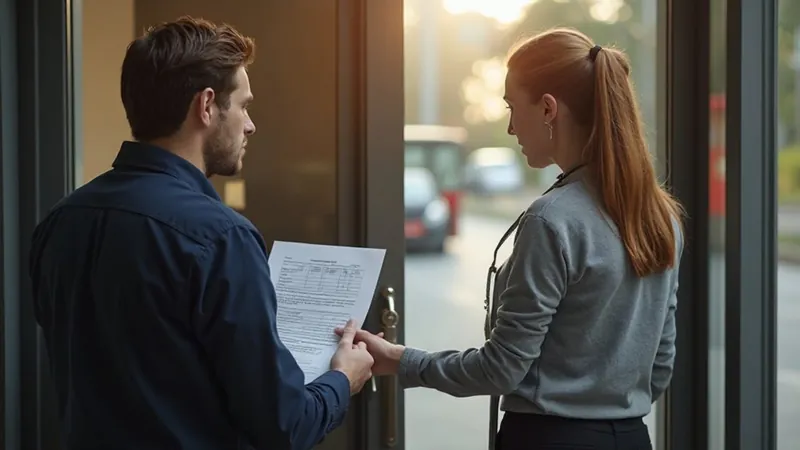
- Written breakdown on arrival: When the locksmith reaches you, they inspect the lock and door, then explain the work and costs clearly, often in writing. You see it before they start.
- Payment after completion: Most locksmiths expect payment once the work is finished—usually in cash or by card, depending on their policy.
This protects both you and the locksmith. It prevents misunderstandings and ensures you know exactly what you're paying for. If you're unhappy with the estimate, you can refuse and seek another opinion (though you may be charged a small call-out fee).
How to Avoid Overcharging and Scams
Sadly, not every locksmith operates fairly. Here's how to protect yourself:
- Use a referral service: Platforms like Locksmith 24 connect you with certified, vetted locksmiths who follow German professional standards. Your call goes to an English-speaking hotline, not directly to an unknown number.
- Ask for credentials: A legitimate locksmith is registered with the local chamber of trades (Handwerkskammer) and can show proof of insurance and training.
- Get it in writing: Always ask the locksmith to put the estimate and final invoice in writing before paying. Don't accept vague verbal quotes.
- Know the norms: If a locksmith quotes you several hundred euros for a simple door opening on a weekday afternoon, that's suspicious. Legitimate costs are typically €80–200+ for a call-out and opening, depending on lock type and location.
- Check your insurance: In many cases, your household contents insurance (Hausratversicherung) or liability cover (Haftpflichtversicherung) may reimburse a locksmith call if it's not your fault—check your policy.
- Keep documentation: Save the invoice. It's proof of what you paid and what was done, useful if you need to claim insurance or dispute charges later.
Why Fixed Pricing Isn't Fair to You
Some businesses advertise fixed locksmith prices, which sounds reassuring. But it often isn't fair. Here's why:
A locksmith with genuinely fixed prices either inflates them to cover all scenarios (so you overpay for simple jobs) or they rush through complex work to stay profitable (compromising quality). The middle ground is transparent, on-site pricing that reflects the actual work.
In Germany, professional locksmiths are bound by the principle of Transparenzpflicht—an obligation to be transparent about costs. They must explain what they're charging and why. This is your protection.
The upside: you only pay for what you actually receive, and there are no surprises hidden in small print. The downside: you don't have a price until they arrive. If you need certainty and urgency, using a referral hotline like Locksmith 24 helps. Our English-speaking team can answer your questions and connect you with a nearby, vetted locksmith quickly. They'll give you a fair estimate on site and stick to it.
If you're locked out or facing a security issue right now, don't delay. Call our English-speaking hotline for immediate help connecting you with a certified local locksmith.
Frequently asked
Can a locksmith quote me a price over the phone?
No—not legally or fairly. They need to see the lock and assess any damage first. A phone quote is usually inaccurate and can lead to disputes. Reputable locksmiths always inspect on site and provide a written estimate before starting work.
Will my rental insurance cover a locksmith call?
Often, yes—but it depends on your policy and the reason for the call. Household contents (Hausratversicherung) and liability (Haftpflichtversicherung) sometimes reimburse emergency locksmith fees. Check your Mietvertrag and insurance documents, or ask your provider directly.
What's a fair price for a locksmith in Germany?
Typical call-out fees range from €50–120, plus labour (€80–200+), depending on time of day, location, and lock type. Emergency calls at night or weekends are more. Always get a written estimate before agreeing to work.
Is it cheaper to call a locksmith at certain times?
Yes. Calling during business hours (Mon–Fri, 8 a.m.–6 p.m.) is usually cheaper than late evening, weekends, or public holidays, when emergency rates apply. Plan ahead if you can.
What happens if I disagree with the locksmith's price on site?
You can refuse the work—though you may still owe a call-out fee (usually €30–50). It's your right. Get the estimate in writing, then decide. Using a referral service helps ensure the locksmith is fair and professional.
Why shouldn't I just call the cheapest locksmith I find online?
Cheap ads can hide scams or inexperienced locksmiths who cause more damage than necessary. A referral service like Locksmith 24 vets locksmiths for you, ensuring they're certified and trustworthy. It's worth the peace of mind.